Horses and people across three countries
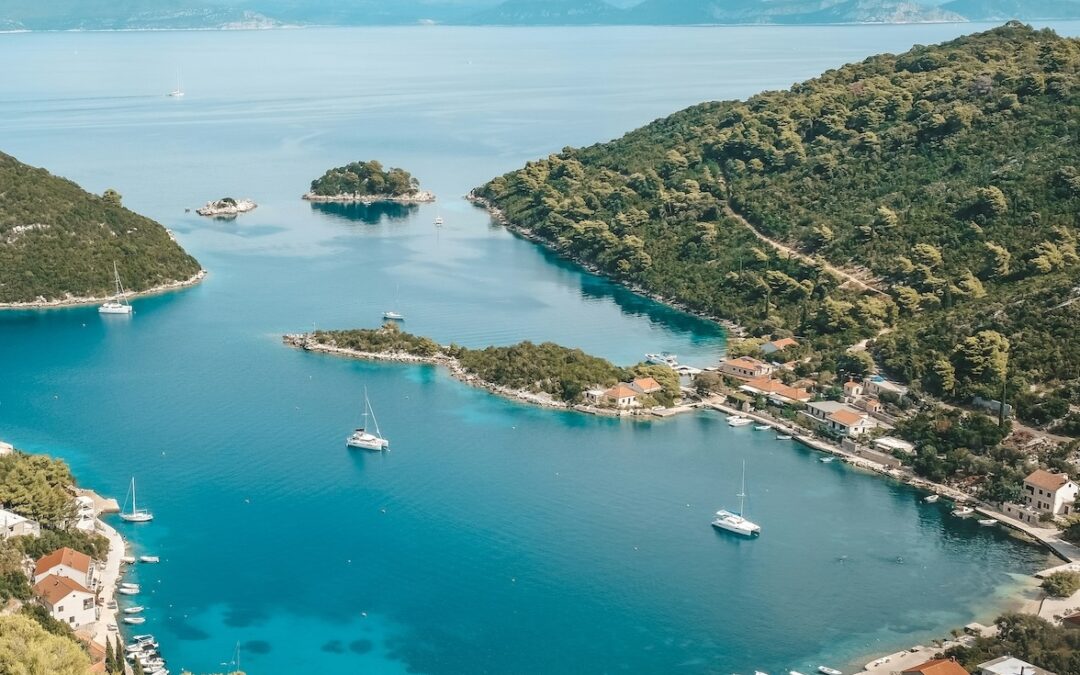
Before meeting the people whose lives have been shaped by horses, over the coming days, it’s worth pausing to look at the many ways these remarkable animals remain woven into the landscapes, traditions and everyday rhythms of Croatia, Slovenia and Montenegro.
Some stories begin on historic parade grounds. Others unfold along mountain trails, in quiet villages or across open pastures where horses have been part of daily life for generations. Together, they reveal a region where the bond between horse and human is still very much alive.
Slovenia: Where the Lipizzaner Still Calls Home
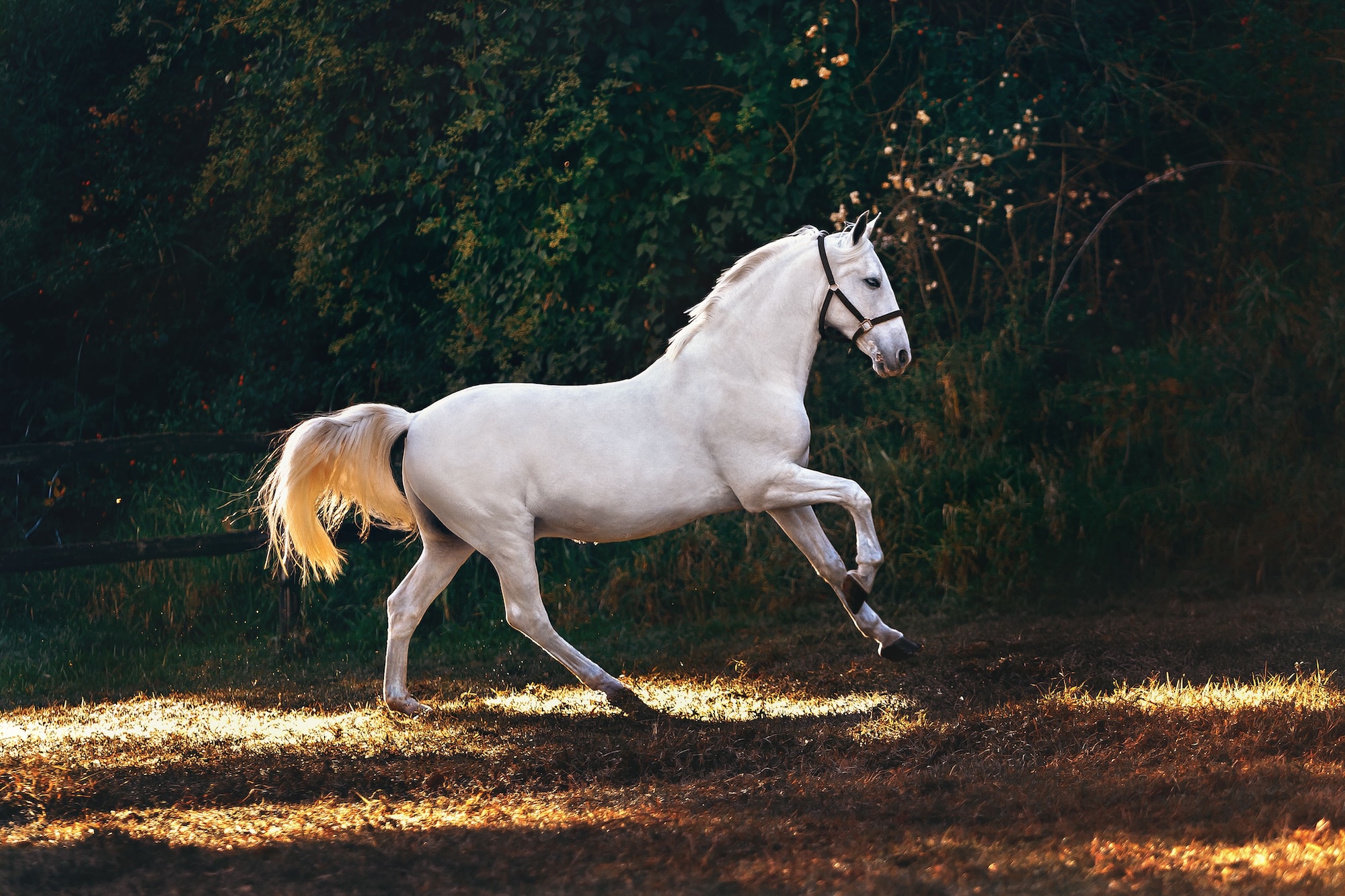
Few places are more closely connected with horses as Lipica. For more than four centuries, the Lipica Stud Farm has been home to the Lipizzaner, a breed whose story is inseparable from Slovenia. White horses graze peacefully across the pastures, foals stay close to their mares, and the steady pace of hooves echoes through the estate as riders continue a tradition that has been preserved since 1580.
A walk through the estate leads from centuries-old stables to the elegant performances of the Lipica Riding School. Horse-drawn carriages still pass beneath the old tree avenues, while beyond the estate the Karst landscape opens into forests, grasslands and quiet villages best explored from the saddle.
Beyond Lipica, horses continue to shape the Slovenian countryside in quieter ways. Family-run stables and local riding centres invite visitors to discover forests, vineyards and alpine meadows from the saddle, offering a slower perspective on Slovenian landscapes.
Croatia: Traditions Carried on Horseback
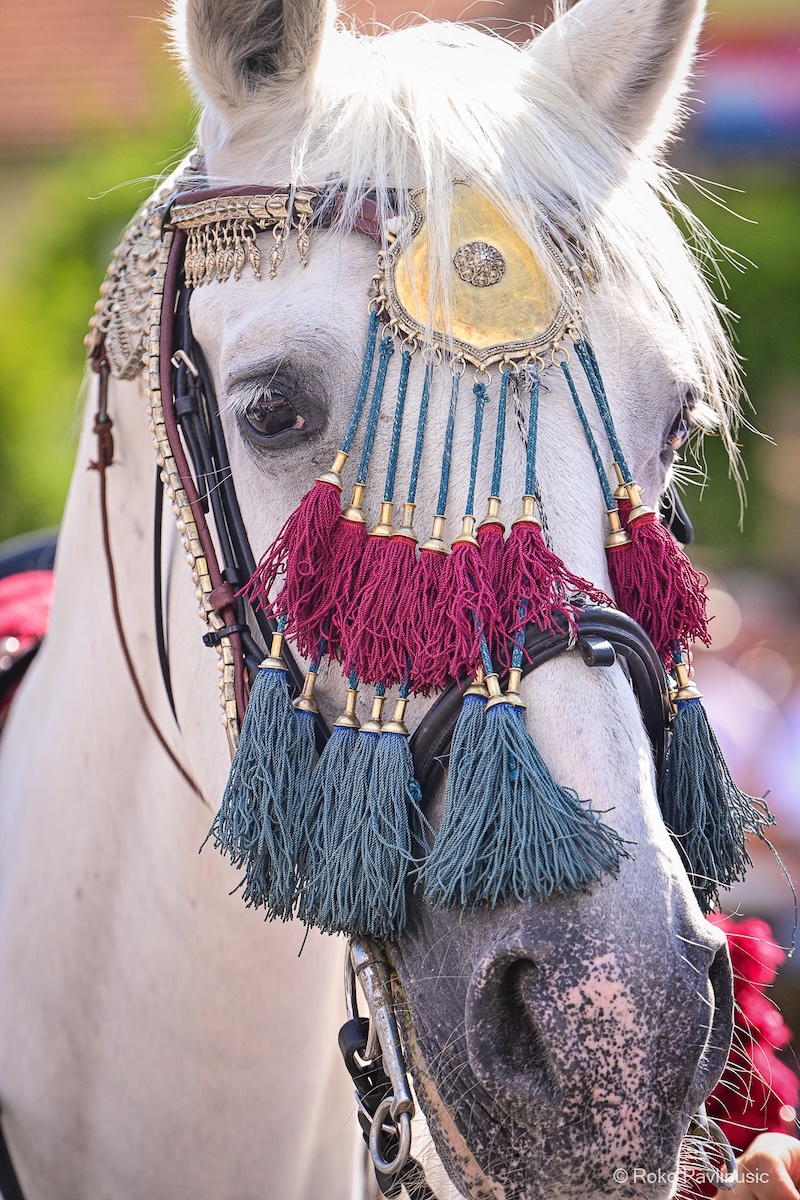
Across Croatia, horses tell many different stories. In the wide open plains of Slavonia, they have long been part of everyday life. The State Stud Farm in Đakovo continues centuries of Lipizzaner breeding, while the traditional Carnival Riding celebrations bring riders in traditional dress from village to village, welcomed with music and local hospitality.
Further south, horses become symbols of identity and tradition. Every August, the Sinjska Alka transforms the streets of Sinj into a living stage where history, skill and community come together in one of Croatia’s most treasured cultural events. In Istria, the Trka na Prstenac celebrates another historic equestrian competition, reminding visitors that horses have long been part of Croatia’s cultural story.
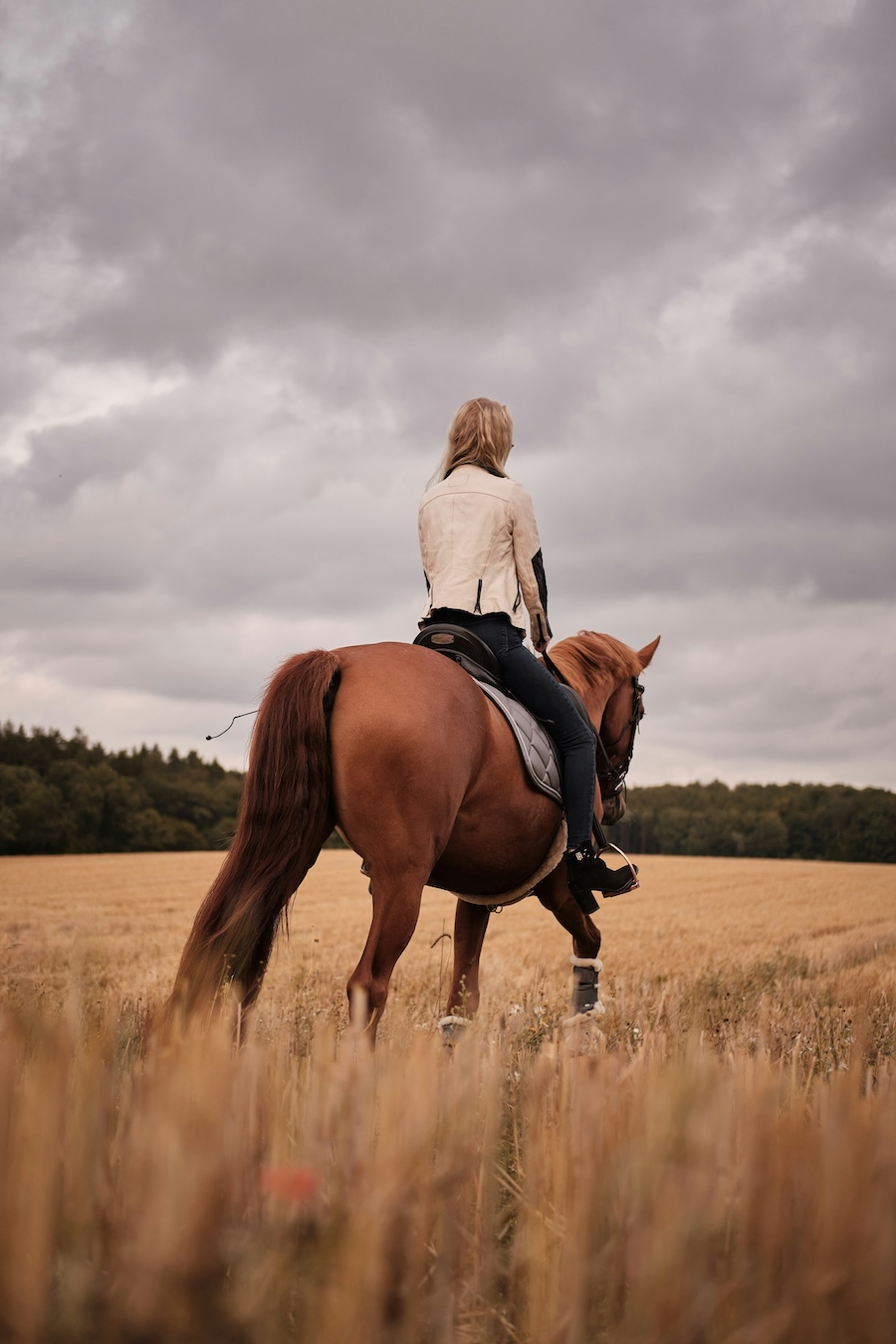
Elsewhere, horses offer a quieter way to experience Croatia itself. Forest trails near Zagreb, open landscapes around Plitvice Lakes and coastal paths overlooking the Adriatic invite travellers to slow their pace and discover the country from a different perspective.
Montenegro: Where the Mountains Set the Pace
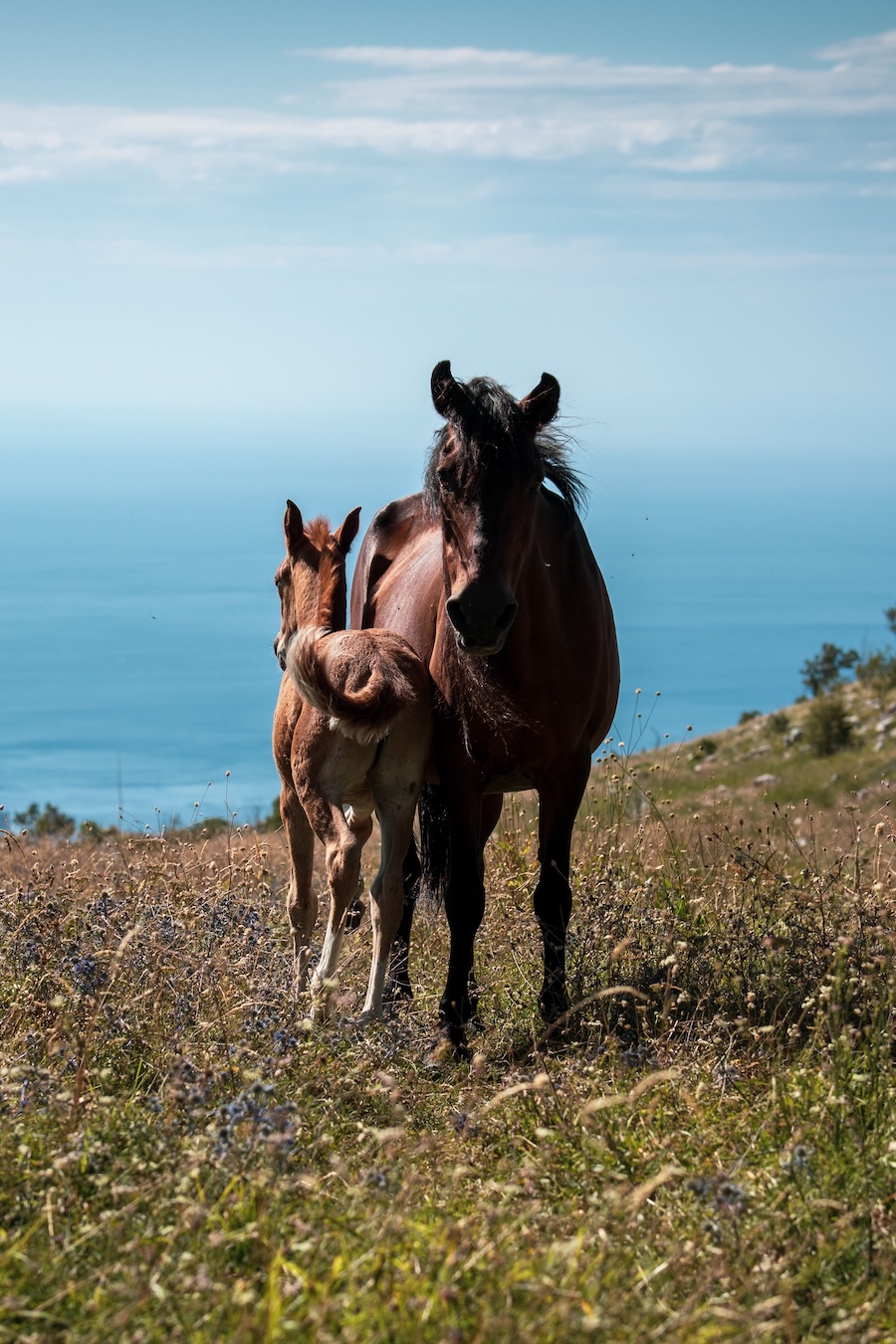
Long before travellers discovered the country’s northern highlands, horses carried timber, grain and supplies between villages connected by little more than narrow mountain paths. Today, many of those same trails lead through the landscapes of Durmitor, Bjelasica, Sinjajevina and Piva, where forests, glacial lakes and wide-open plateaus stretch towards the horizon.
Many journeys begin in small mountain lodges and eco-villages, where mornings are quiet and life still follows the rhythm of the seasons. Riding here is less about covering distance and more about experiencing a landscape that asks you to pause, observe, be present and experience quite side of Montenegro.
More Than a Journey
Across Croatia, Slovenia and Montenegro, horses continue to connect people with place. They are part of family traditions, cultural celebrations and everyday life.
They carry history, preserve craftsmanship and remind us that some of the most meaningful journeys are measured not by how far we travel, but by how deeply we connect with the places and people we encounter along the way.
If Following Horse Steps has inspired your next journey, Journey2Croatia can help you experience Croatia, Slovenia and Montenegro for yourself.