Some traditions are preserved in museums, others continue to live through the people who practise them every day…
In Montenegro, you don’t have to look far to find them. They can be heard in the sound of the gusle, or experienced around a family table where guests are welcomed as though they’ve been expected all along.
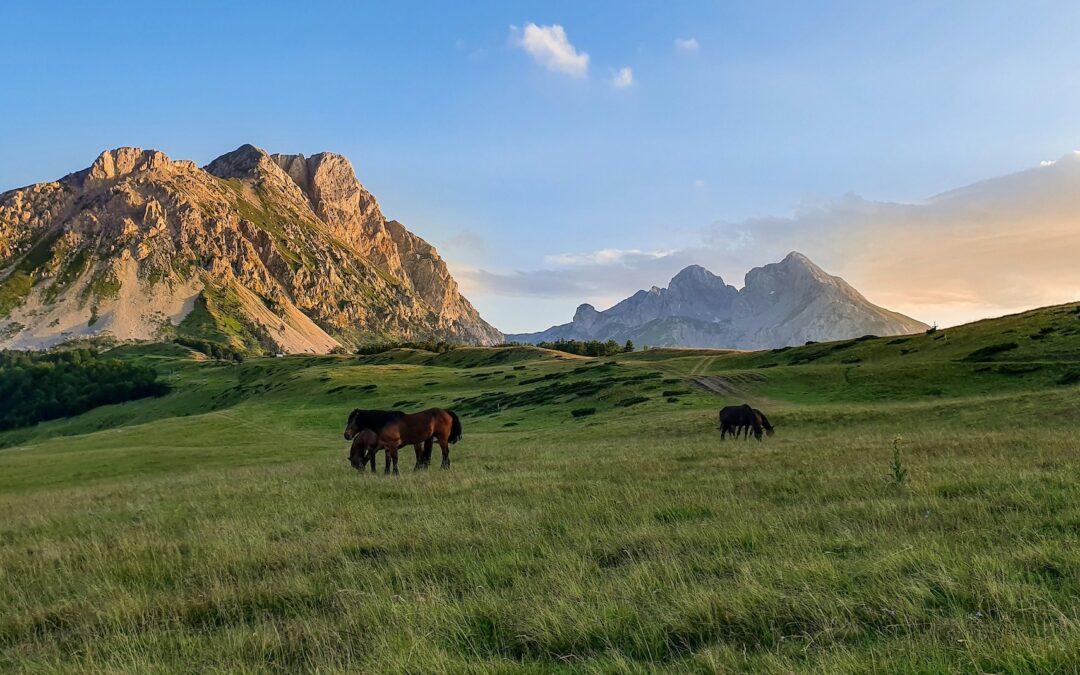
Before we came to know Montenegro through its people, we knew it through its landscapes. Montenegro is often remembered for its dramatic coastline, medieval towns and rugged mountain landscapes. Yet beyond the places themselves lies another side of the country, one shaped by the people who have carried its traditions through centuries of change.
Standing at the meeting point of different cultures and influences, Montenegro has gradually formed an identity that reflects them all. Rather than replacing one another, these influences became part of everyday life, leaving behind customs, celebrations and skills that remain part of the country’s culture today.
Some survive in the sound of an old instrument. Others in the rhythm of a dance, the careful hands of a craftsman or the way a family always finds room for one more guest. Together, they reveal that Montenegro’s greatest heritage has never been found only in its monuments, but in the people who continue to give them meaning.
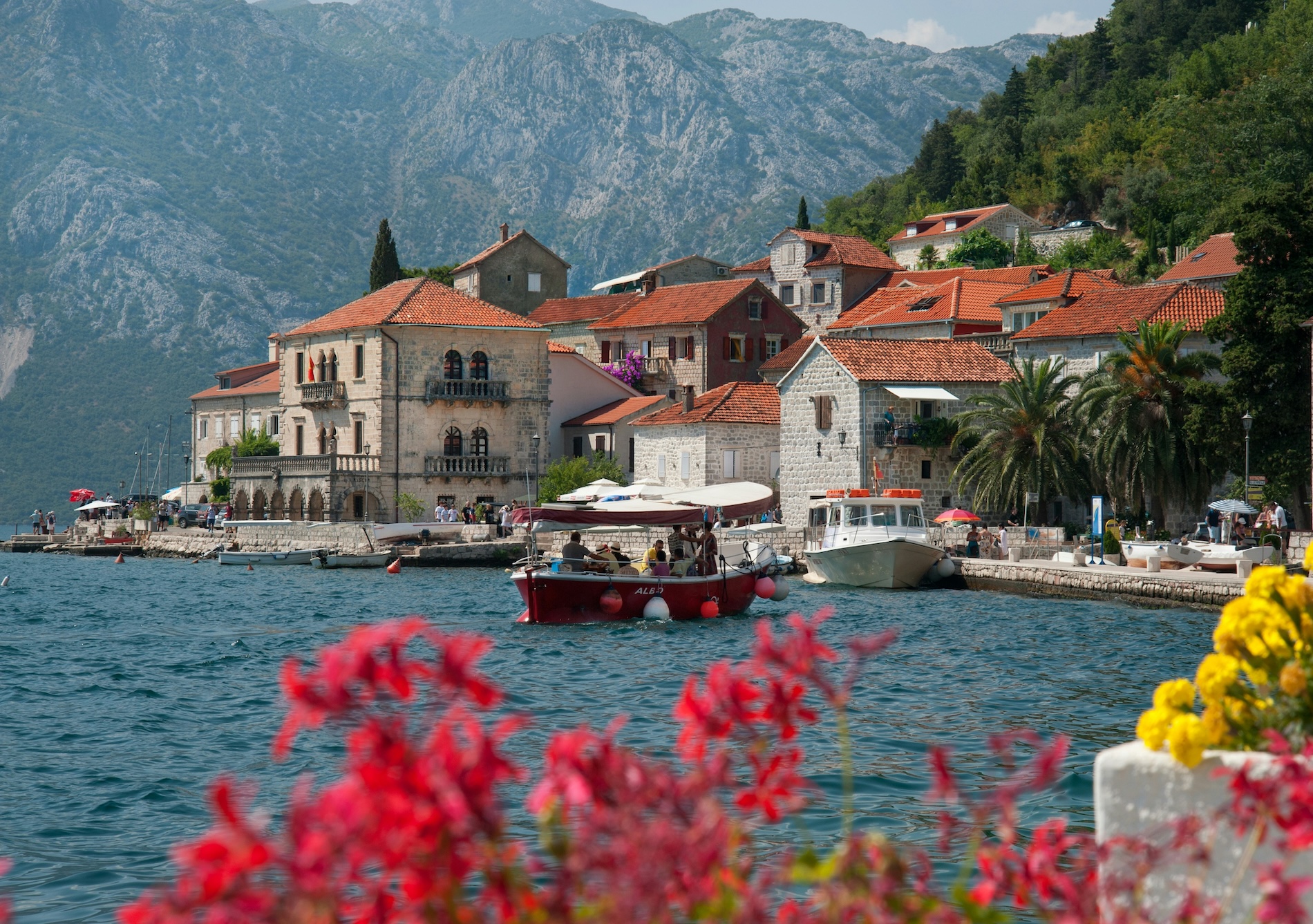
Stories are shared
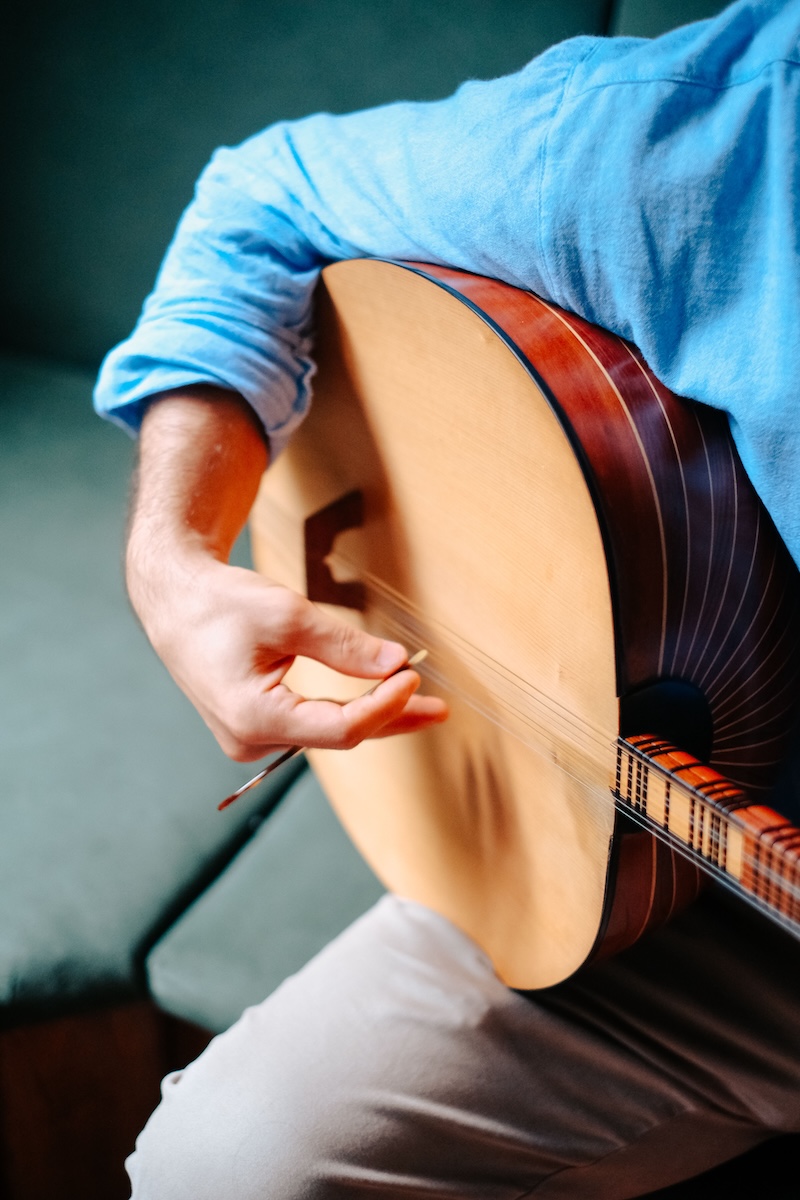
Long before history found its place in books, it lived through the stories people chose to remember and pass on. In Montenegro, storytelling has long been accompanied by the Gusle, a traditional single-stringed instrument played as epic singers recite or sing verses about historical events, legendary heroes and the values that shaped generations.
The sound of the Gusle fills the room long before the first verse begins, these performances became a way of preserving memory, allowing stories to outlive the people who first told them. Today, the sound of the Gusle can still be heard during traditional performances and cultural gatherings, where epic songs continue to keep centuries of stories alive.
Although the world around it has changed, this tradition reminds us that culture is not preserved only in monuments or museums. It also lives in the voices that continue to share these stories, ensuring they remain part of Montenegro’s cultural identity.
Traditions that bring people together
Not every tradition is carried through stories. Some are experienced by being part of them. Across Montenegro, celebrations have long brought communities together, marking important moments throughout the year while preserving customs that have been shared for generations.
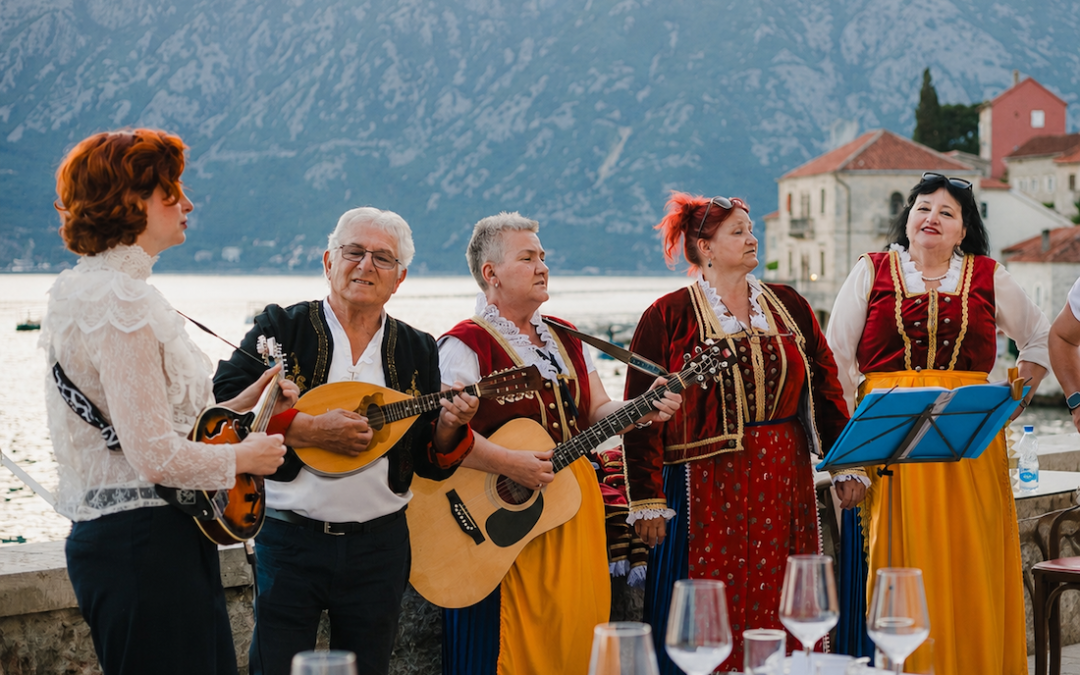
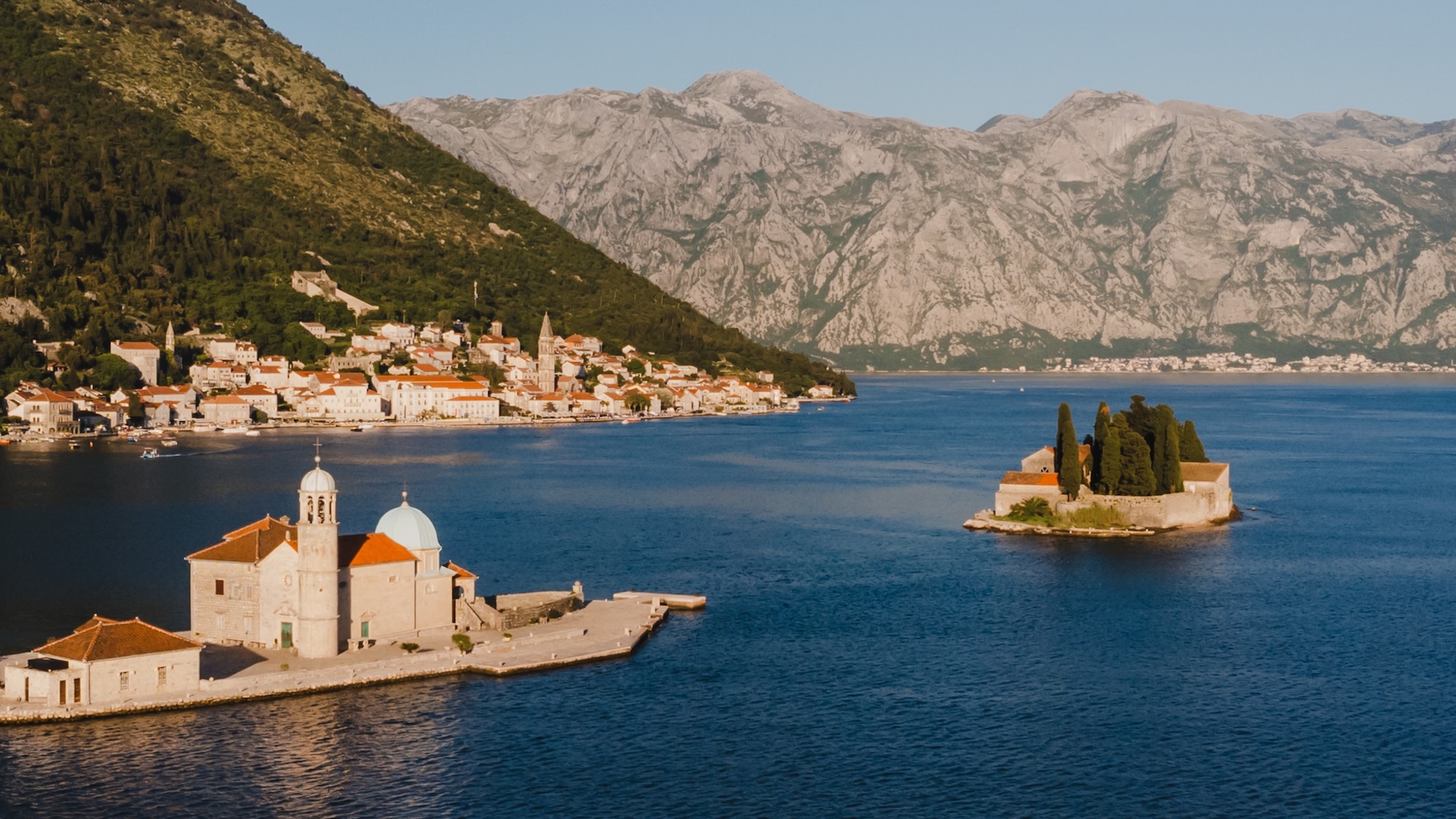
Whether honouring local patron saints, celebrating the changing seasons or remembering events from the past, these gatherings remain an important part of everyday life. Every July, decorated boats gather in the Bay of Kotor before making their way to the islet of Our Lady of the Rocks. There, stones are cast into the sea as part of Fašinada, a centuries-old tradition in Perast inspired by local legend.
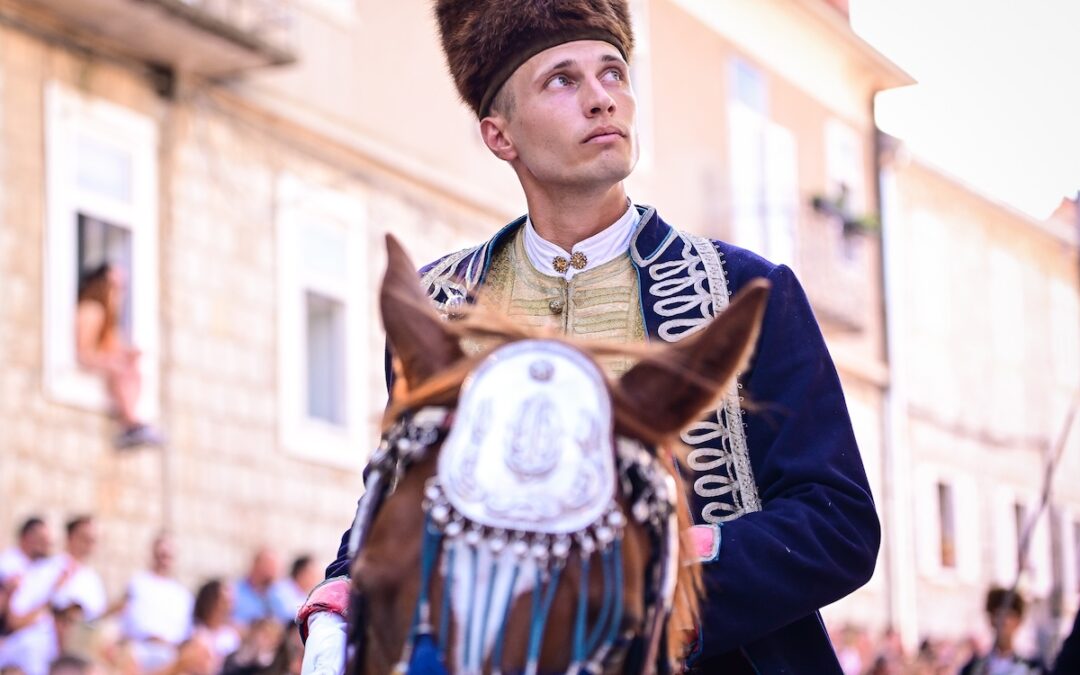
In other parts of the country, the oro, Montenegro’s traditional circle dance, brings people of all ages together through music and movement, turning celebration into a shared experience. Although each region has its own customs, they all reflect the same idea: traditions are strongest when they are experienced together.
Craftsmanship passed through generations
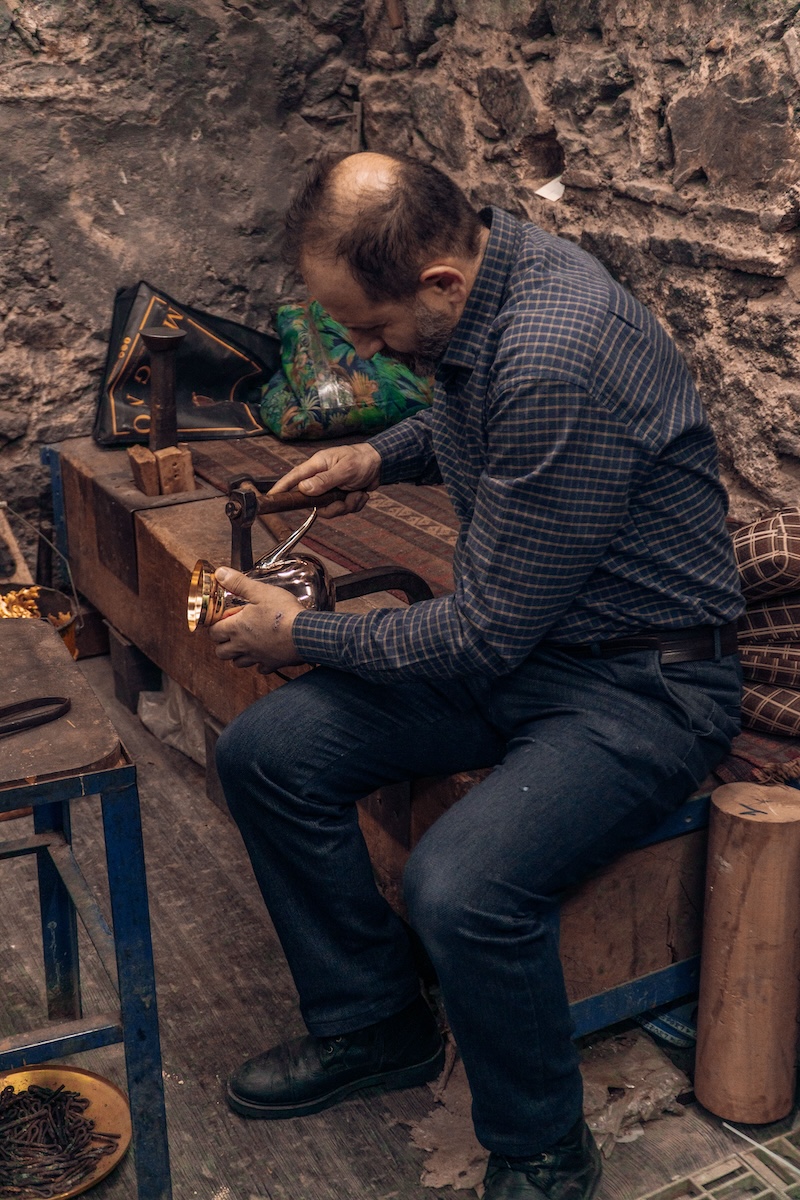
Not every tradition is celebrated in a town square or accompanied by music. Some are passed from one generation to the next, through knowledge and hands that continue to shape, build and create.
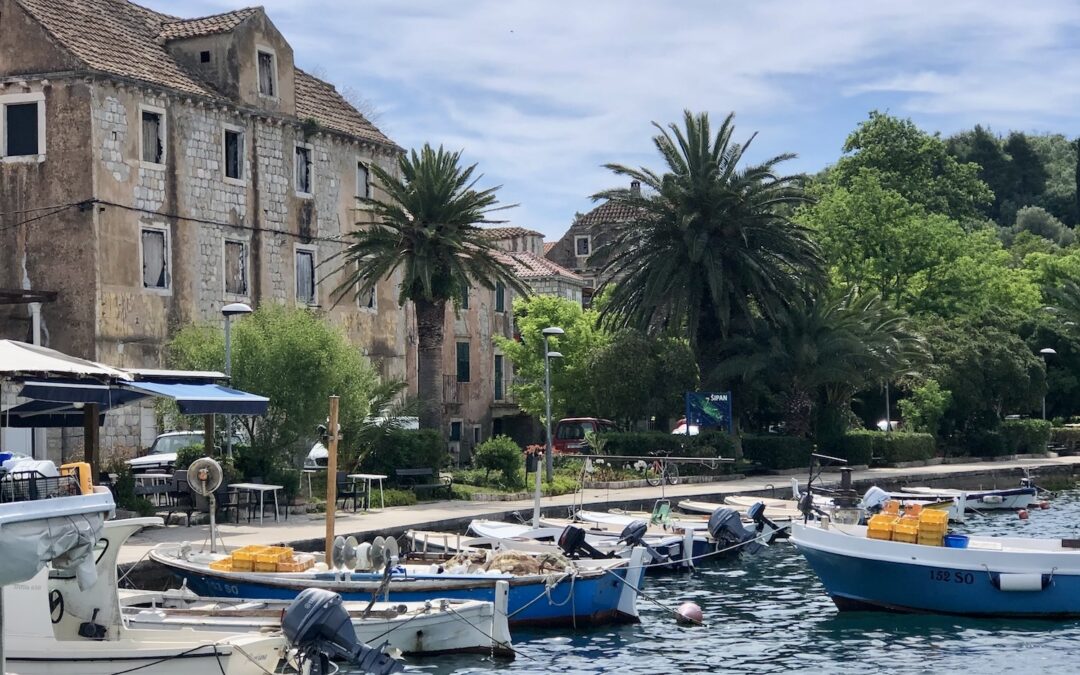
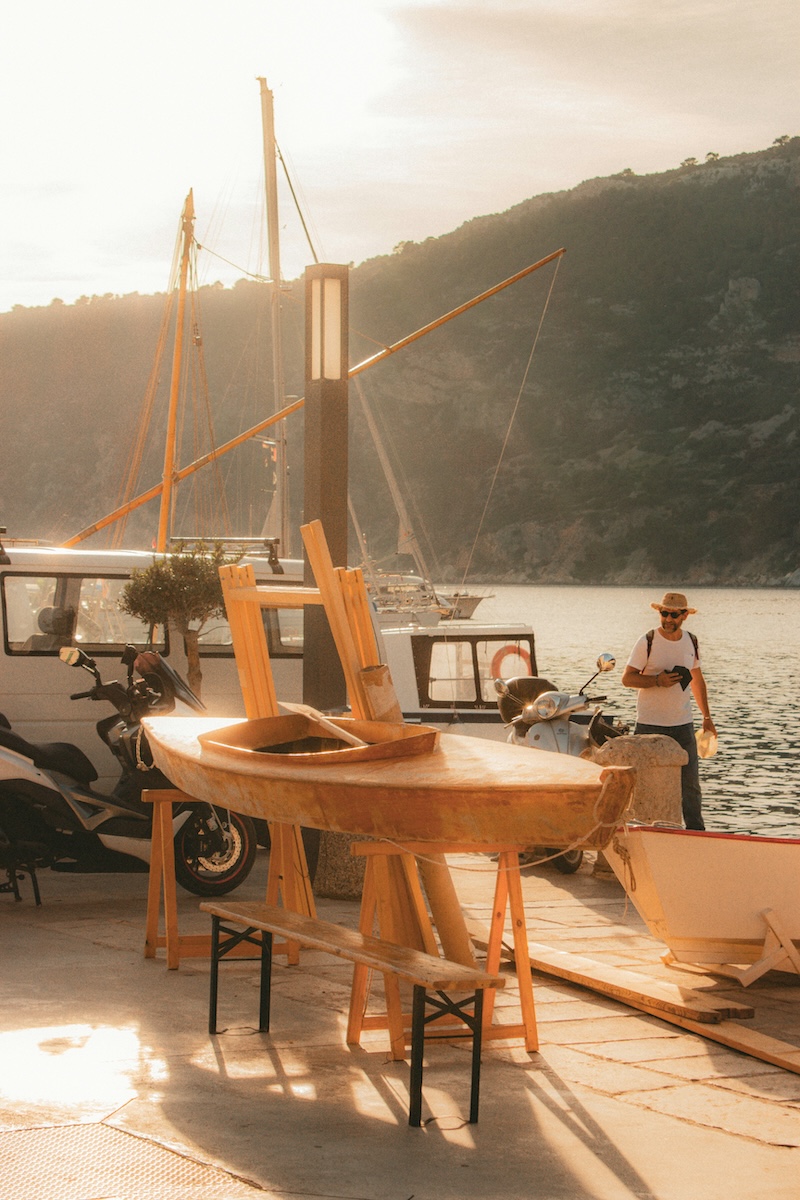
Along Montenegro’s coastline, the craft of wooden boat building has been preserved for generations. These boats were once essential for everyday life at sea, and in some workshops they are still built using traditional techniques, reflecting skills refined over centuries.
In the country’s old towns and villages, another tradition has left its mark in stone. From houses and churches to narrow streets and town walls, generations of stonemasons shaped the landscapes that continue to define places such as Kotor, Perast and Budva today.
Traditional costumes and embroidery tell a different story. Carefully woven fabrics, silk, gold thread and distinctive regional patterns have long marked important celebrations and family occasions, preserving details that continue to reflect Montenegro’s cultural identity.
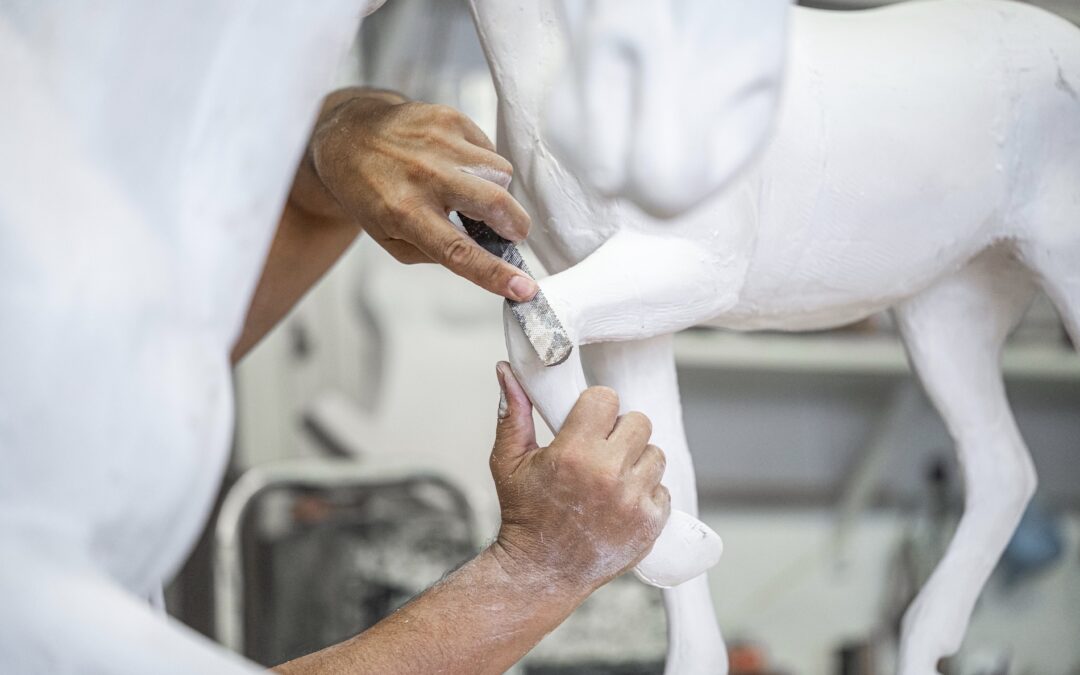
Each of these crafts represents more than technical skill. They preserve knowledge, patience and traditions that remain part of everyday life because they continue to be practised, shared and valued across generations.
Values that endure
Beyond its traditions, Montenegro is also shaped by values that have been passed from one generation to the next. It rarely takes long before someone offers you coffee. Welcoming guests with food, a drink and time to sit together is more than a gesture of kindness; it reflects a tradition of generosity that has long been part of everyday life.
Whether in a coastal town, a mountain village or a family home, visitors are often invited to slow down and share in moments that matter as much as the places themselves. Family also remains at the heart of many traditions.
Gatherings, celebrations and seasonal customs continue to bring generations together, strengthening the relationships that have long shaped everyday life across the country. Although customs vary from one region to another, the values behind them remain much the same. They reveal a culture shaped by the people who continue to live it every day.
A living heritage
Perhaps the most meaningful traditions are not the ones we admire from a distance, but the ones we are invited to experience. They can be heard in the sound of the gusle, seen in the steady hands of a boatbuilder, felt in the rhythm of the oro, or discovered around a family table where there is always room for one more guest.
These are the moments that reveal Montenegro beyond its landscapes. They remind us that the true character of a place is shaped not only by what has endured, but by the people who continue to live it, share it and pass it on.
In our next story, we’ll discover Montenegro through the eyes of two people who call it home, exploring the traditions, culture and everyday life that continue to shape the country.