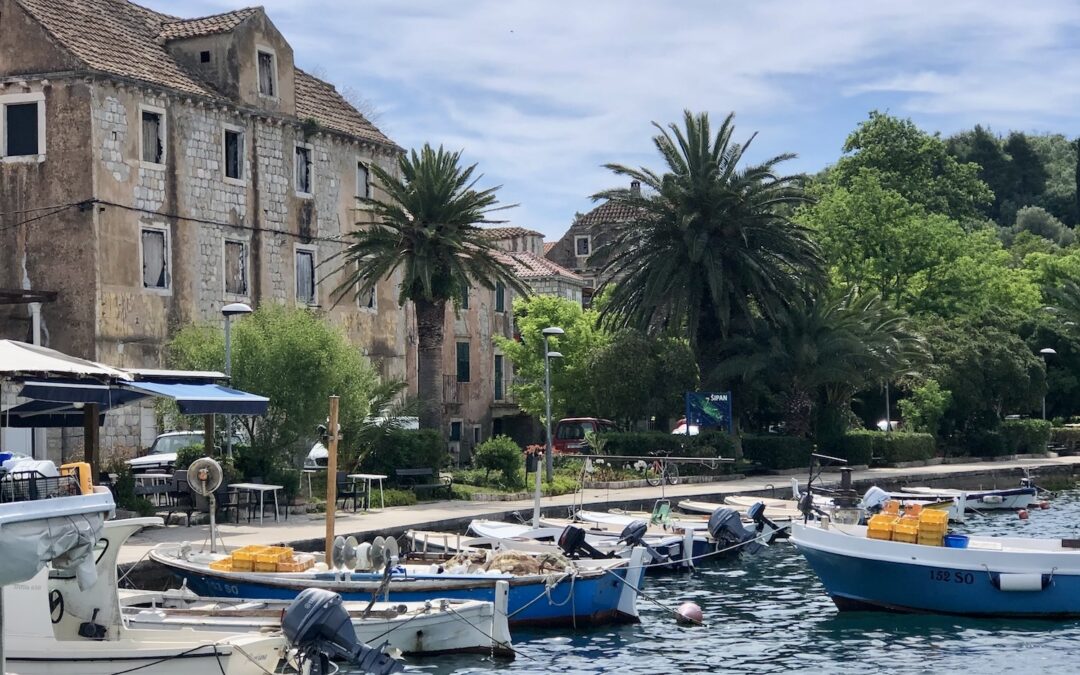
Some places are best understood through the people who call them home…
In our previous story we explored some of the traditions that continue to shape Montenegro, from the sound of the gusle and centuries-old craftsmanship to family gatherings and the hospitality that remains part of everyday life. But traditions are only part of the story.
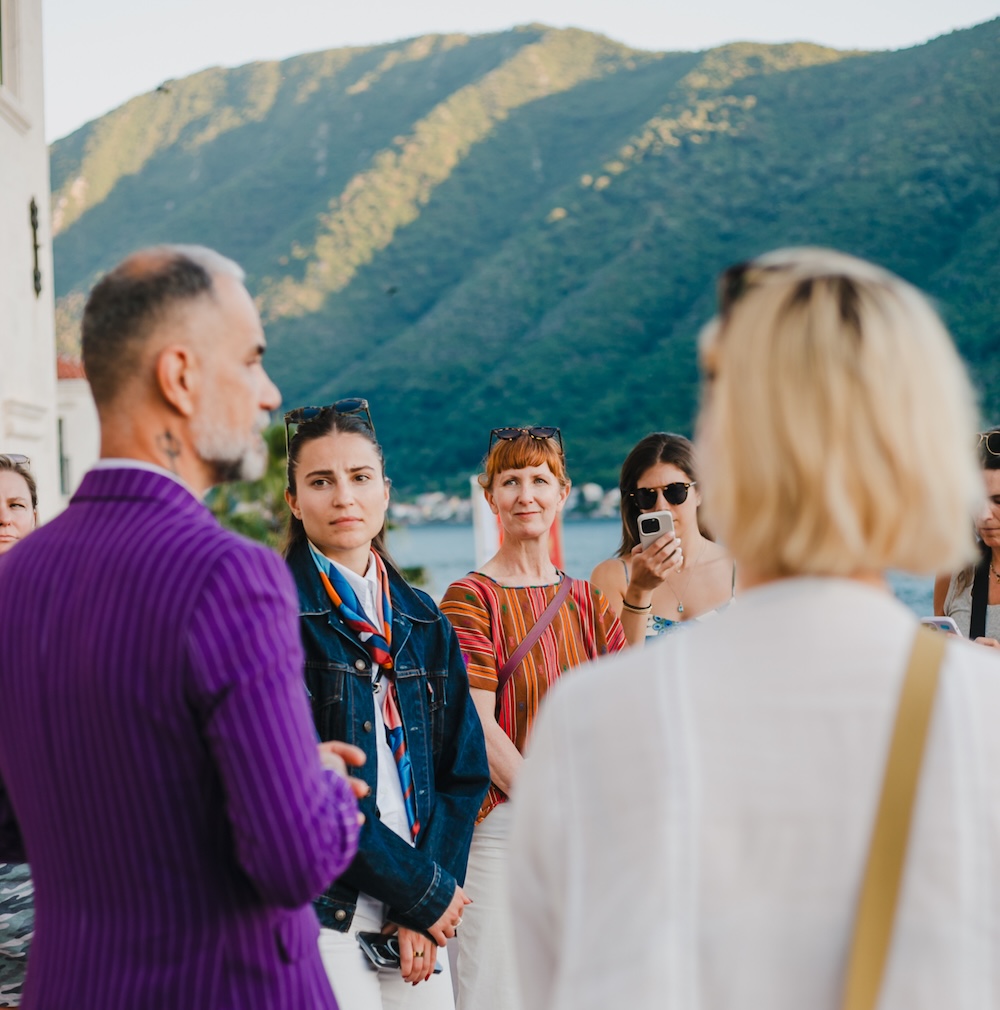
To understand a place more deeply, we often turn to the people who have spent their lives within it. For this story, we turned to two people whose professional and personal lives have long been connected to Montenegro. Marina Radjenović and Marko Pribilović have spent decades in hospitality and today lead Heritage Grand Perast as General Manager and Assistant General Manager.
Their careers have taken them through some of Montenegro’s most respected hotels and destinations, but their connection to the country extends far beyond their professional roles. They know Montenegro not only as hospitality professionals, but as home. Both have spent decades in Montenegrin hospitality and today work together at Heritage Grand Perast, with Marina as General Manager and Marko as Assistant General Manager. Their careers have given them a unique perspective on a country they know not only as home, but through years of welcoming others to discover it.
Marina’s connection with J2Collection is also a personal one. Her friendship with our founder began many years ago, during her time at Aman Sveti Stefan, and has continued ever since. Over the years, she has become someone whose knowledge, generosity and perspective we have come to value deeply.
Marko brings an equally deep connection to Montenegrin hospitality. His career stretches back to the late 1980s and has been closely connected to some of the country’s best-known hotels and destinations. Today, as Assistant General Manager at Heritage Grand Perast, he brings decades of experience to a place that remains deeply connected to Montenegro’s history and identity.
Today, both Marina and Marko call Perast home, a place we have always loved returning to. But this conversation was never meant to be about recommendations or a list of places visitors shouldn’t miss. Instead, we wanted to understand something more personal: what does Montenegro look like through the eyes of people who have spent their lives here?
Their answers led us beyond the landscapes and into the everyday moments that make a place feel like home.
Beyond the landscapes
1. If someone asked you what truly defines Montenegro beyond its landscapes, what would you tell them?
I would say it’s the people and the way we treat one another. Montenegro is a small country, but every village and every town has its own stories, traditions, and strong sense of identity. Hospitality isn’t something we perform for visitors; it’s simply how many of us were raised. Even if someone arrives as a stranger, it’s natural to invite them in for coffee or a meal.
2. What’s an everyday scene that feels completely ordinary to you, but surprises visitors?
Seeing people stop in the middle of the street just to chat. Life doesn’t always move at a hurried pace here. Friends might stand talking for twenty minutes while traffic patiently waits, and nobody thinks much of it. Visitors often notice how people seem to have time for one another.
3. Is there something about everyday life in Montenegro that people rarely talk about, but you think says a lot about the country?
I think it’s how connected people still are to their families and their hometowns. Even those who live abroad often return every summer for family celebrations, religious holidays, or simply to spend time with relatives. Those connections remain strong, no matter where life takes them.
By this point in our conversation, it was becoming increasingly difficult to separate hospitality from everyday life. In Montenegro, the two often seem to go hand in hand.
From the coast to the mountains
4. How does life change as you travel from the coast to the mountains?
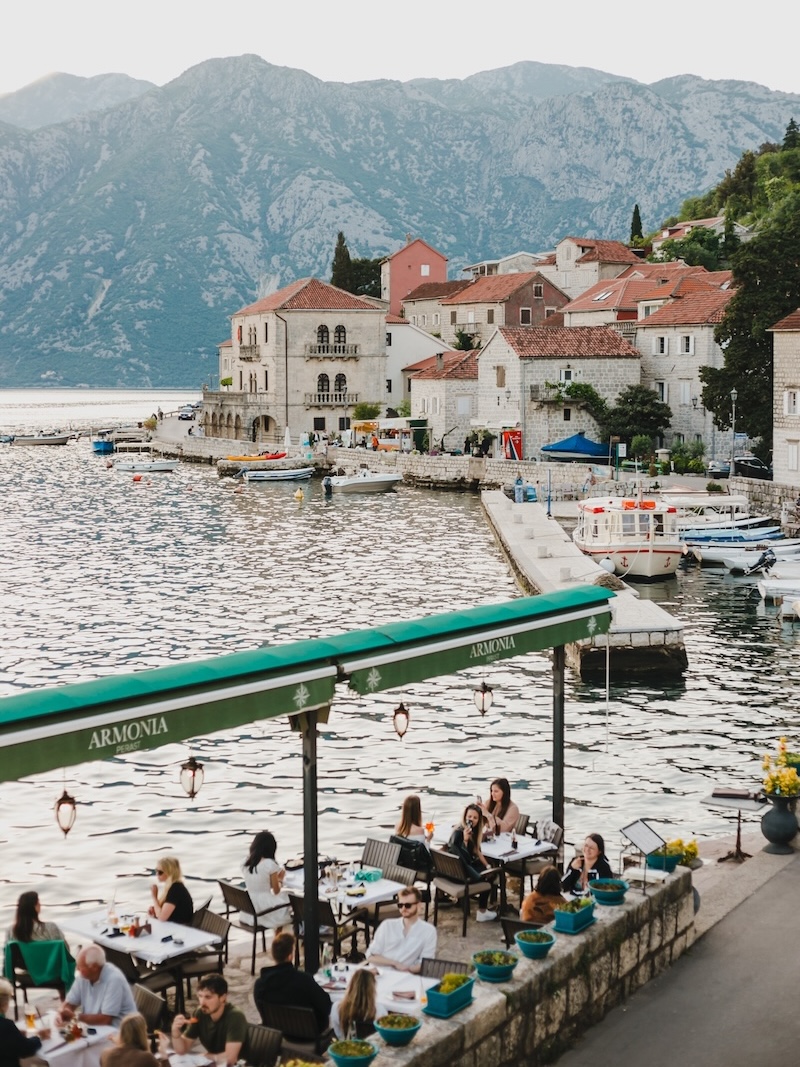
The coast has always been shaped by the sea. Life feels more Mediterranean. People spend evenings outside, seafood is part of everyday meals, and there is a rhythm influenced by tourism and maritime traditions. The mountains feel quieter and more rugged. People have historically relied on farming, shepherding, and close-knit communities. Life there teaches resilience and self-reliance, especially during long winters.
5. When you arrive in the Bay of Kotor, what feeling do you think people experience before they understand its history?
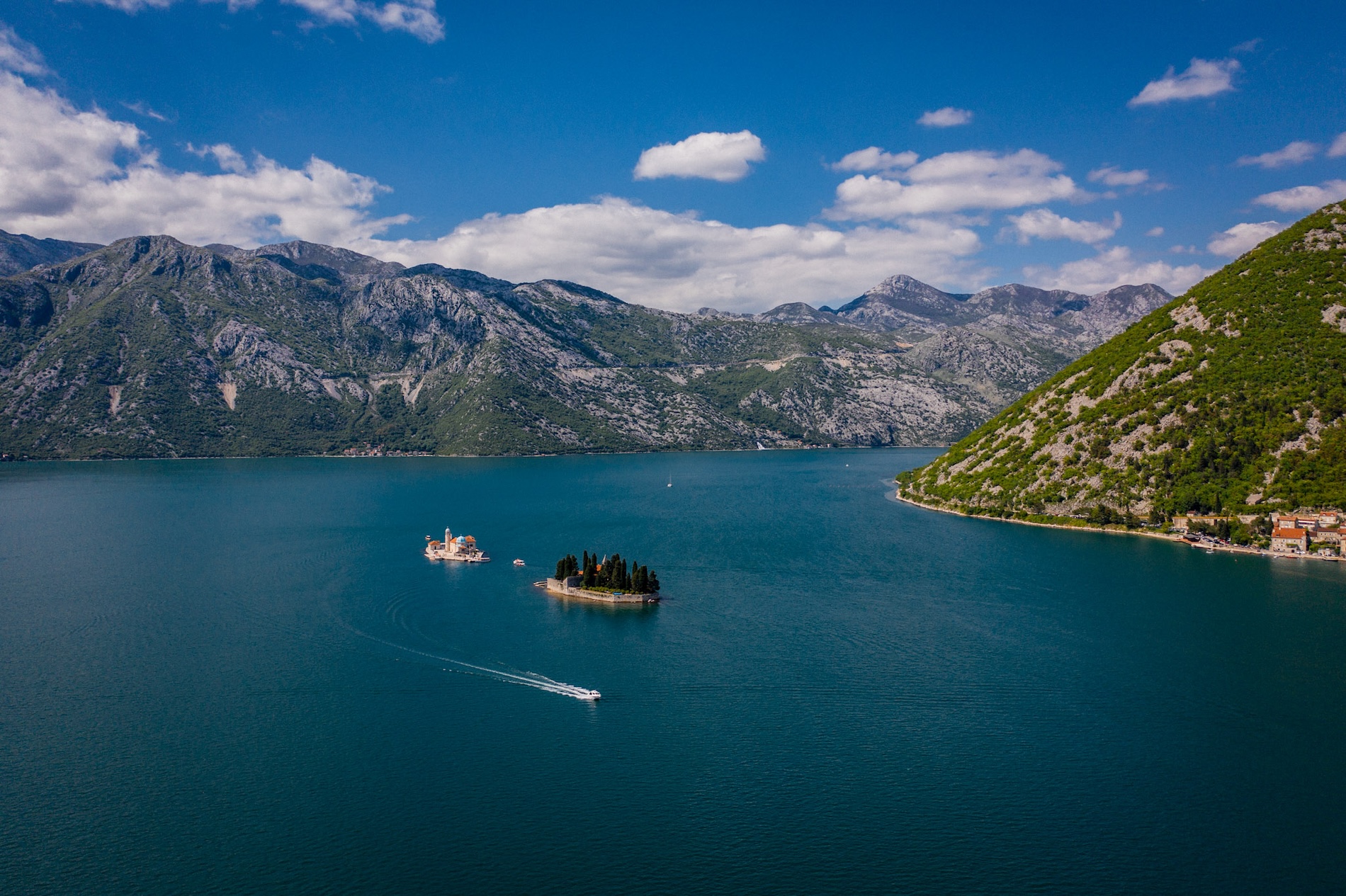
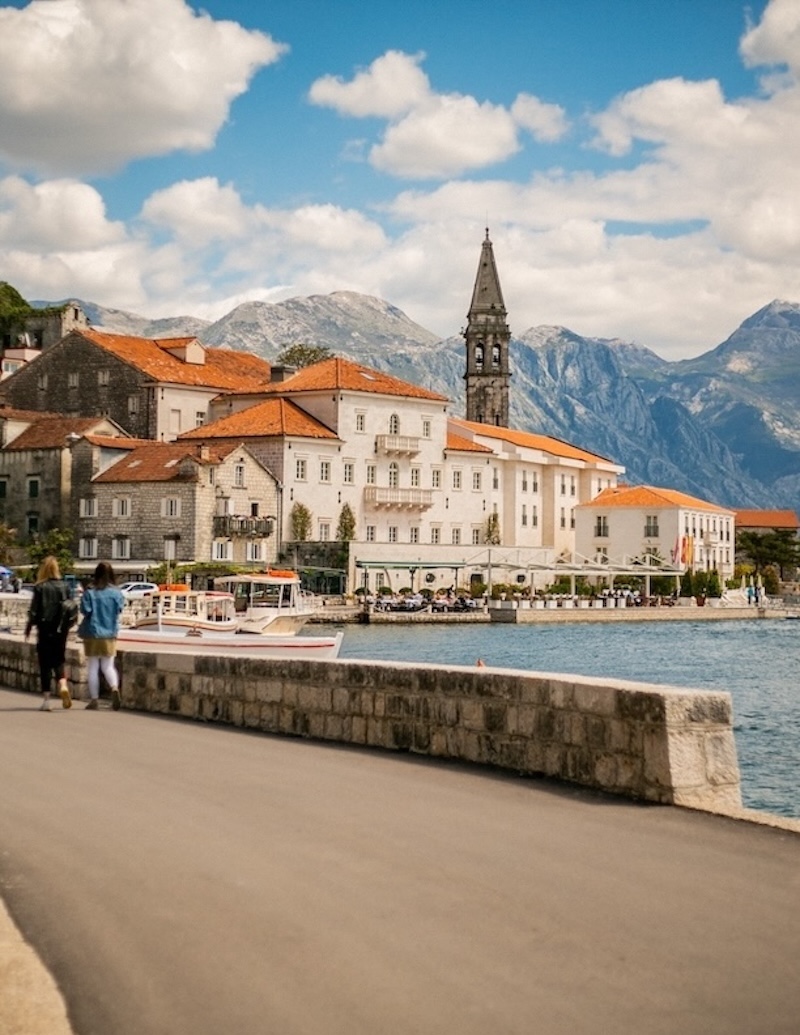
I think it’s a feeling of calm mixed with curiosity. The mountains rise straight out of the water, surrounding the bay almost like a natural amphitheatre. Before people know anything about its past, they often feel they’ve arrived somewhere timeless.
6. How would you describe life in Montenegro’s mountains compared to life along the coast?
On the coast, mornings often begin with coffee by the sea and the sound of boats. In the mountains, mornings begin with fresh air, forests, and silence broken only by birds or livestock. Both places are beautiful, but they offer completely different rhythms of life.
7. Are there traditions or ways of life that are unique to certain regions and still remain strong today?
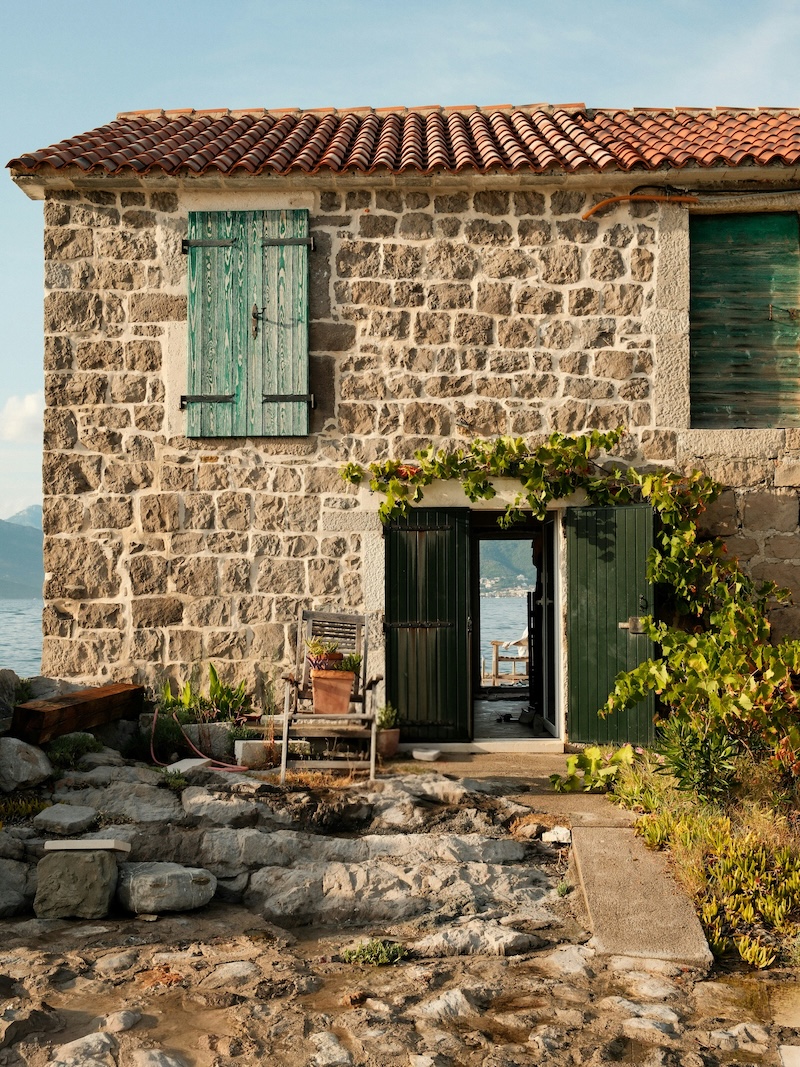
Yes. Along the coast, maritime traditions, seafood cuisine, and old stone towns remain an important part of daily life. In the north, traditional livestock farming, handmade wool products, and seasonal gatherings continue to play a significant role. Across the country, family celebrations and religious feast days remain deeply valued.
The people
8. What is something Montenegrins do without thinking that immediately tells you someone grew up here?
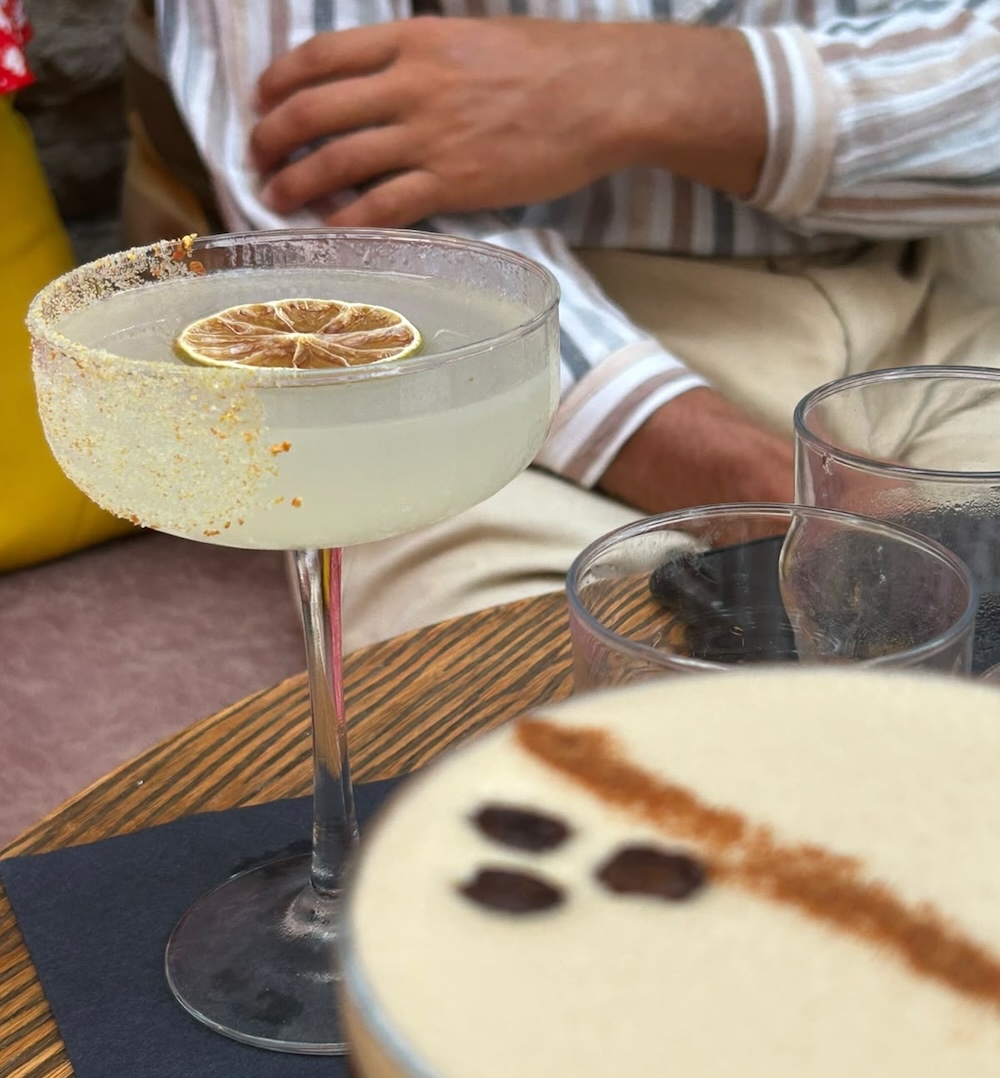
Offering coffee. If someone visits your home, putting on coffee is almost automatic. It’s not about the drink itself; it’s about making someone feel welcome.
9. What values do you think have always been important to people in Montenegro, regardless of where they come from? Who taught you those values?
Respect, honesty, loyalty, and hospitality. My mother and grandmothers always taught me that a guest should never leave hungry, and my father taught me that your word should mean something. Those lessons stay with you throughout life.
10. What’s a small everyday moment that, to you, says, “This is Montenegro”?
Sitting outside a café with friends for hours, talking without checking the time. There’s no rush. The conversation itself is what matters.
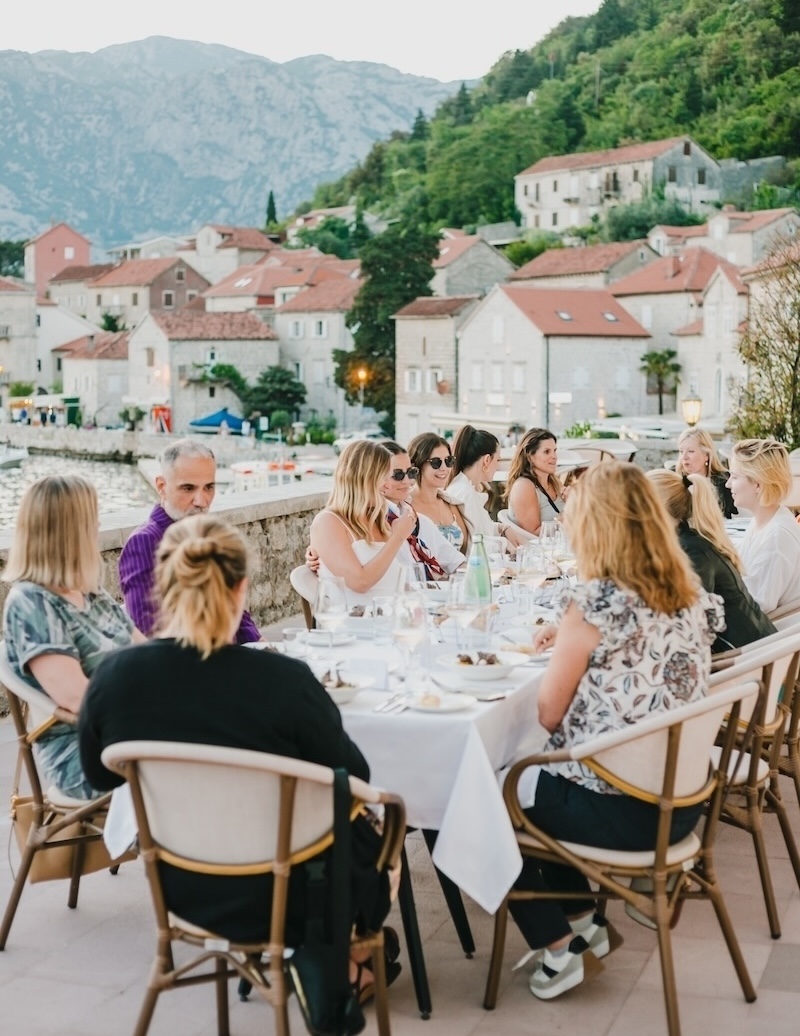
By now, coffee had become much more than a drink in our conversation. It was a small ritual of welcome, and one of the simplest ways Marina and Marko described what hospitality means here.
The traditions they hope never disappear
11. Which tradition do you think best represents Montenegro today, and why?
Hospitality. Traditions change over time, but welcoming people into your home remains something deeply rooted in our culture. Food is shared generously, stories are exchanged, and visitors quickly become friends.
12. Is there a tradition you hope never disappears? Why?
Family gatherings during religious holidays and celebrations. They bring generations together and help pass on stories, customs, and memories that can’t be learned from books.
13. Have you seen younger generations rediscover traditions in new ways?
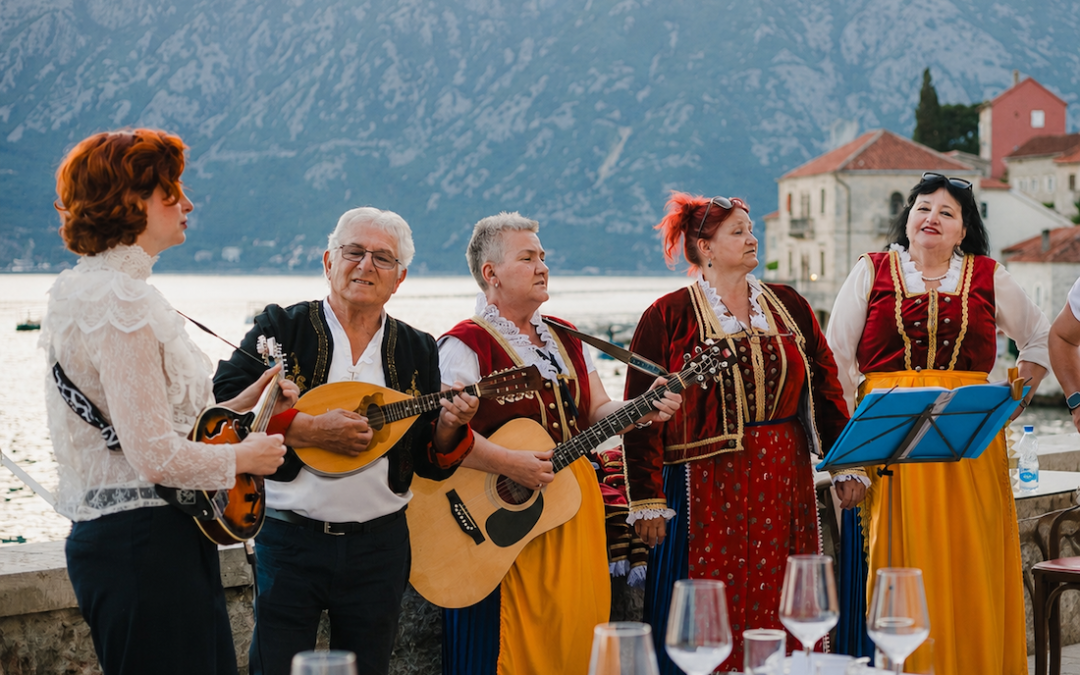
Yes. Young people are learning traditional dances, wearing national costumes during festivals, reviving old recipes, and sharing local heritage through photography and social media. They often find modern ways to keep traditions alive.
14. What do the gusle represent to Montenegrins today?
The gusle are much more than an instrument. They preserve history, poetry, and memory. For centuries, they carried stories from one generation to the next before many people could read or write.
15. Can you remember the first time you heard the gusle? How did it make you feel?
I remember hearing them as a child during a cultural gathering. The sound was unlike anything else—simple but powerful. Even before I understood the words, I could feel that the songs carried something important.
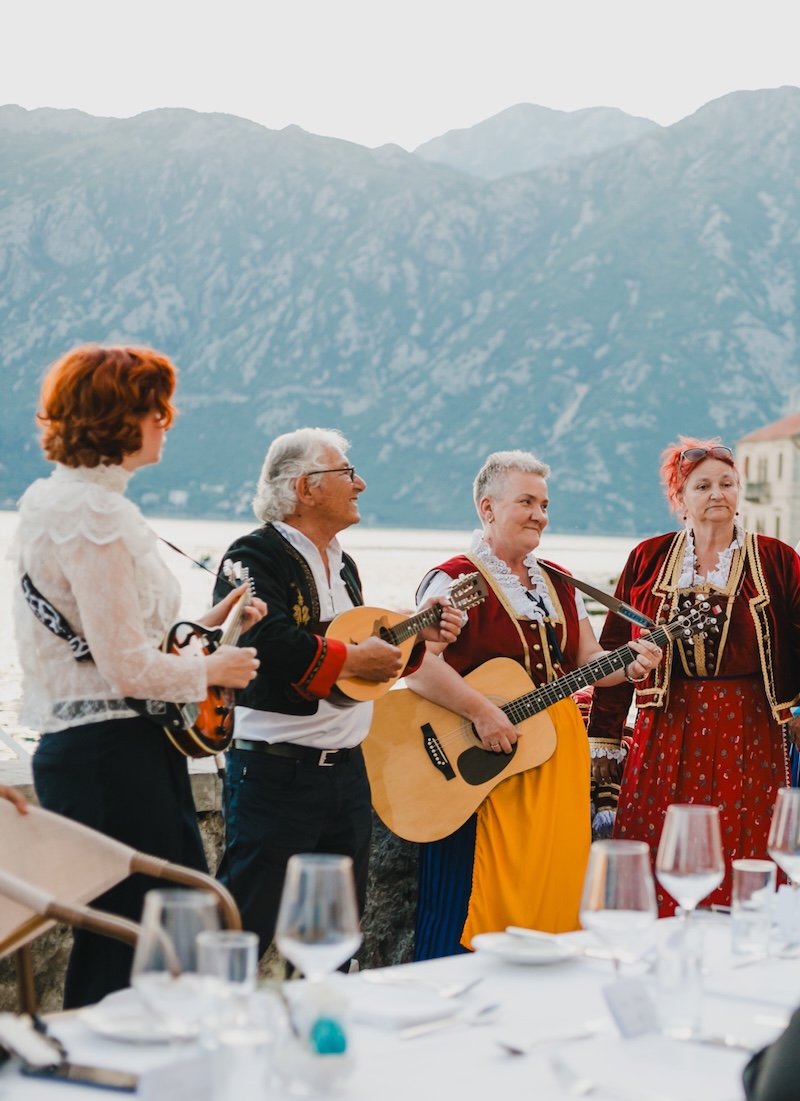
The traditions they hope never disappear
16. Are there any traditional crafts that you feel are an important part of Montenegro’s identity?
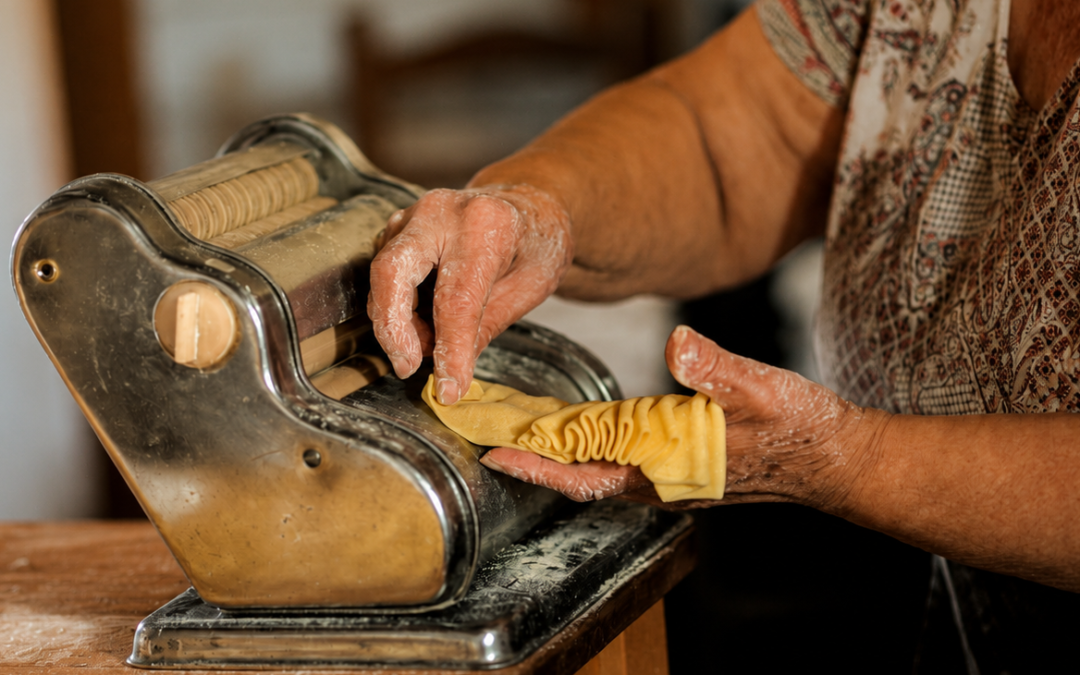
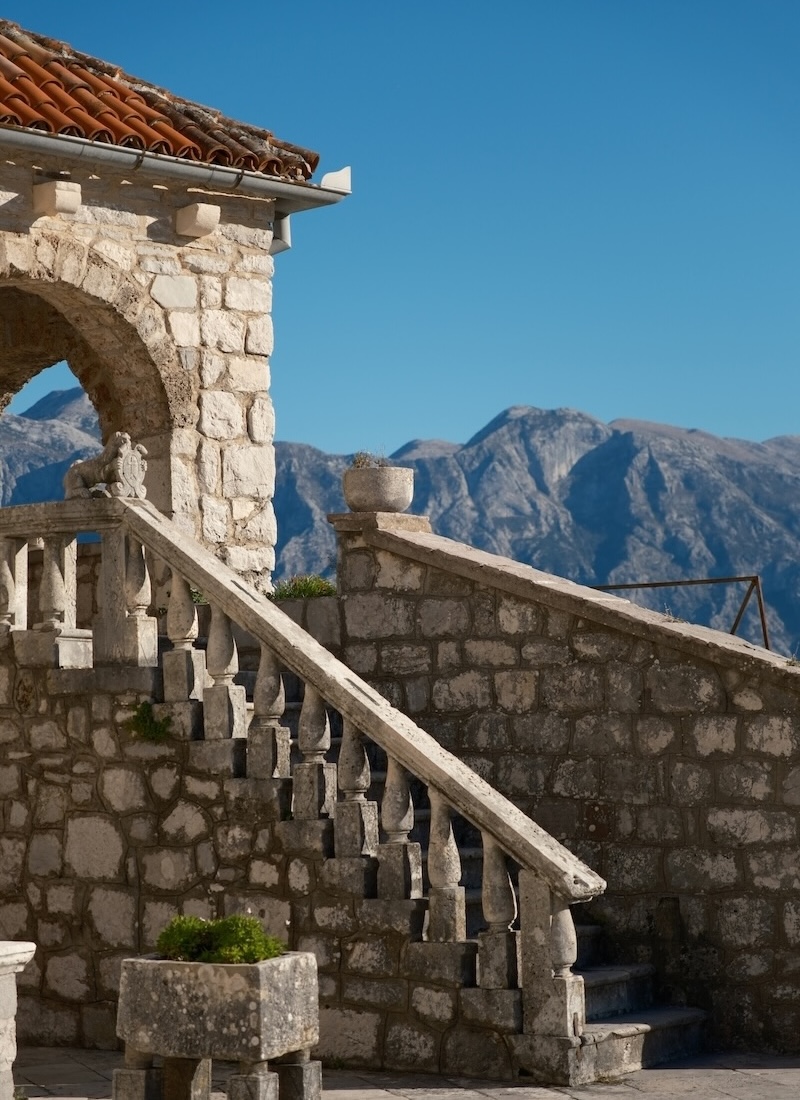
Stone masonry, wood carving, traditional embroidery, and dry-stone wall building all reflect the country’s history. They show how people used local materials and skills passed down through generations.
17. Is there a craftsperson whose work you’ve always admired? What makes them special?
I’ve always admired the older artisans who continue to work by hand despite modern technology. Their patience and attention to detail remind us that true craftsmanship takes time.
From family tables and cups of coffee to music and craftsmanship, our conversation kept returning to the things that are passed quietly from one generation to the next. So, before we finished, we asked Marina and Marko to bring it all together.
18. If you could show a visitor just one tradition, one place, and one everyday moment that together capture the spirit of Montenegro, what would they be, and why?
I’d invite them to a family celebration where everyone gathers around one table. I’d take them to the Bay of Kotor at sunrise, when the water is still and the mountains reflect like a mirror. Then I’d end the day sitting at a small café, watching people greet one another as they pass by. Together, those moments show Montenegro’s warmth, beauty, and sense of community.
19. What’s a story about Montenegro you’ve never been asked to tell, but wish more people knew?
I wish more people knew that Montenegro isn’t only a destination of dramatic landscapes. It’s a country where history lives through ordinary people. Every family has stories of resilience, migration, celebration, and tradition. Those personal stories are just as remarkable as the mountains, the sea, and the old towns. They are what truly give Montenegro its soul.
Every story leads to another…
Listening to Marina and Marko reminded us that Montenegro is best understood not only through its landscapes and traditions, but through the people who live them every day.
Coffee shared without checking the time. Family celebrations that continue to bring everyone home. Conversations that last longer than expected. These moments may seem ordinary to the people who experience them every day. Yet they reveal something essential about Montenegro.
Perhaps that’s why every conversation seems to lead to another story. Their stories and perspectives offered us a more personal glimpse into a country they both know so well. For us, sharing their voices makes this story particularly special.
They are people we know, respect and are grateful to have as part of our journey — and a reminder that behind every place are people whose stories are worth discovering.
Inspired to experience Montenegro for yourself?
Journey2Montenegro together with Journey2Croatia creates personalised journeys inspired by the people, traditions and places that shape the country.