More than a meal…
Ask someone in Croatia what reminds them most of home, and the answer rarely begins with a recipe. In Slavonia hearty stews will almost certainly be mentioned.
In Dalmatia, the conversation may begin with olive oil, fresh fish or pasticada. In Istria, fuzi, manestra or even truffles often find their way into the story.
Every part of Croatia has flavours that have become part of its identity. Instead, they remember Sunday lunches that still bring the whole family together. About grandmothers whose handwritten notebooks are carefully kept in kitchen drawers.
About neighbours gathering to prepare winter preserves, children waiting for fresh bread to come out of the oven and recipes that have survived because someone decided they were worth passing on.
The more we listened, the more we realised this wasn’t only a story about food. It was a story about home.
Every table has room for one more in Slavonia
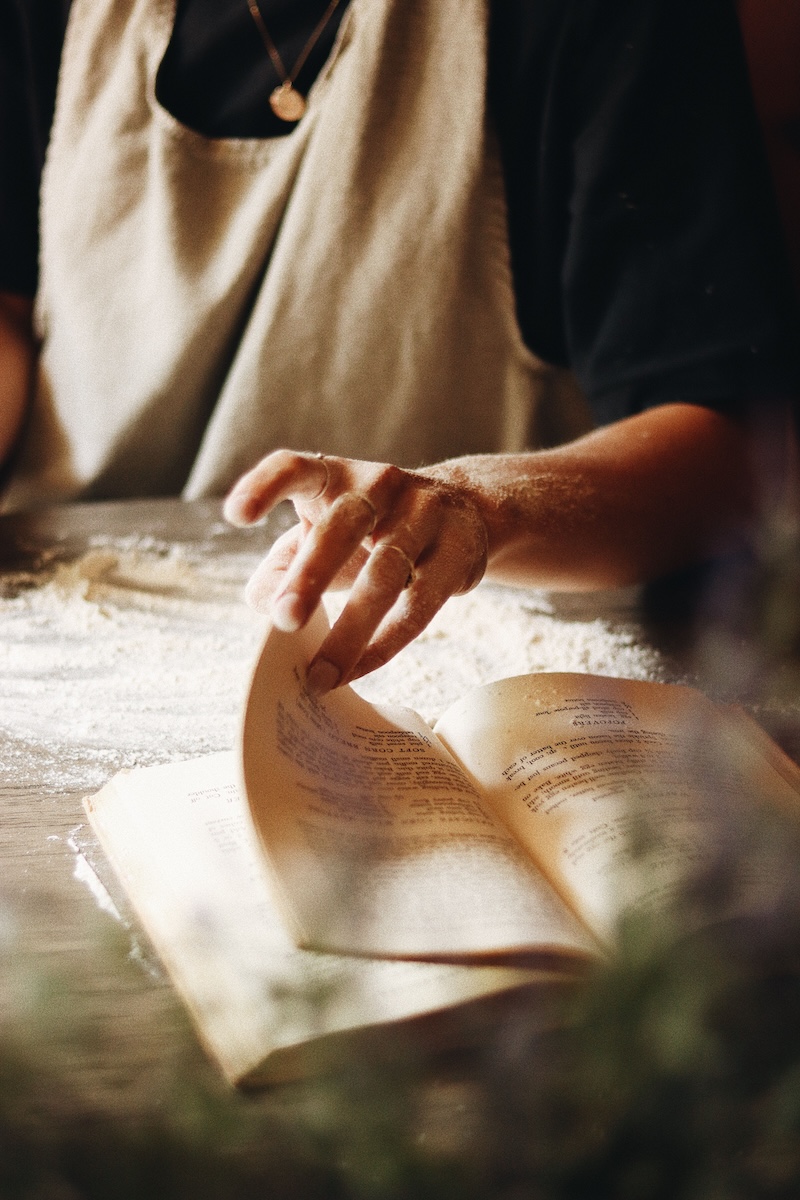
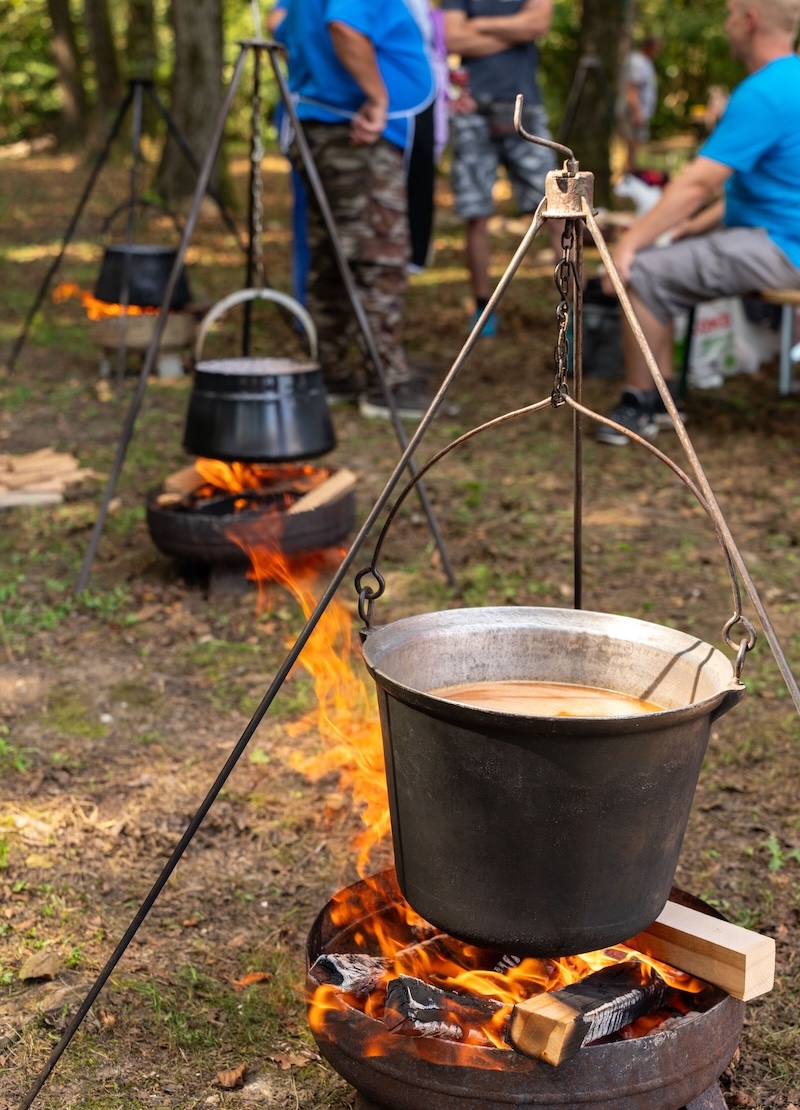
Across the eastern plains of Slavonia, food has always been shaped by the land, but even more by the people who gather around it. When we spoke to Lucija, she described a table that quickly fills whenever guests arrive, whether they are expected or not. It might be sarma, roast meat or a pot of cobanac slowly simmering over an open fire. Or it could simply be a slice of madjarica, homemade strudel or another family cake, often made from recipes carefully preserved in a grandmother’s handwritten notebook.
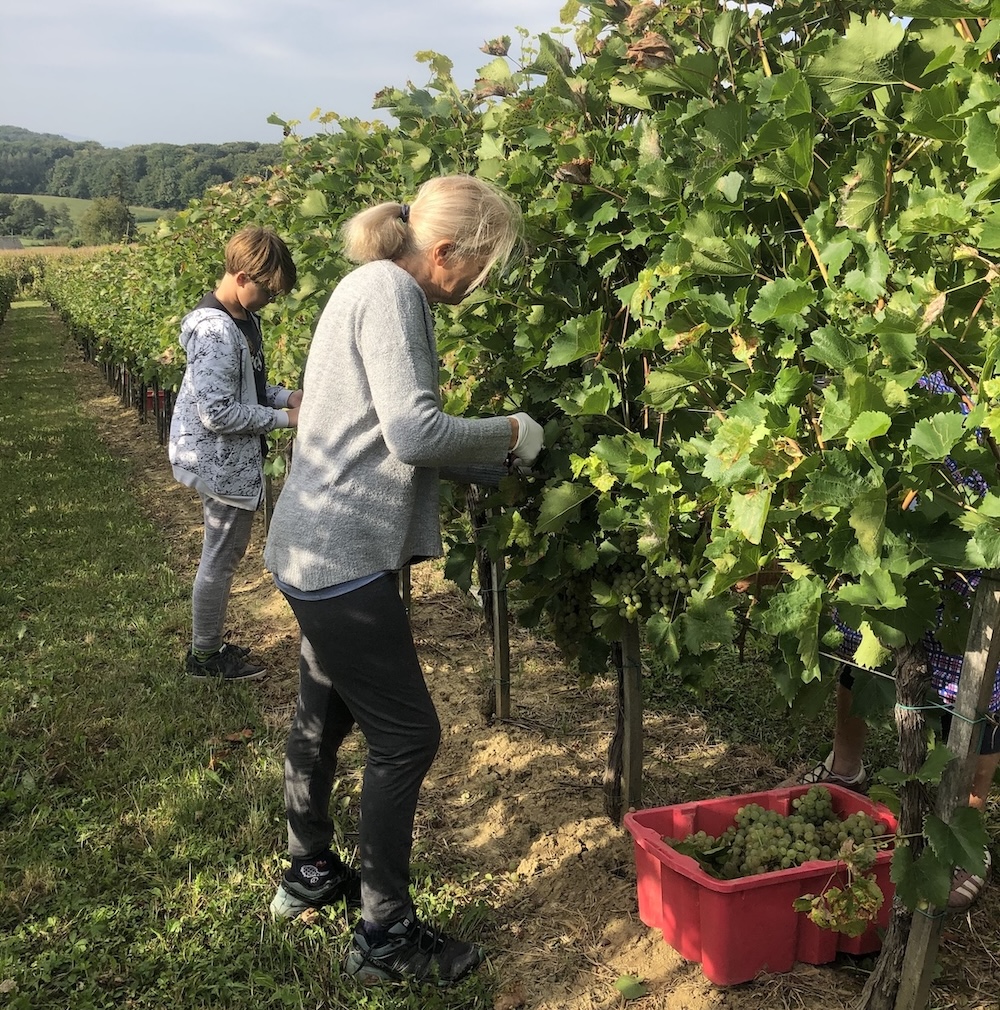
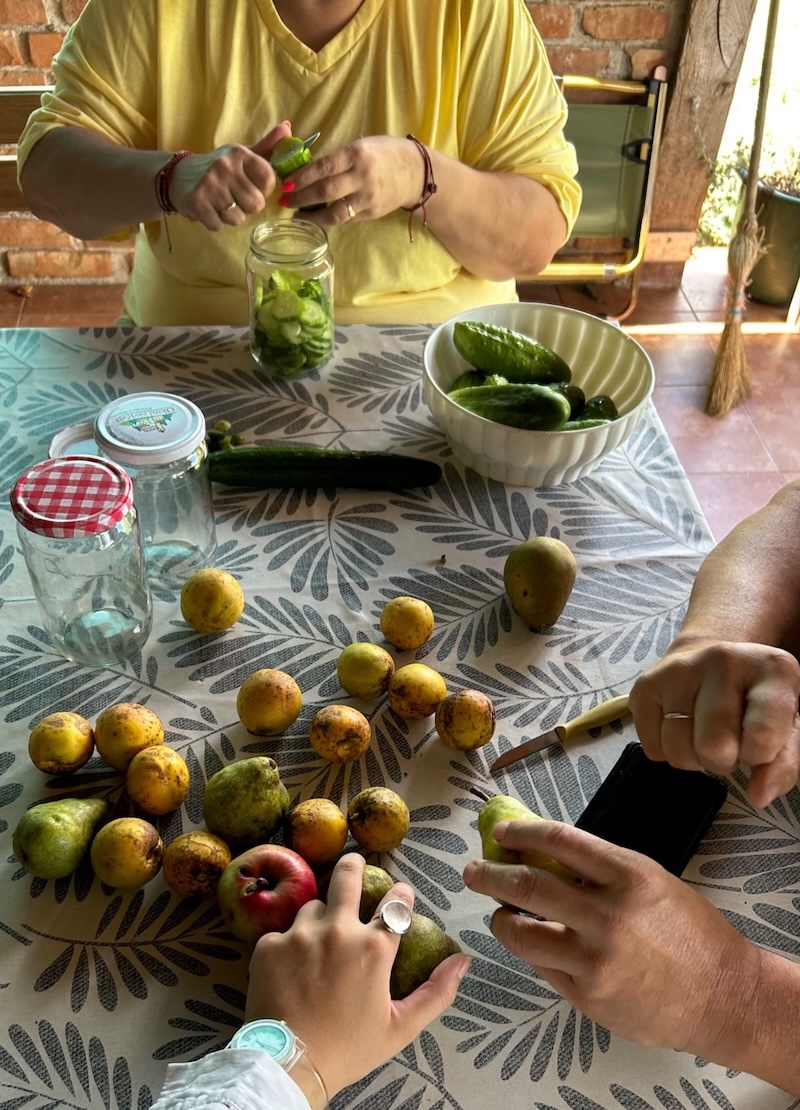
The land itself is never far from the story. Endless wheat fields have long shaped the region, while roadside stalls filled with homegrown tomatoes appear every summer. Lucija also told us about a tradition that says a great deal about life in Slavonia. When it is time to prepare tomato preserves for the winter, neighbours gather to help. Before long, the work gives way to coffee, conversation and laughter echoing through the street.
The tomatoes matter, but the time spent together matters even more. Along the Drava River, Ivica’s memories take the story in a different direction. If someone wanted to discover Slavonia through its food, he would prepare fish paprikas or cobanac, depending on where they were. One reflects life along the river, the other has its roots in the simple meals once cooked by shepherds.
Even today, fish paprikas remains one of the dishes he believes best represents Slavonia and Baranja, carrying on a tradition that has been passed from one generation to the next. That same sense of togetherness appears throughout the year. Sunday lunches still bring several generations around the same table, while Christmas and Easter are marked by familiar dishes prepared year after year.
Family gatherings are still marked by roast pork, homemade soups and the familiar flavours that return to the table year after year. Lucija reminded us that many visitors associate Slavonia mainly with kulen and cobanac, but the region’s food tells a much richer story. Ivica would add fish paprikas to that list, especially in communities shaped by life on the Drava.
Alongside its best-known dishes are homemade bread, family cakes, handwritten recipes, soups served before every Sunday lunch and traditions quietly passed from one generation to the next. Even cobanac was remembered not only for the meal itself, but for the conversations shared around the kettle while it slowly cooked.
When we asked what reminded him most of home, Ivica didn’t hesitate. His answer was Slavonian kulen. In Slavonia, food is never just about what is on the table. It is about the people around it, the traditions they continue and the feeling that there is always room for one more.
When a meal becomes a Dalmatian welcome
Along Croatia’s southern coast, food has long been one of the ways people welcome others into their home. When we spoke to Antea from Sinj, one dish came up before almost any other: pasticada with homemade gnocchi. It is not the kind of meal prepared on an ordinary day.
Instead, it is often reserved for family gatherings, celebrations or guests, because making it is, in itself, a gesture of care. As Antea explained, preparing it is one of the ways people show how much it means to welcome someone properly. That same care runs through much of Dalmatian cooking. It doesn’t take long before someone reaches for the olive oil, fresh fish is part of everyday life and recipes often rely on just a handful of seasonal ingredients.
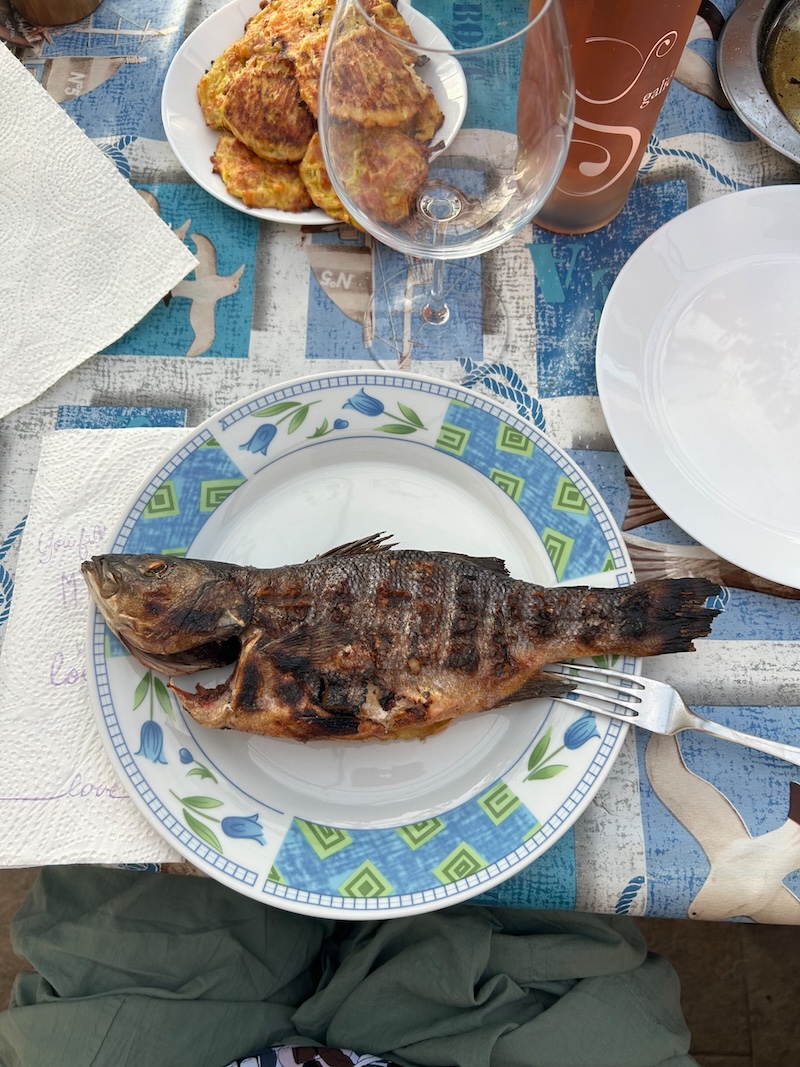
Brudet, fish grilled over an open fire and meals prepared under the peka all reflect a cuisine that values good ingredients more than complicated techniques. Antea also reminded us that many visitors think of Dalmatia simply as a place for seafood. Alongside fish are family recipes for pasticada, hearty stews, vegetables, homemade gnocchi and dishes that still return to the table whenever families come together.
Certain meals continue to mark the passing of the seasons. Bakalar remains a Christmas tradition, Easter often brings lamb or peka, while summer is remembered through sardines, squid and the smell of fish on the grill. When we asked what reminded people most of home, the answers were never just about taste.
They spoke about the scent of olive oil warming in the pan, rosemary carried through the air, freshly baked bread and the sea never far away. In Dalmatia, food is one of the ways people say, we’re glad you’re here.
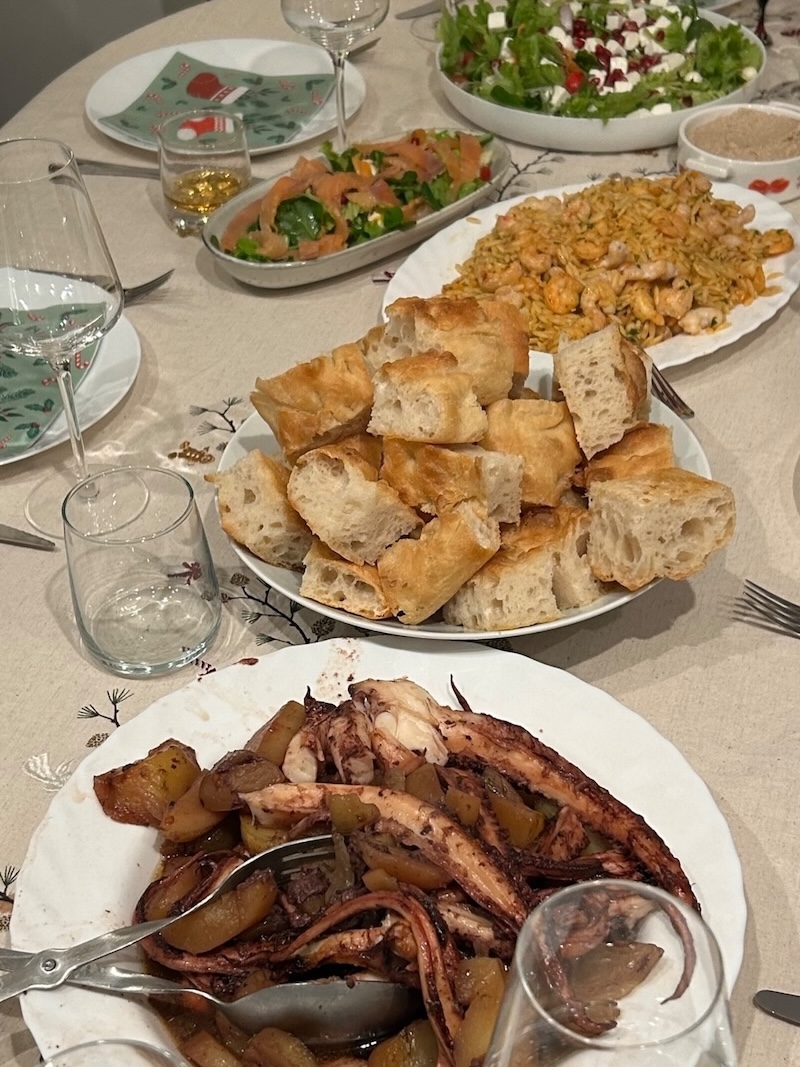
The things grandmothers never write down in Istria
Across the rolling hills of Istria, recipes have been passed from one generation to the next for decades. Yet some of the most important things are never written down. When we spoke to Milka from Zminj, she wasn’t really talking about recipes. She was talking about the things that are learned by watching older generations around the table and in the kitchen. Every year, one of her granddaughters asks her to teach her how to make manestra.
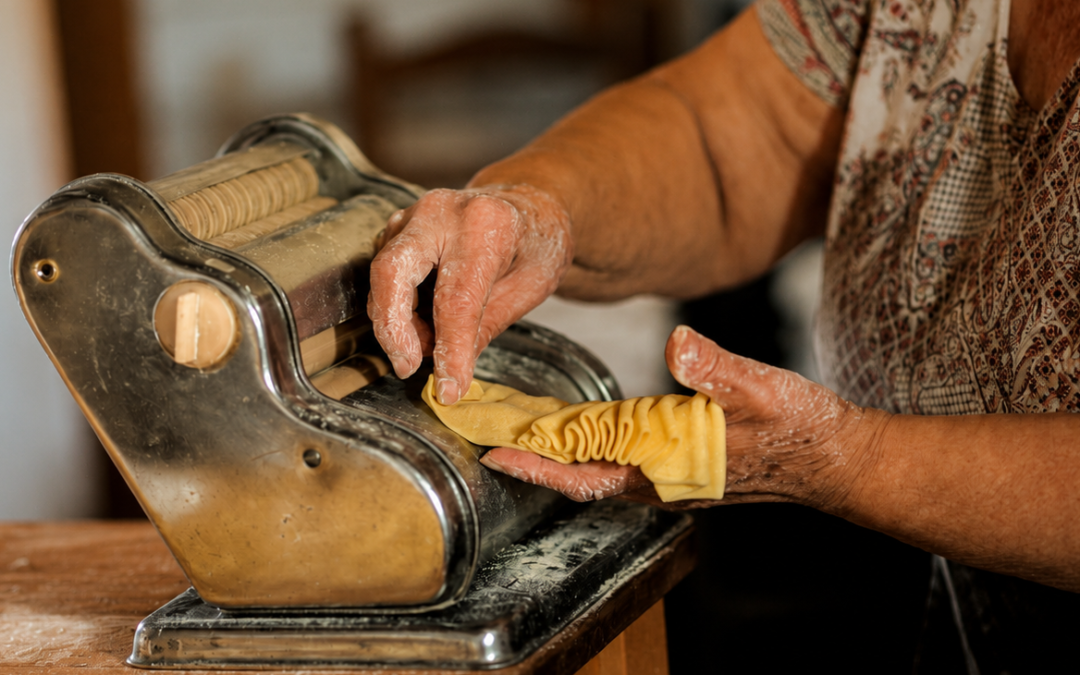
Not from a cookbook, but by standing beside her in the kitchen, watching, tasting and learning as generations have done before. Some things, Milka told us, are never learned from books. They are passed from one pair of hands to another. That lesson extends far beyond one kitchen. Fuzi, pljukanci, njoki and strunjci are still made by hand, while manestra changes with the seasons, using whatever the garden has to offer.
Potatoes, flour and eggs remain the foundation of countless traditional dishes, proving that some of the most memorable meals begin with the simplest ingredients. When we asked which ingredient best represents Istria, Milka’s answer wasn’t truffles or prosciutto.
It was cabbage. Not because it is famous, but because it quietly fed generations. Easy to grow, preserved through the winter and used in countless everyday meals, it reflects a cuisine built on seasonal ingredients, practicality and making the most of what was available.
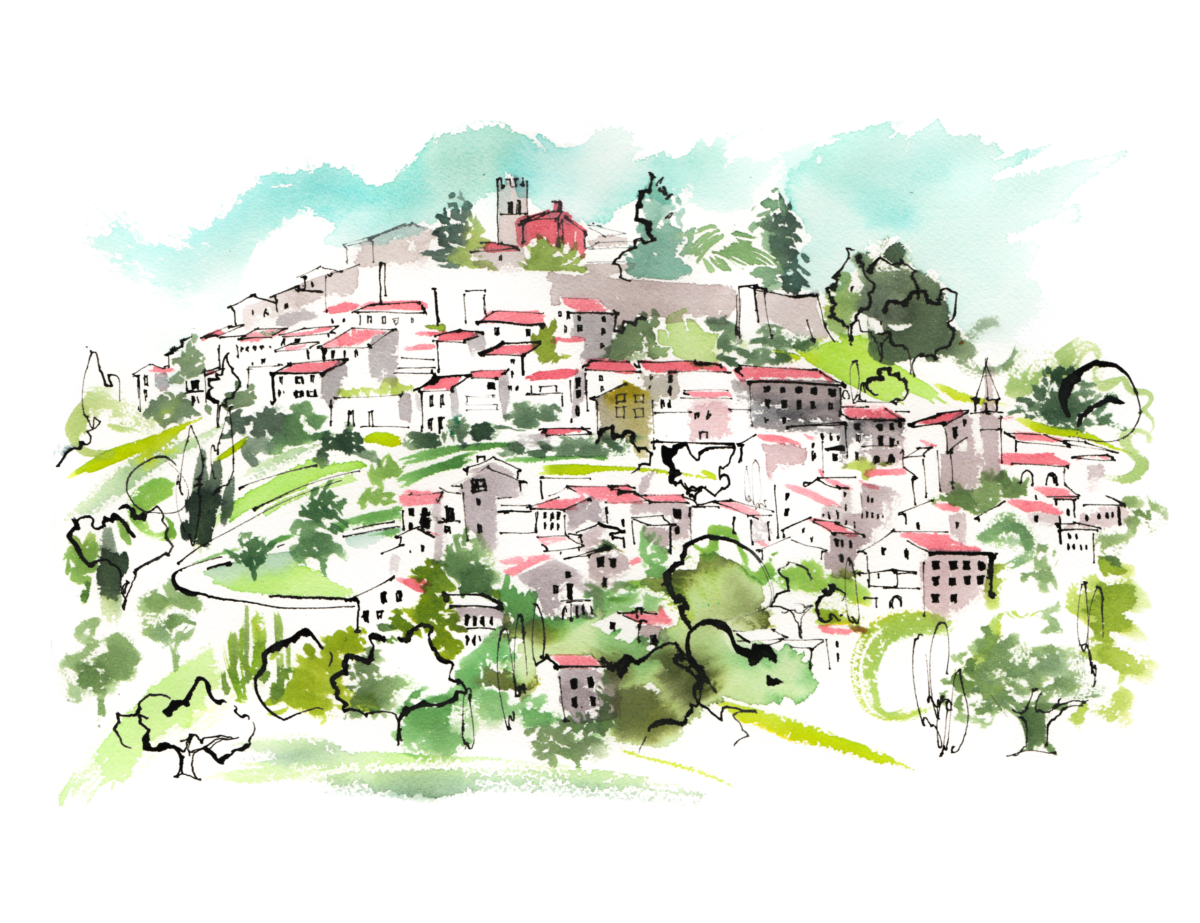
That is also why Milka smiles when visitors assume Istrian food begins and ends with truffles. While they have certainly earned their reputation, everyday cooking has always relied just as much on vegetables, legumes, homemade pasta and recipes that change with the seasons.
When we asked what tastes most like home, her answer wasn’t a festive meal. It was strunjci, a simple handmade pasta traditionally served with grated sheep’s and cow’s cheese, remembered because her mother used to carry them into the fields for lunch on summer days. Some recipes can be written down. The ones we remember most are often the ones that cannot.
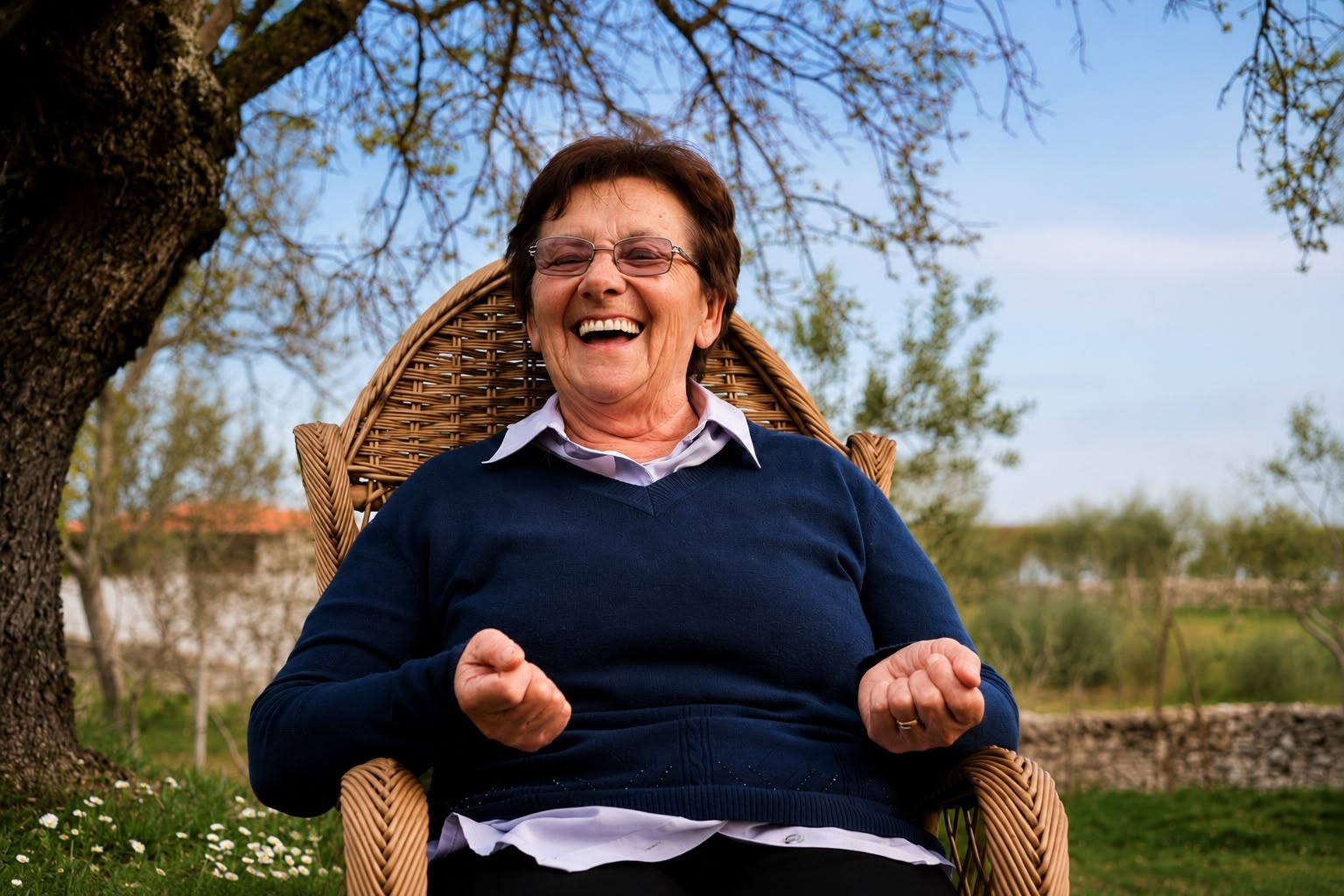
Where everyday meals feel like home in continental Croatia
Some of the meals people remember most were the ones made on ordinary days. They were simple, familiar and always waiting at the end of the day. When we spoke to Karlo, who grew up in the Moslavina region of central Croatia, the first dish he mentioned wasn’t something elaborate. It was Moslavacki krumpir, a simple combination of potatoes, eggs and bacon cooked together in a frying pan.
Quick to prepare and made from ingredients almost every household had on hand, it was the kind of meal that brought everyone to the table after a day’s work and one that still reminds him of childhood. Everyday cooking across the region has long relied on simple ingredients. Pork lard, eggs, potatoes and cornmeal became the foundation of dishes such as zuti zganci, prezgana juha and homemade bread.
Many recipes were born from practicality rather than abundance, making the most of what families had available. For Nika from Zagreb, many of those memories begin with soup and boiled beef, followed by family favourites such as strukli, apple strudel and bucnica. Her family’s recipe for apple strudel has been passed from one generation to the next, while Christmas and Easter continue to bring familiar meals like turkey with mlinci or Easter ham back to the table.
Many visitors assume the food of central Croatia is heavy or old-fashioned. Karlo smiled when we mentioned that stereotype. While the region certainly has its hearty dishes, these recipes have always been rooted in seasonality, practicality and making the most of every ingredient. What matters is not how elaborate a meal is, but the memories that come with it. When we asked what reminded them most of home, neither answer was a particular recipe.
For Karlo, it was the smell of a barbecue, a sign that the weekend had arrived and family would soon gather together. For Nika, it was the familiar meals that had always found their way to the table, from warm soup to homemade strudel. Sometimes, home is remembered long before the first bite.
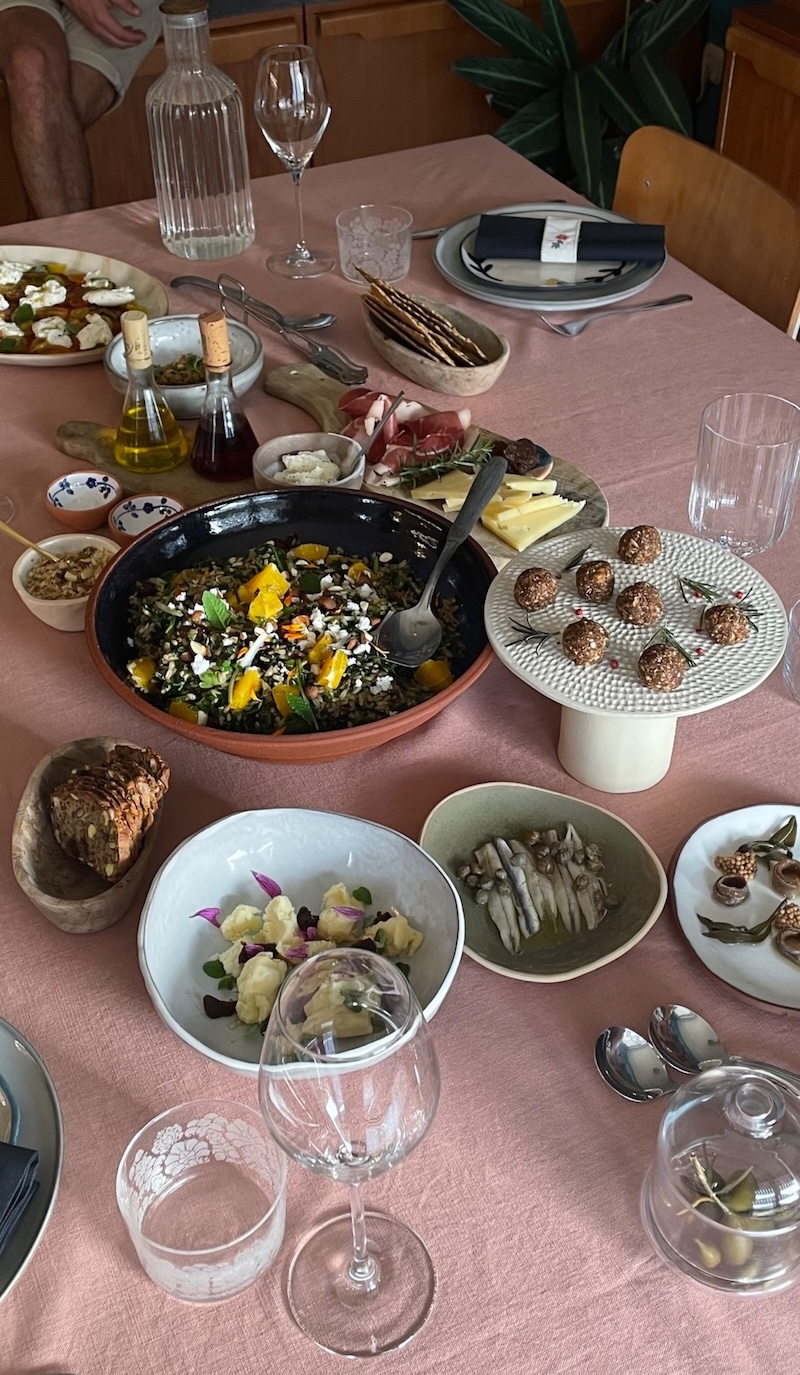
Stories shared around the table…
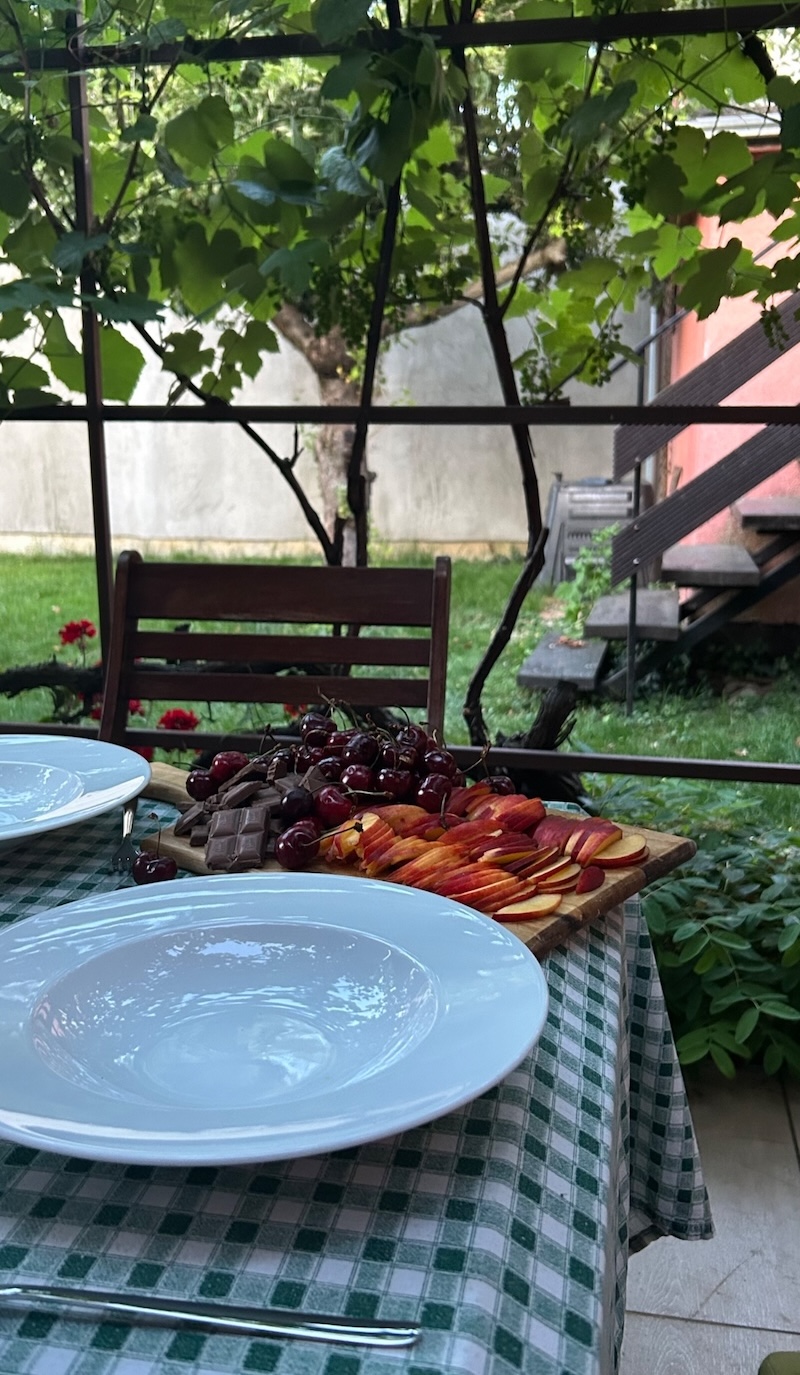
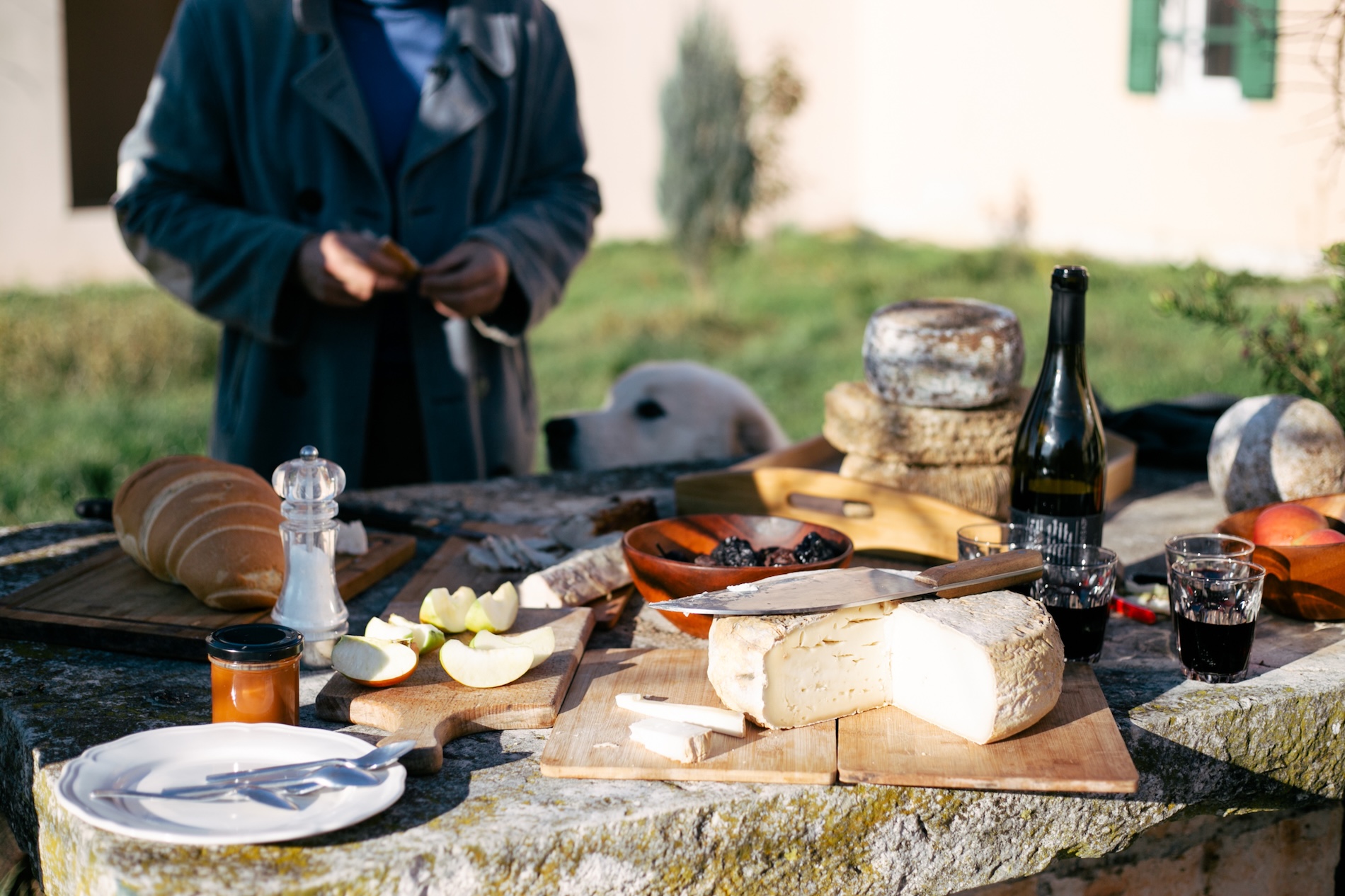
Across Croatia, every table told a different story. Some began with neighbours preparing winter preserves together. Others with a grandmother quietly passing on a recipe that had never been written down.
Some were remembered through the scent of olive oil warming in a pan. Others through the smell of a weekend barbecue drifting across the garden. The dishes changed. The feeling rarely did. Because in the end, food introduces you to a place. The people are what make it feel like home. If Croatia’s flavours have inspired your next journey, Journey2Croatia can help you experience them for yourself.