A country where bees tell a big story…
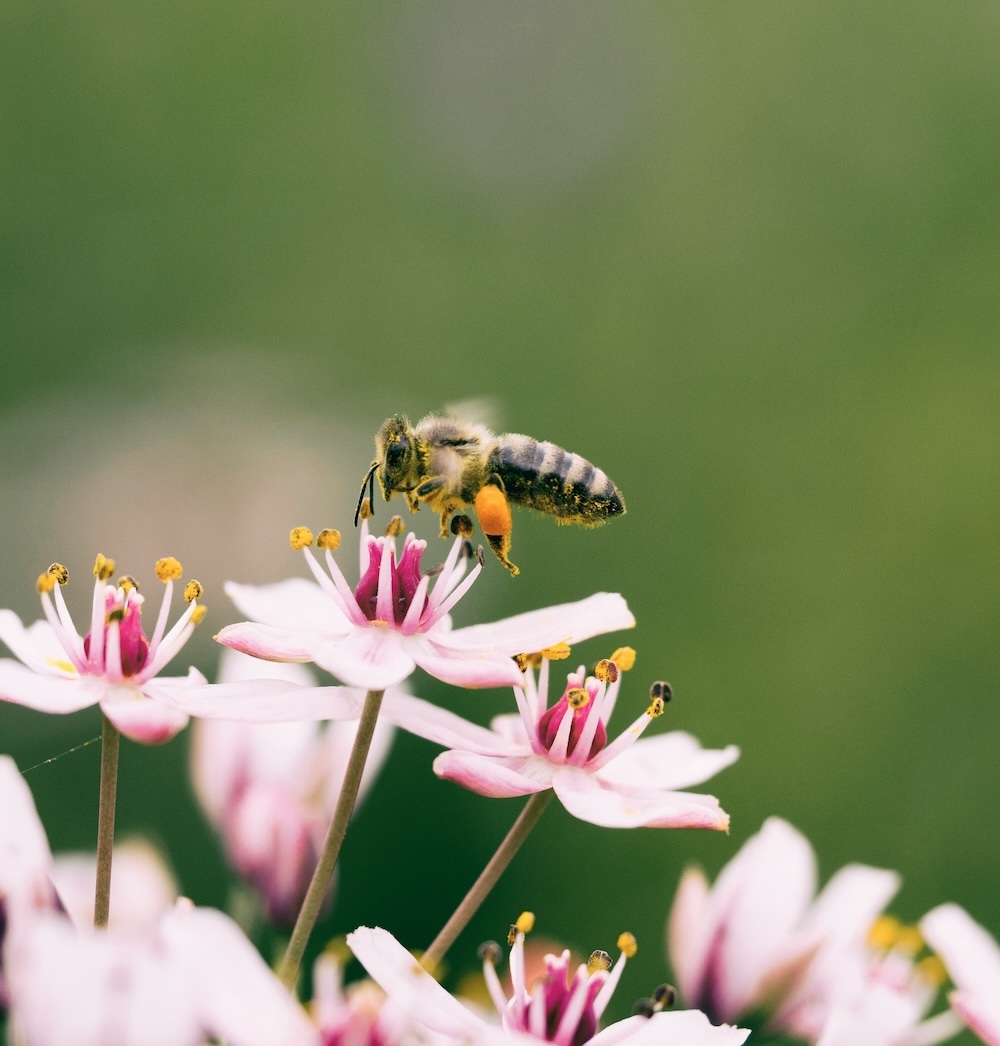
Every place has a symbol. Sometimes it’s a mountain, a coastline or a famous landmark. In Slovenia, one of the country’s most enduring symbols weighs less than a teaspoon of honey. Slovenia has all of these, yet one of the country’s most meaningful stories begins with something much smaller. A bee.
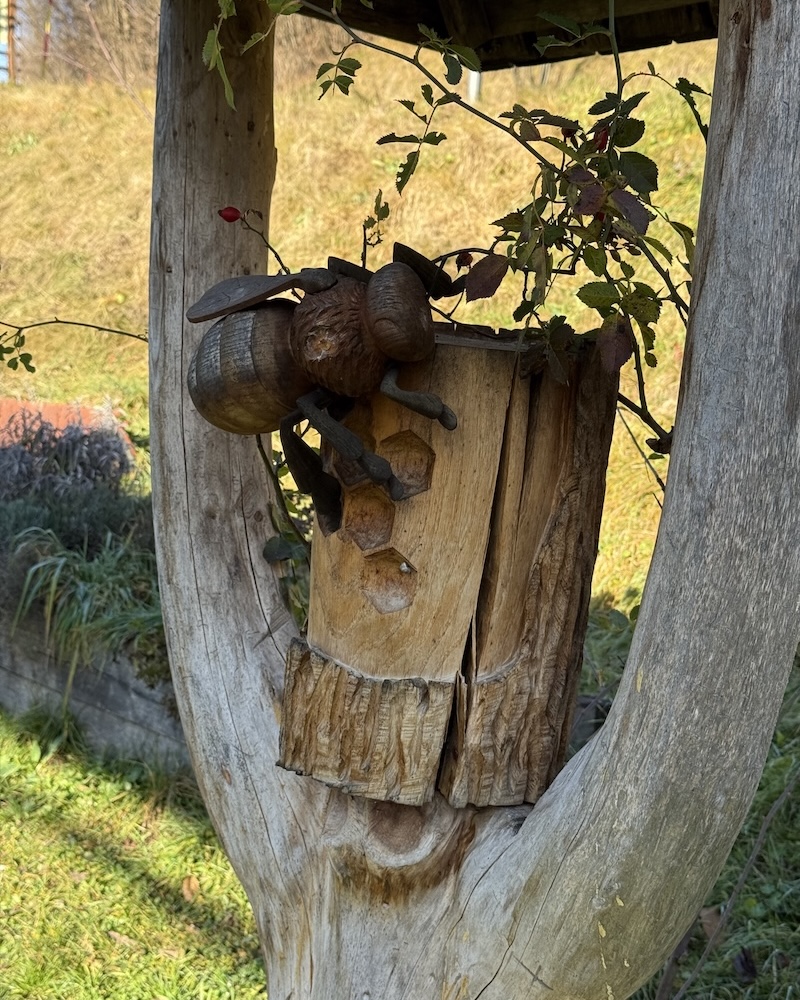
The more time you spend discovering Slovenia, the more often bees begin to appear. Not only in the countryside, they appear on the painted fronts of traditional beehives, in family gardens, local markets and conversations that stretch across generations. They are part of a story that has been passed from one generation to the next for centuries.
For many Slovenians, beekeeping has never been only about producing honey. It reflects a deep respect for nature, craftsmanship and the belief that even the smallest living creatures deserve care and protection. For generations, locals have understood that caring for bees goes hand in hand with caring for the environment they depend on.
Long before sustainability became one of the country’s defining values, that relationship was already taking shape in apiaries across Slovenia. Understanding Slovenia through its bees may not be the most obvious place to begin. Yet few traditions offer such a meaningful insight into the country’s character.
A Way of Seeing the World
It doesn’t take long to realise that beekeeping holds a special place in Slovenia. What began centuries ago as a way of caring for bees gradually became part of the country’s identity, shaping traditions, craftsmanship and the relationship people have with the natural world.
Today, many Slovenians continue this tradition, making Slovenia one of the countries with the highest number of beekeepers per capita in Europe. For many families, beekeeping is knowledge passed from one generation to the next, preserving skills and customs that remain part of everyday life.
This deep connection has also shaped the world beyond Slovenia’s borders. One of the people who shaped this relationship was Anton Jansa, an 18th-century beekeeper from Slovenia, laid the foundations of modern beekeeping through his observations and teaching.
More than two centuries later, his birthday, 20th May, became World Bee Day following Slovenia’s initiative at the United Nations. For Slovenians, however, the importance of bees has never been measured only by honey. Their story continues far beyond the hive.
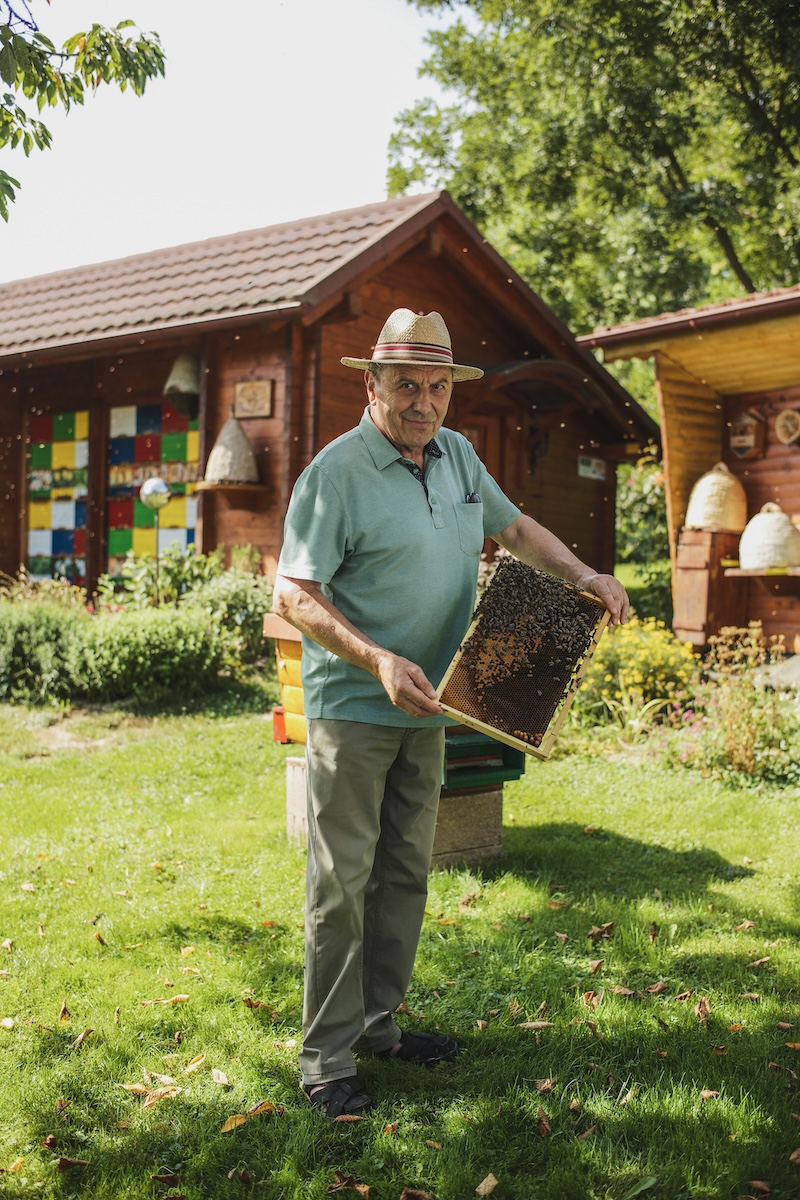
Growing up with bees
In Slovenia, the relationship with bees often begins long before someone becomes a beekeeper. Every third Friday in November, children across the country take part in the Traditional Slovenian Breakfast, a nationwide initiative that introduces them to the importance of local food, beekeeping and caring for nature.
Alongside bread, butter, milk and apples, honey has become an essential part of the tradition. More than a school breakfast, it is a reminder that beekeeping is not only about producing honey, but also about understanding the role bees play in the world around us.
From an early age, children learn why pollinators matter, how they support biodiversity and why protecting them is a shared responsibility. It is a simple tradition, yet one that reflects the way Slovenia continues to pass its beekeeping heritage from one generation to the next.
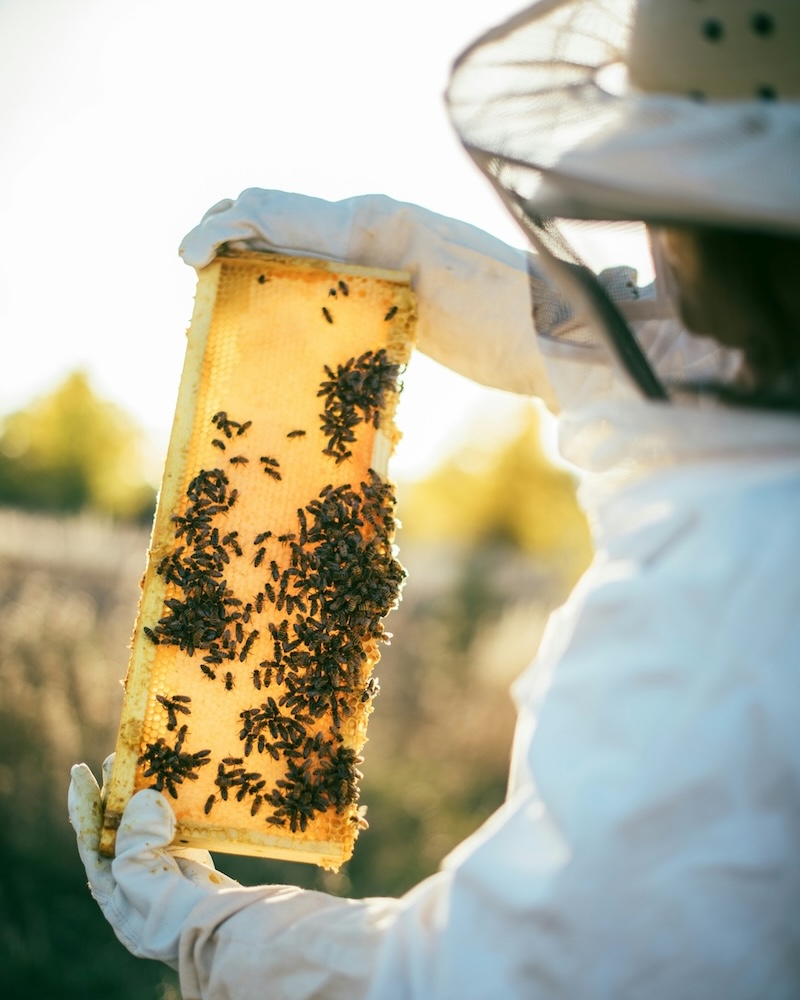
Stories painted on wood
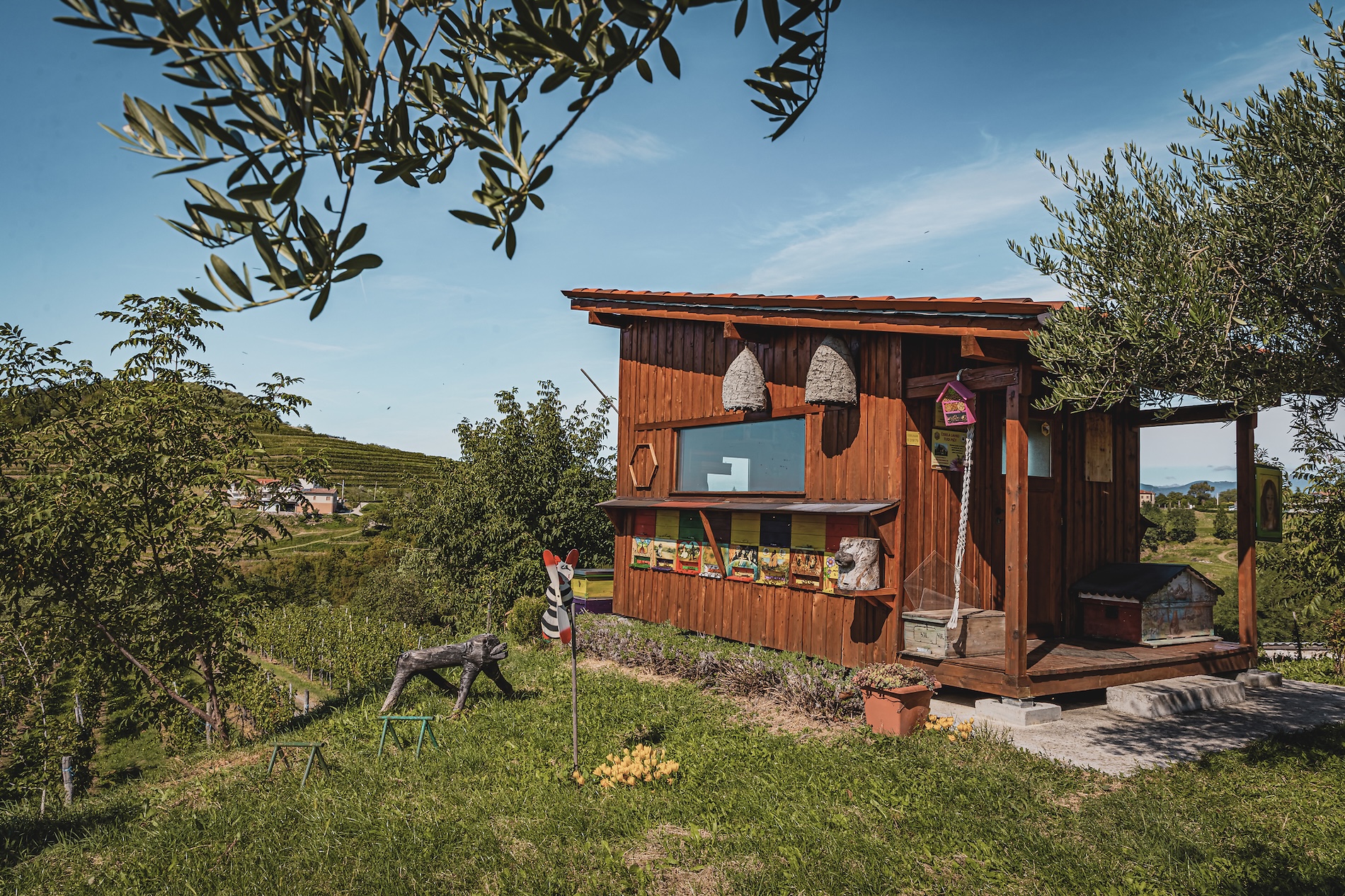
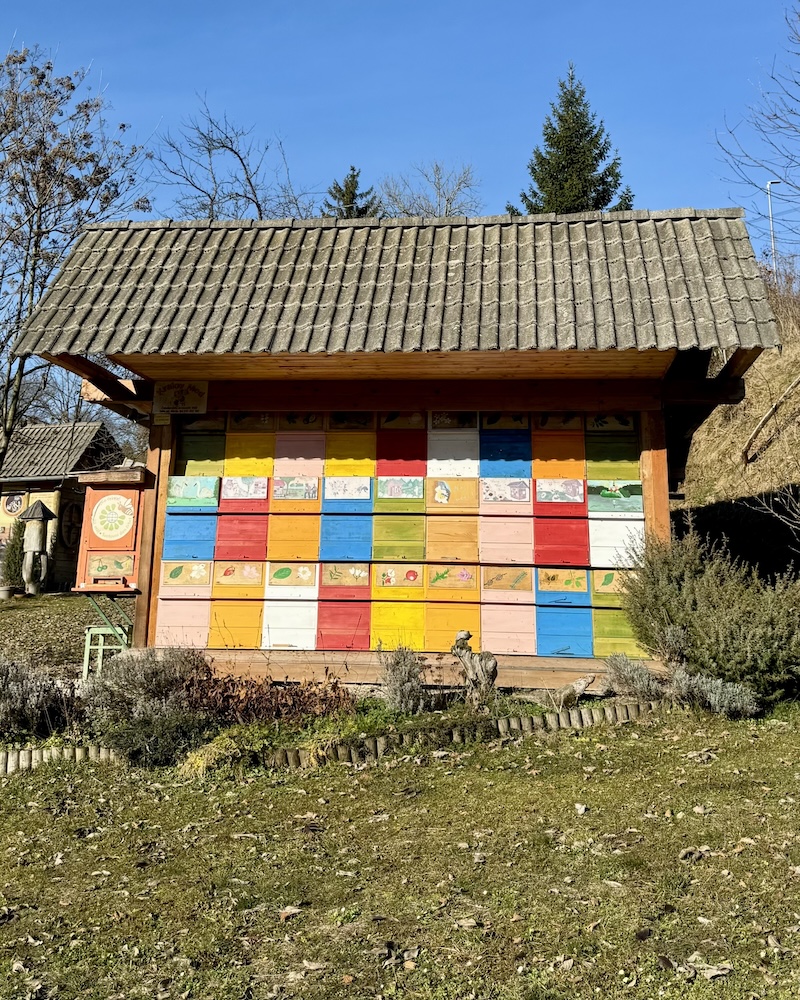
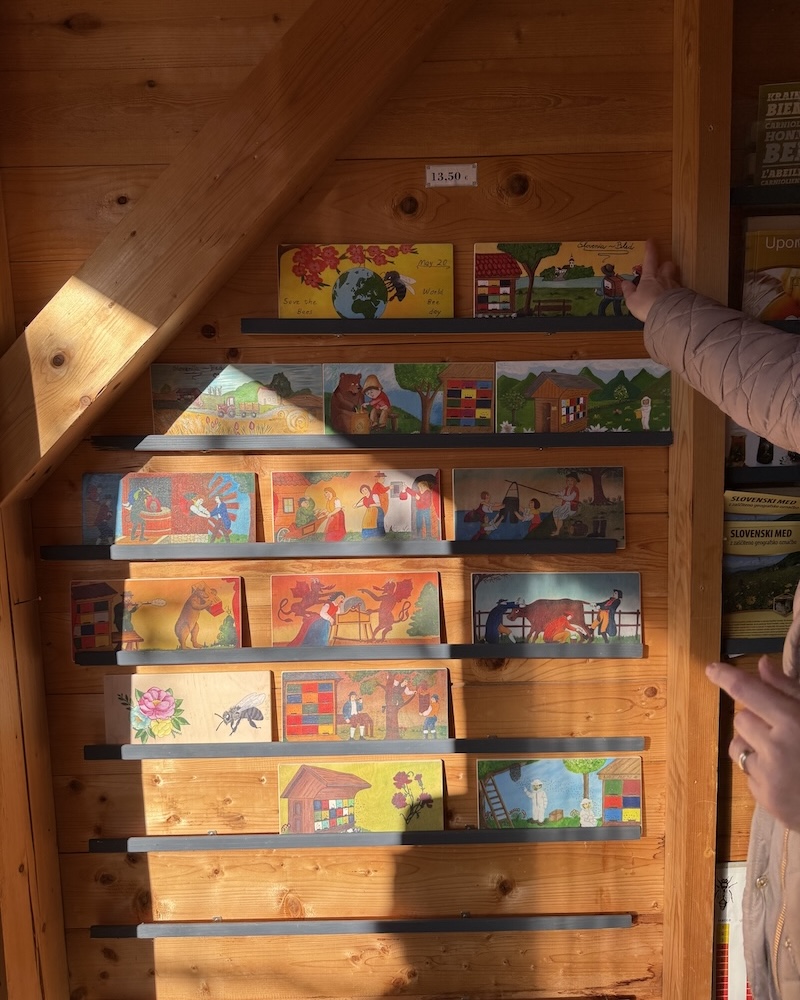
One of the most distinctive symbols of Slovenian beekeeping is found not inside the hive, but on its front. For generations, Slovenian beekeepers decorated the wooden panels of their beehives with hand-painted scenes. Some told biblical stories, others captured moments from everyday life, historical events or humorous tales that reflected the communities around them.
No two were ever quite the same. Originally, these colourful panels helped beekeepers recognise individual hives. Over time, however, they became something far greater. They turned into a unique form of folk art, preserving stories, beliefs and traditions that continue to offer a glimpse into Slovenia’s cultural heritage today.
Many of the original panels are now carefully preserved in museums and collections across the country, while the tradition itself continues to inspire contemporary artists and craftspeople.
A tradition that continues to grow
Although rooted in centuries of tradition, Slovenian beekeeping continues to evolve. Today, bees can be found not only in the countryside but also in towns and cities, where urban apiaries are becoming an increasingly familiar sight. At the same time, efforts to protect the Carniolan honey bee, Slovenia’s native honey bee, remain an important part of the country’s commitment to biodiversity.
While this tradition continues to shape everyday life in Slovenia, it has also gained international recognition. In 2022, Slovenian beekeeping was inscribed on UNESCO’s Representative List of the Intangible Cultural Heritage of Humanity. Yet perhaps the greatest measure of its importance is not UNESCO recognition, but the fact that it continues to be part of everyday life.
It lives on in traditions passed from one generation to the next, in children growing up understanding the importance of bees, and in a way of life that continues to value the relationship between people and nature. Sometimes the smallest stories reveal the most about a place. In Slovenia, all it takes is following a bee. If Slovenia has inspired your next journey, Journey2Slovenia can help you experience its nature, traditions and beekeeping heritage for yourself.
Image credits:
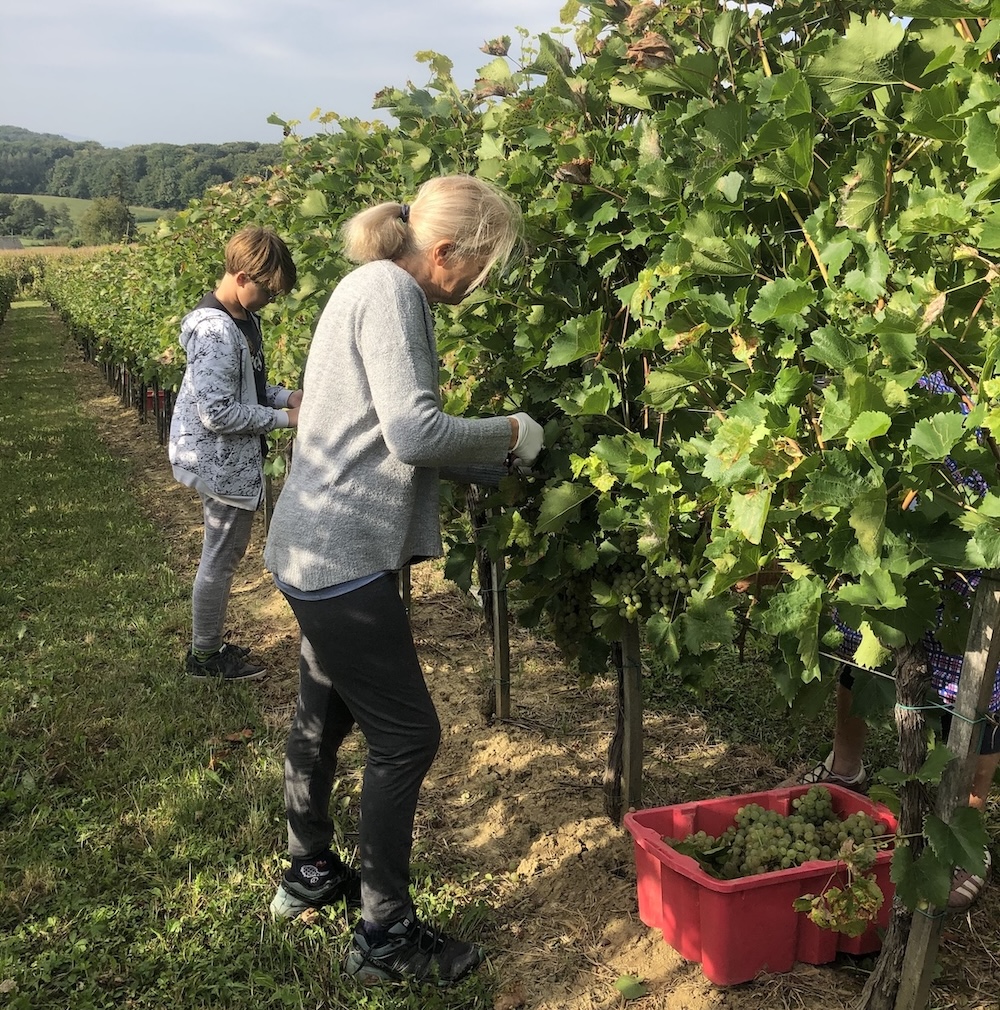
Second picture: I Feel Slovenia, Mediaspeed, Ernad Ihtijarevic
Third picture: I Feel Slovenia, CJ STUDIO d.o.o., Ciril Jazbec