Croatian illustrator and painter Maja Beus shares why looking beyond the obvious continues to shape both her life and her art…
Long before the first line is drawn on paper, every work of art begins with an idea. Sometimes it starts with a feeling. Sometimes with a place. Sometimes with a small detail that most people would simply walk past. An old doorway. The way someone carries themselves. The light falling across a familiar street.
For Croatian illustrator and painter Maja Beus, creating has never been about recreating what she sees. Whether she is painting a person, a place or a moment, she hopes to capture something deeper, searching for something quieter and more enduring: character, emotion and, perhaps, a glimpse of the soul.
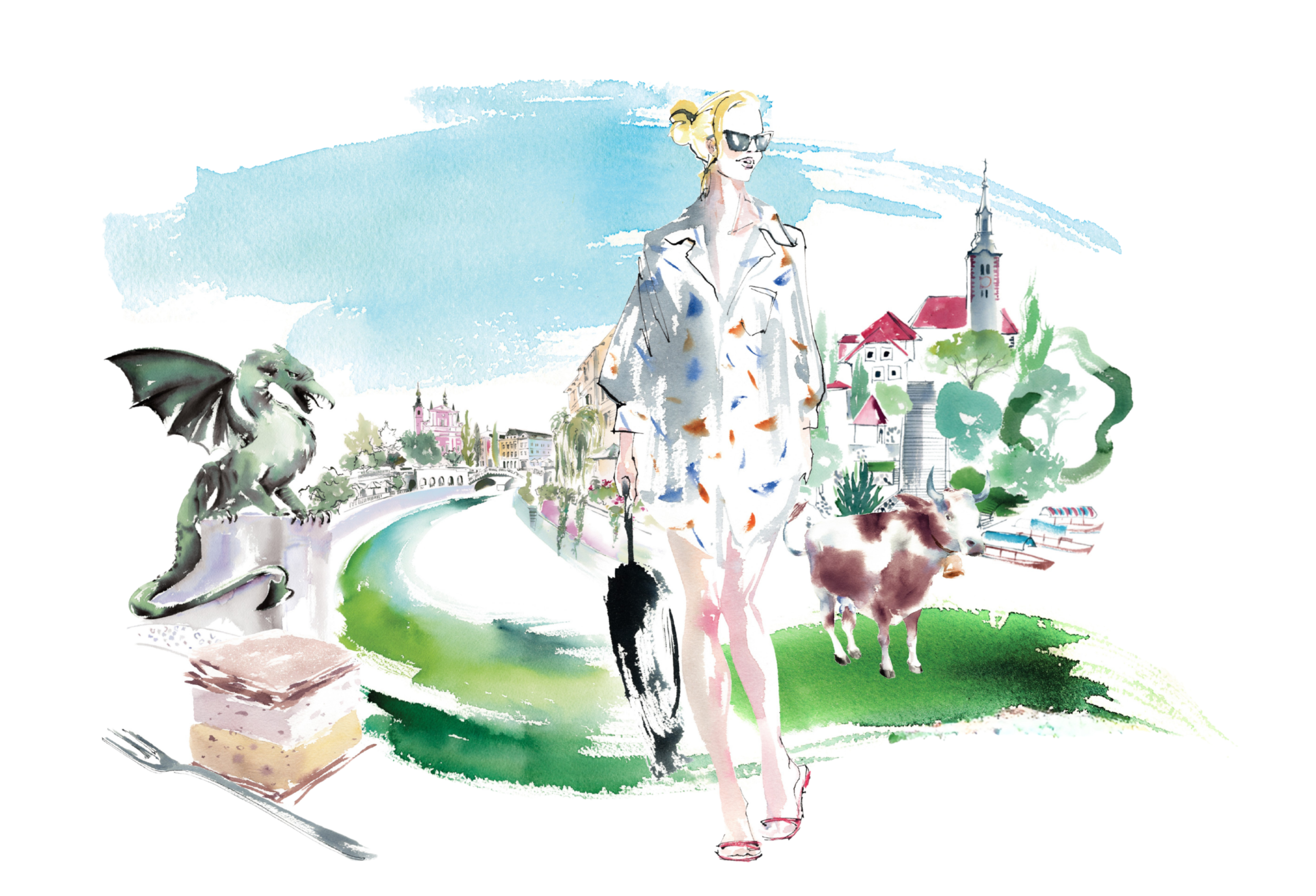
That is what brought us together. At J2Collection, we have always believed that every destination is shaped by the people behind it and the unique stories they have to tell. Those are the stories with soul. That vision was there from the very beginning: to create illustrations that feel like J2Collection and bring warmth to every story. As our ideas for each illustration took shape, Maya helped translate them into artwork that reflects the character, atmosphere and identity of Croatia, Slovenia and Montenegro.
We spoke with Maja about the journey that led her to art, the values that continue to guide her work, our collaboration on the J2Collection project, and why, even in the age of AI, people will always seek for the human behind the artist.
1. Before illustration became your profession, it was simply something you loved. Looking back, what first drew you to putting pencil to paper, and what made you keep coming back to it?
It is really hard to pinpoint a moment when one became the other. I have always drawn. I never left so I never could come back to it. What I needed to do though is let go of other professions and admit they are not an option for me. I needed to let go of the idea that I can be something else apart from an illustrator and a painter.
2. Every creative journey has a turning point. Was there a particular moment when you realised illustration wasn’t just something you enjoyed, but something you wanted to build your life around?
Near the end of my university days, I started working as a graphic designer at the Croatian newspaper Jutarnji list. I fully didn’t plan to graduate. I liked it there, my boss was good, people were nice and I was good at it. But one day I looked around and realised that if I stay there, this is what my life is going to be for years to come.
So I packed my bags, got a student visa (we weren’t in the EU at the time) for a six-month course in web design and left for London. There I worked part-time, lived in apartments with six other people and loved every minute of it. Twice a week I was taking life drawing classes, and at one of those classes it just clicked. This is it! This is all I ever wanted: to draw. Once that realisation set in, it was (almost) impossible not to turn my life in that direction.
3. You say that the purpose of both your work and personal life is honesty, simplicity and beauty. What do they represent for you today?
At one point in my life, I realised that when something is true, it can be applied as a principle to any other aspect of life and it will still hold true. I actually find this to be a good way of testing whether something is really true. Honesty, simplicity and beauty can be applied to any aspect of life and they will always hold. Be honest in your work. Always tell the full truth about yourself and the matter you are working on.
This applies to art, economics, science, teaching — you name it. Simplicity too: keep everything simple. Do not complicate things unnecessarily, do not overwork, and do not add things just to show off. The same goes for beauty. Whatever you are doing, you can do it in such a way that it reveals its beauty.
I recognise beauty when I see skilled craftspeople at work, showing decades of experience through the way they use their tools. I see it whenever someone respects both their work and the people they serve. Beauty is not just about images that please the eye. It is much deeper and far more important than that. The universe is beauty.
4. Before the first line appears on paper, what usually comes first for you – a feeling, a person, a place or a story?
It depends. It can be just one or all three. A lot of the time, it starts with a flash of an image in my head, and my process is to reveal it, both to the world and to myself. Other times, it’s about entering blind and letting a feeling lead me where it needs to. What comes can be a surprise to me too. And then there are times when I am my own AI model: I am given a prompt, and I let my brain pick and choose from my internal library to create something (at least partly) new.
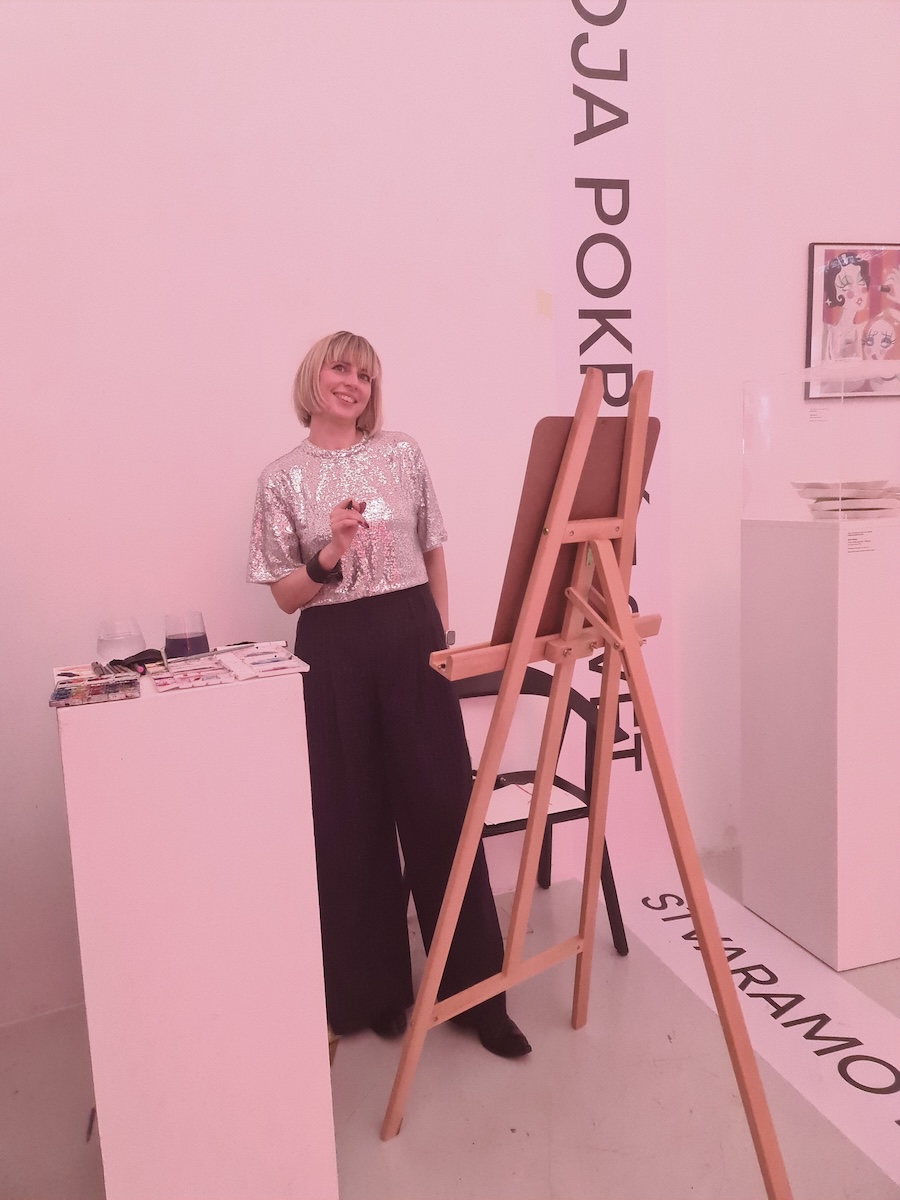
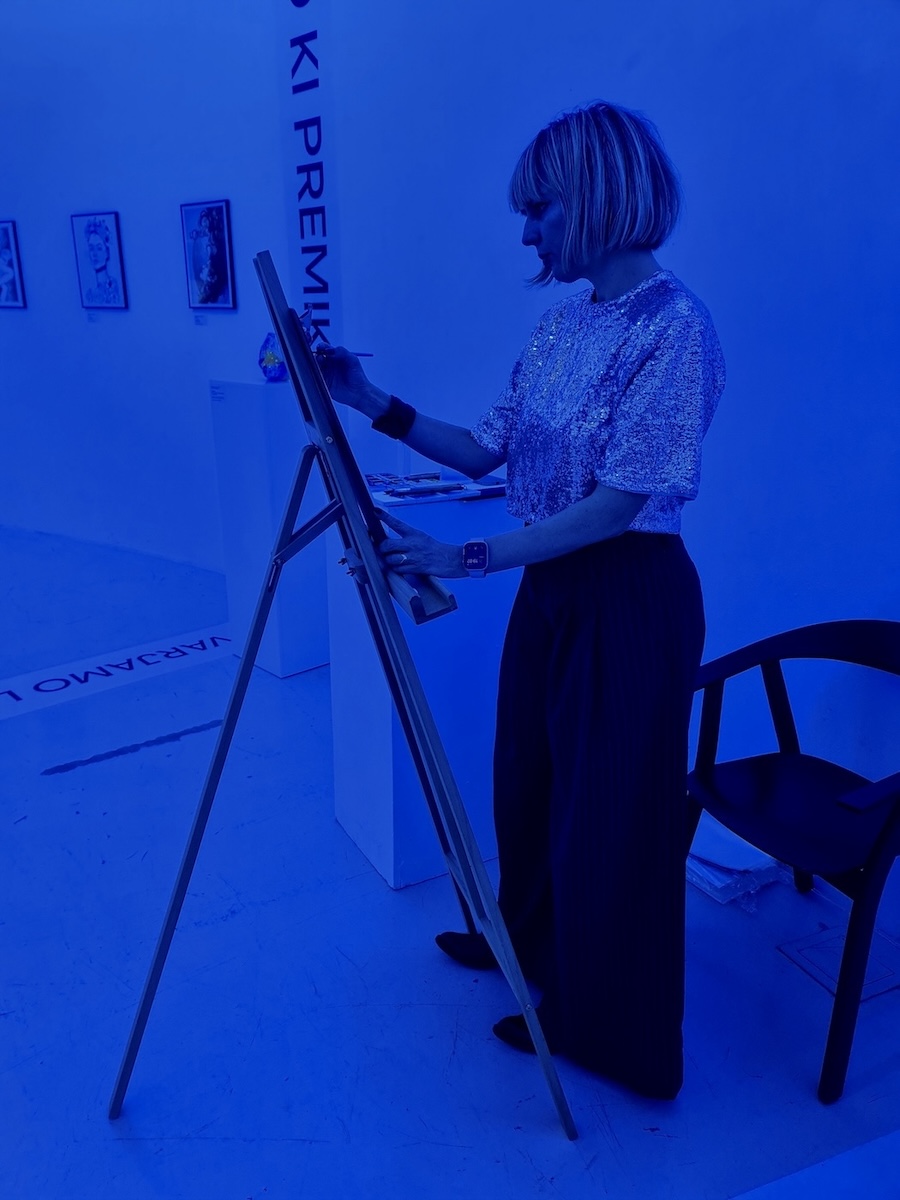
5. Your illustrations often capture much more than someone’s appearance. When you’re drawing a person, what are you hoping to reveal beyond what we can see?
I hope I can translate and express some of their true essence, of who they truly are. Not everything, because each person is a universe, but certainly a small glimpse of the soul. A quick peek behind the mask.
6. Some people leave an impression through words, others through a smile, a gesture or the way they carry themselves. What tends to catch your eye first?
The first thing I notice is the vibe. There is so much of a person in their vibe. The next thing I look at is how they dress.
7. Has there been a person, place or experience that shaped your artistic voice without you even realising it at the time?
I don’t have a good answer to this. This interview has been waiting since this morning for me to answer this question, and I still don’t have one. ☺
8. After more than ten years of illustrating professionally, what has this journey taught you about yourself beyond the craft?
This is one of the hardest questions I have ever been asked in an interview. I love it! It has taught me that life has its seasons and that, no matter what you do, you cannot always control the outcomes. The sooner I accept this, the less painful life becomes.
It has also taught me that what is mine will never miss me, and what isn’t mine cannot be forced to me by any means. At the same time, neither life nor success will simply come to me. I need to go to them. So both life and illustration end up being a cycle of exposing myself, wanting, asking for things, and then accepting what is or isn’t mine.
9. Not every day feels equally creative. On the days when ideas don’t come easily, what usually brings you back to drawing?
There is a quote, often attributed to Picasso, that says: “Inspiration exists, but it has to find you working.” This has been my motto for decades. I make sure to put in the hours, and I am rewarded with an almost perpetual stream of ideas and possibilities.
In any creative work, it is also important not to be afraid to suck. You cannot be too precious about your work. It is okay not to be at your best every single day.
10. With AI making it easier than ever to generate images, what do you think will always set human hand apart?
I have said this since the beginning of AI, and I still stand by it: AI art will never replace traditional art, not because it’s bad (and it still is), but because people love people and care more about the artist than the art. It’s the same reason we can’t stop appreciating the work of artists who are objectively bad people.
It’s also why some people create extraordinary art but never find an audience, while others create mediocre art and attract millions. People care about the artist. And AI is no one. It can imitate being a person. It can be coded in such a way that we anthropomorphise it, but we know there is no one there. That is why it feels empty, no matter how “good” it may seem at first glance.
Photography is proof of this. It was supposed to be objective and hyper-realistic, but it isn’t. We care about how certain photographers see the world through the camera, not what the camera itself sees. We want them to show us their world, to show us themselves. People love people.
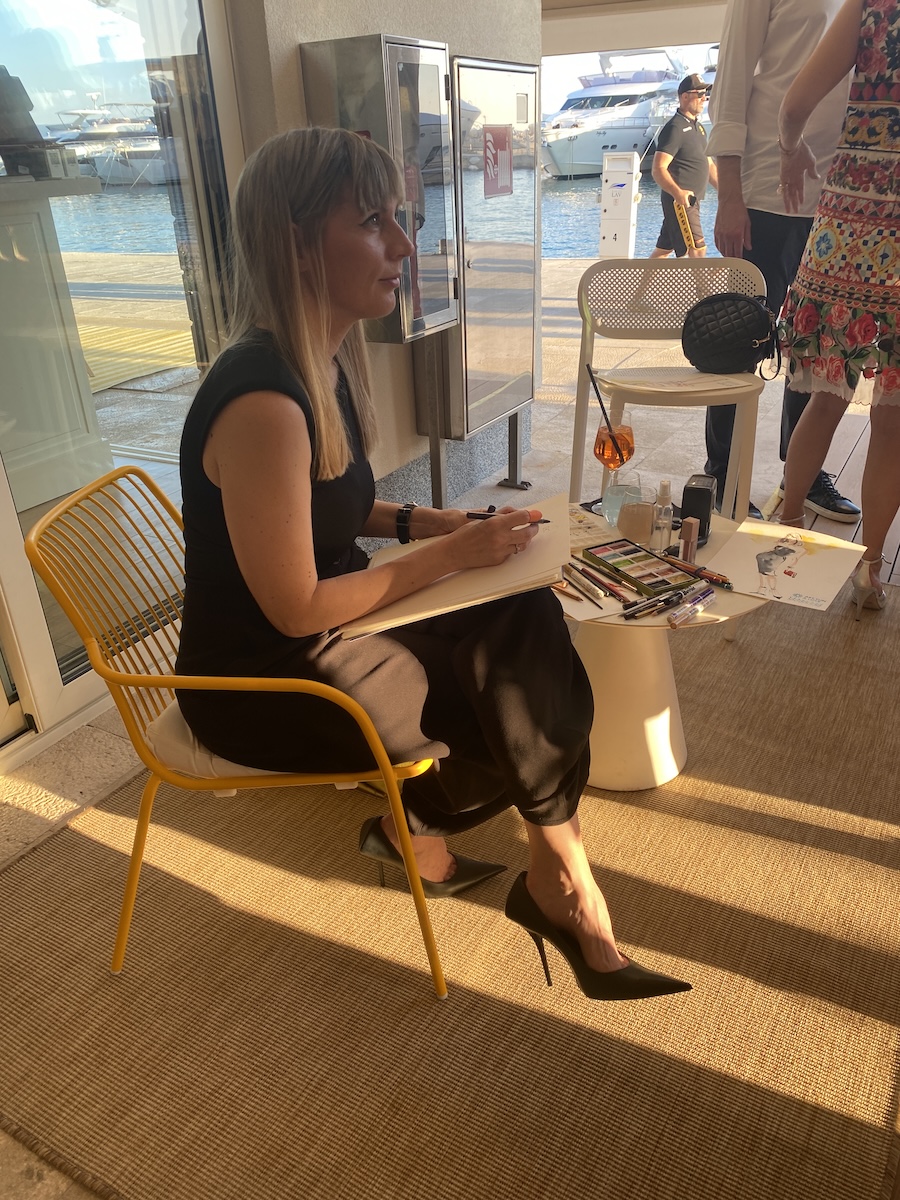
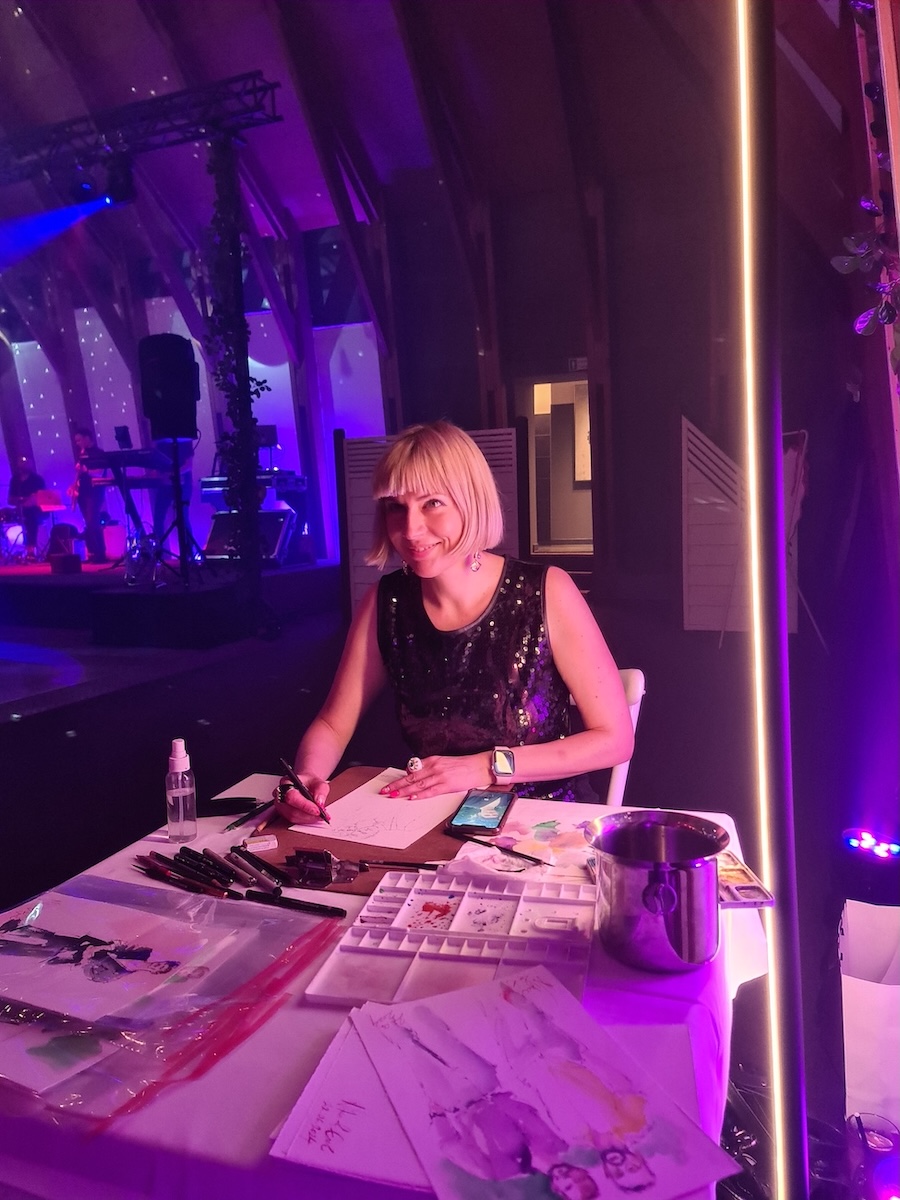
J2Collection collaboration…
11. J2Collection brings together stories from Croatia, Slovenia and Montenegro, each with its own character. What was it like collaborating with us to translate those stories, ideas and visual details into illustrations?
J2Collection founder Ivana came to me only once she had a clear vision of what she wanted, and that made the process much smoother and faster. Some of the illustrations came easily, and we achieved what we wanted very quickly. Others required a bit more tweaking. For me personally, this was a great learning experience in truly listening rather than projecting what I believed someone meant.
12. Was there one illustration from the J2Collection project that became favorite to you? What made it stand out?
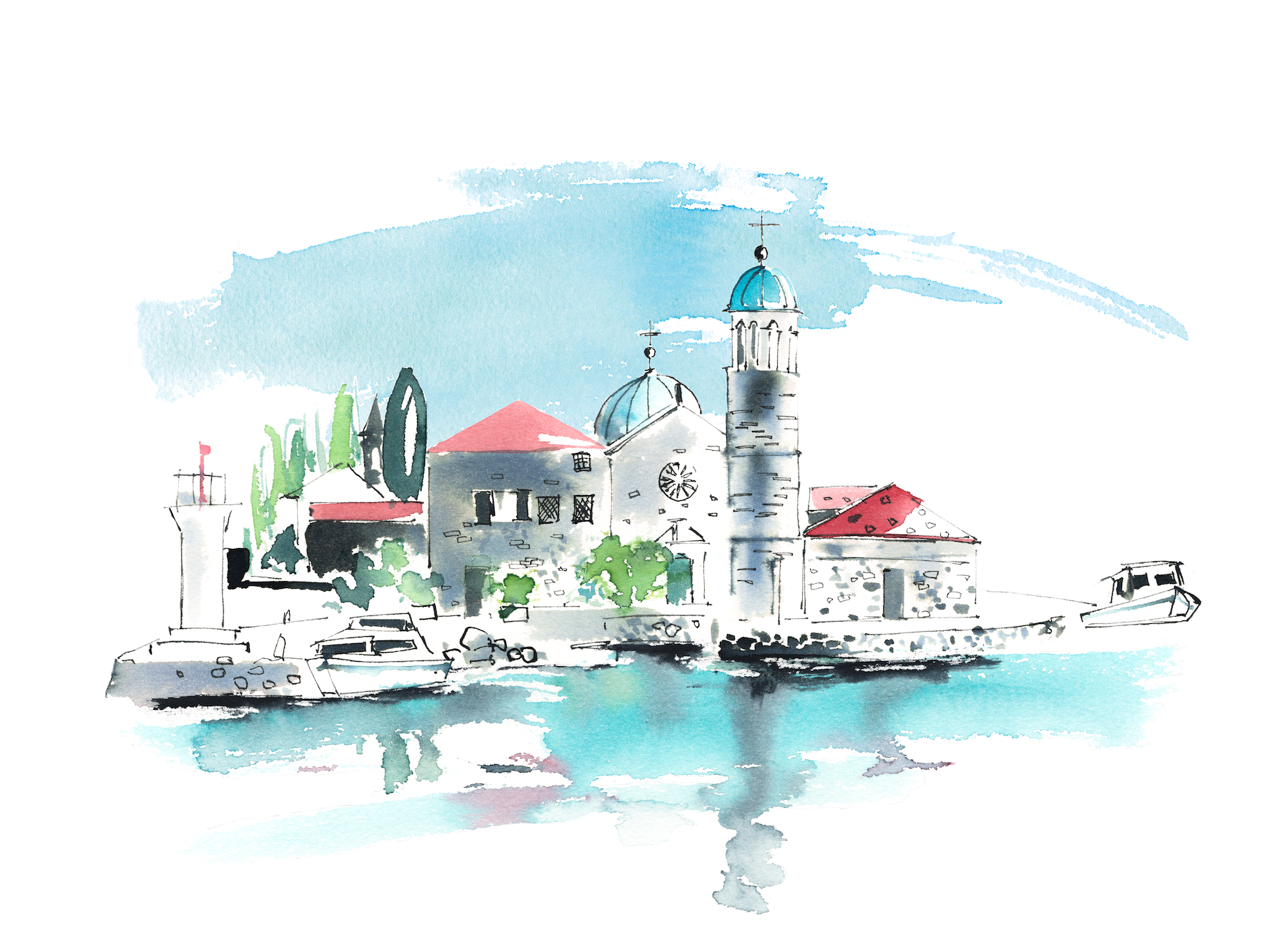
I love, love, love how I painted Bled, Kotor and Our Lady of the Rocks in Montenegro. They are literally my template for how I want all my future urban and landscape illustrations to look and feel. They are representative, relaxed, simple, modern, and have a strong visual language.
13. If someone discovered your work for the very first time today, what would you hope they remember, not just about your illustrations, but about the person behind them?
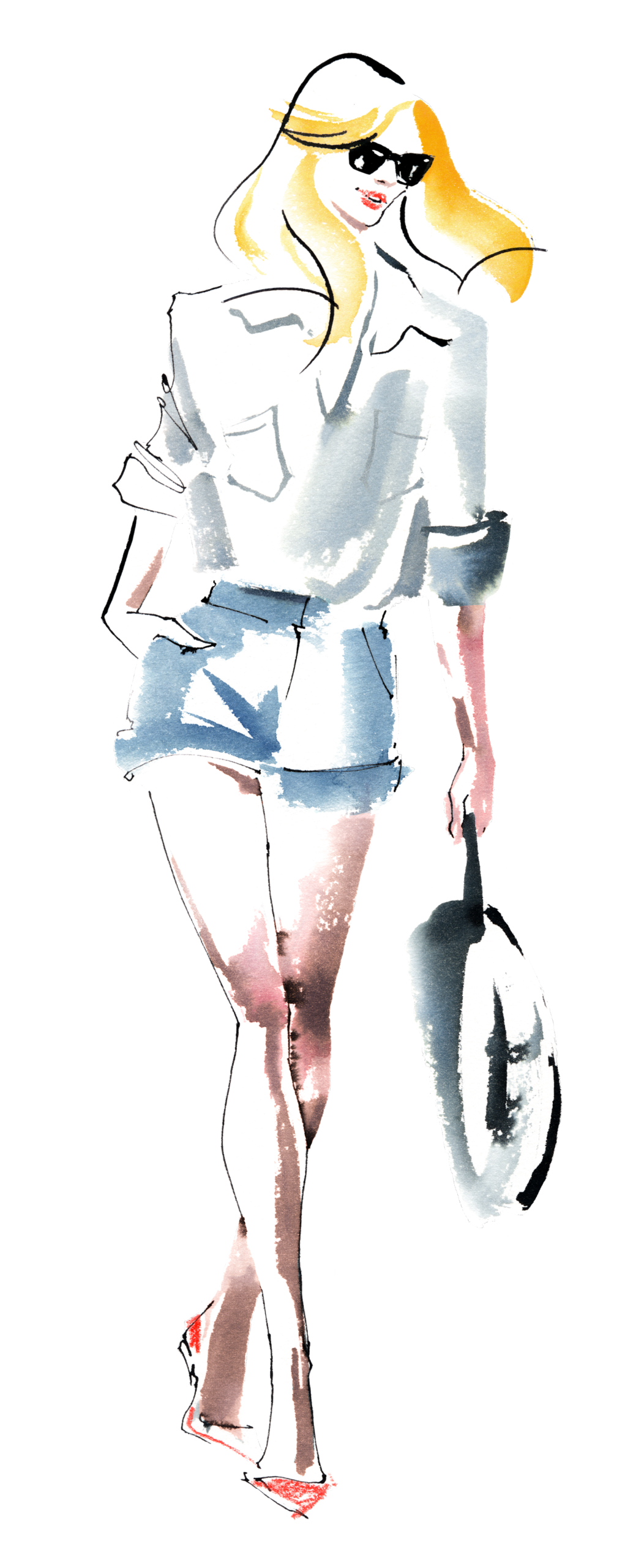
I hope my illustrations inspire joy and curiosity, delight the senses, and encourage people to look a little deeper and a little longer at the scene, whether it is a face, a fashion figure or a cityscape. I hope they make people pause, take a moment, and really look beyond the obvious.
Most of all, I hope they leave people with the feeling that the person behind the images genuinely likes them and wants to show them how beautiful life truly is.
Looking Beyond the Obvious
After speaking with Maja, it becomes clear that great art is rarely about what we see alone.
Whether she is painting a portrait, illustrating a destination or creating something entirely new, Maja is always searching for something deeper. A feeling. A memory. A glimpse of the soul.
It is also why she believes that no technology will ever replace the artist behind the work. People do not connect only with the art itself. We may admire the finished piece, but what truly draws us in is the person behind it.
In the end, perhaps that is what art has always been about. Not only what we see on the page, but the person who invites us to see the world see the world through different eyes.
A few final notes…
- Coffee or tea?
Coffee anyday, 3 times a day - Sketchbook or digital?
Sketchbook - Morning or evening creativity?
Morning, I am useless past 8 PM - Sea or mountains?
Sea, not necessarily to swim in, I just like to be near it - Music or silence while drawing?
Audiobooks and podcasts - One city from our region you could illustrate forever?
Neither and every, what I like most is illustrating people in context - A detail you always notice when meeting someone for the first time?
How they dress. Not the brands, but how they put themselves together. It says a lot about the person - One word that describes your work?
Strong - One word that describes you?
Curiosity - Finish the sentence:
Beauty is… everywhere.
Every story begins with… an openness to something new that will happen.