Alkar Filip shares his perspective on the Sinjska Alka, horses, and the tradition that has shaped his life…
Long before the first horse reaches the track, Sinj begins to change. The cafés grow busier. Families return home, while the unmistakable sound of horses echoes through the narrow streets.
For those who grew up here, the Sinjska Alka is never simply an event on the calendar. It is part of childhood memories, family conversations around the dinner table, and stories passed from one generation to the next. Some remember watching from a grandfather’s shoulders, others dream of one day taking part in it too.
For more than 300 years, the Sinjska Alka has been at the heart of life in Sinj. Held every year on the first weekend of August, the knightly tournament commemorates the victory over the Ottoman army during the Siege of Sinj in 1715. This year, the event celebrates its 311th edition.
For Filip Vucemilo, that dream quietly became reality. Raised in a family where Alka is part of life—his father once served as an alkarski momak, one of the trusted men who accompany the Alkars throughout the competition— for Filip, the Alka was never something to discover. He inherited it.
Today, after years of dedication, training and patience, he rides as one of the Alkars himself, carrying not only a lance, but a tradition recognised by UNESCO as part of the world’s Intangible Cultural Heritage.
We met Filip to talk about growing up alongside one of Croatia’s oldest living traditions, what visitors rarely see beyond the spectacle, and why, after all these years, the Alka still has the power to move an entire town.
1. Was becoming an Alkar always something you imagined, or did it happen gradually?
Honestly, when you grow up in Sinj, becoming an Alkar is something almost every boy grows up dreaming about. I was connected to it from an early age because my father Frano was an alkarski momak, so the Alka was always part of our family and everyday life. In a way, I grew up with it, so becoming an Alkar always felt like the natural path for me.
Of course, it doesn’t happen overnight. You slowly work your way through different roles and responsibilities until you earn your place in the procession and, eventually, in the competition itself. As a debutant, I served as the Duke’s adjutant, and for the past three years I have been competing as an Alkar lancer. This year will be my fourth Alka.
2. When someone watches the Alka for the first time, what do you hope they see beyond the ride itself?
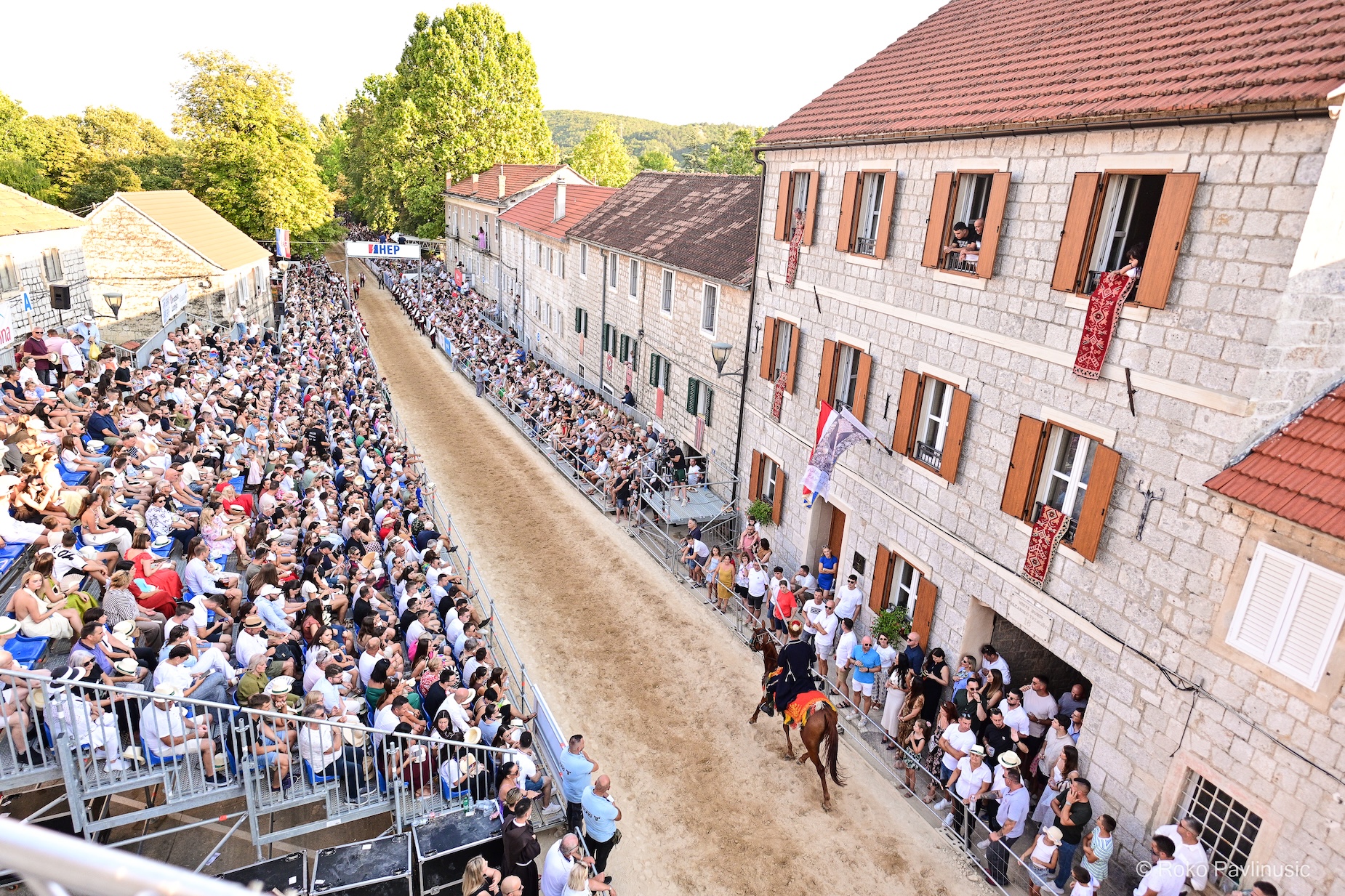
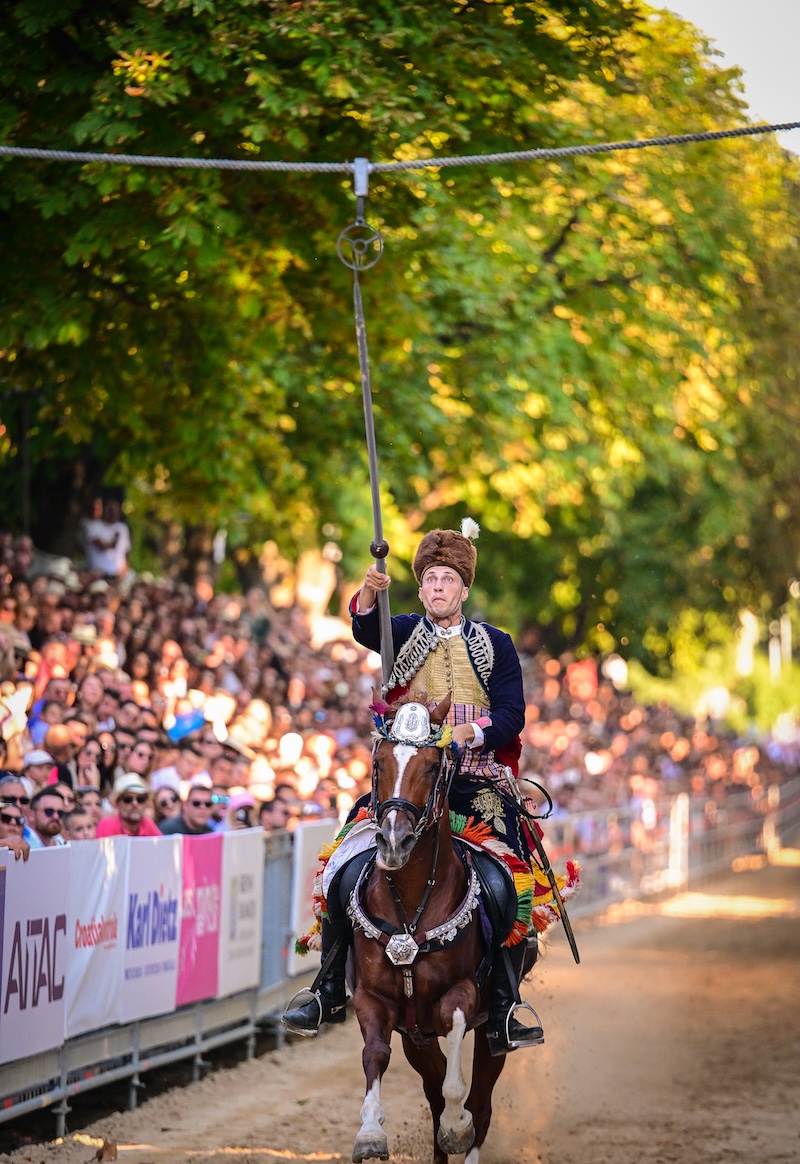
I think what surprises people most is how much happens before those few seconds on the track and also how much precision the Alka actually requires. The Sinjska Alka is a knightly competition where Alkars ride horses in full gallop along a specially prepared track on the main road through Sinj, leading towards the town centre, and try to hit the Alka, a small iron ring suspended above the track, using a wooden lance.
The challenge is not only hitting the ring, but also reaching it within the prescribed time while maintaining the proper knightly posture throughout the run. The ring is worth one, two or three points, depending on where you hit it, while the very centre, “u sridu”, brings the highest score. It is also possible to miss completely “promasio”, or even knock the ring off without scoring, which we call “u nista”.
The winner is the Alkar who collects the most points over three rounds. Everything happens in just a few seconds, but those few seconds depend on precision, focus and, above all, the partnership between the Alkar and his horse.
3. The procession is one of the most recognisable parts of the Alka. Who are the people who bring it to life?
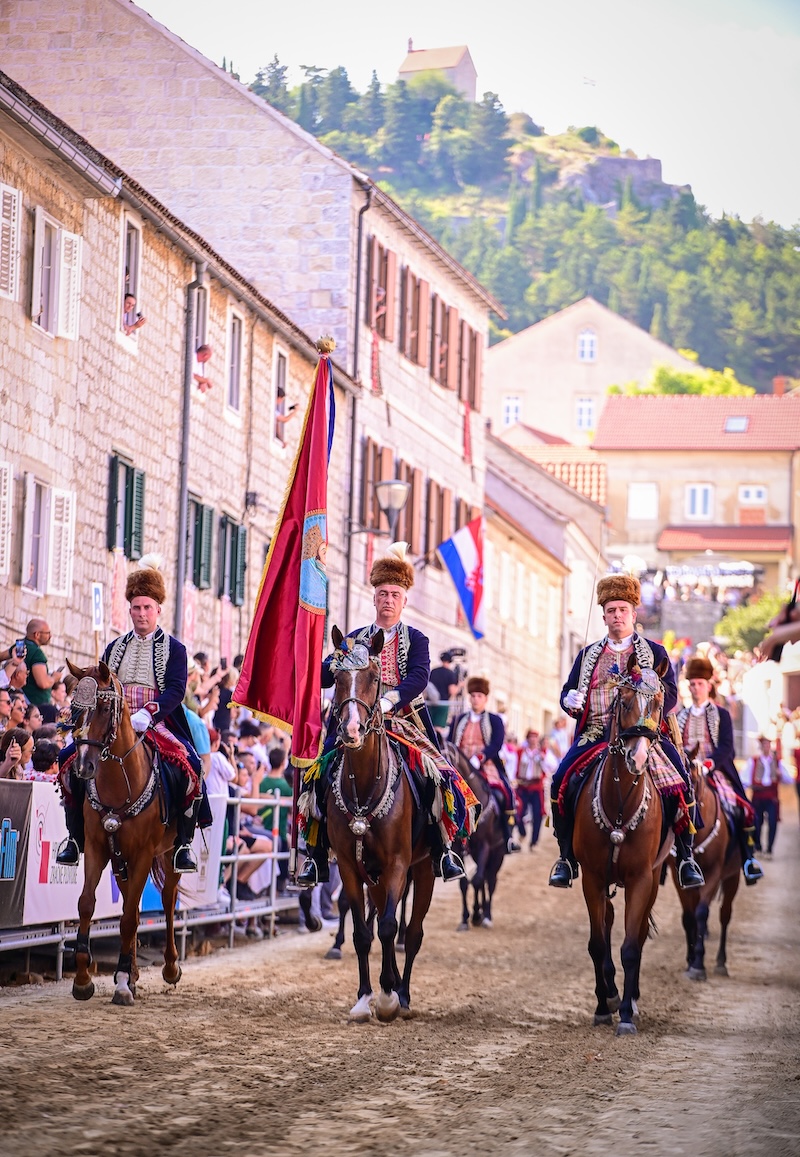
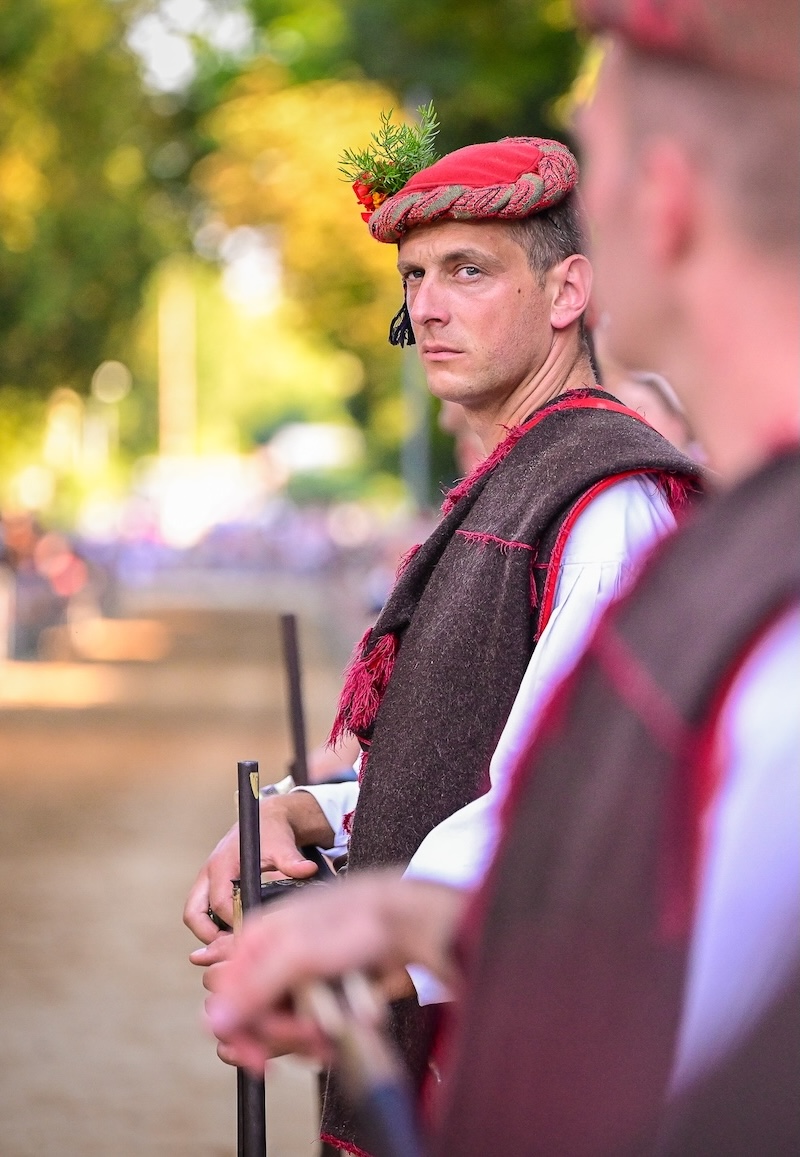
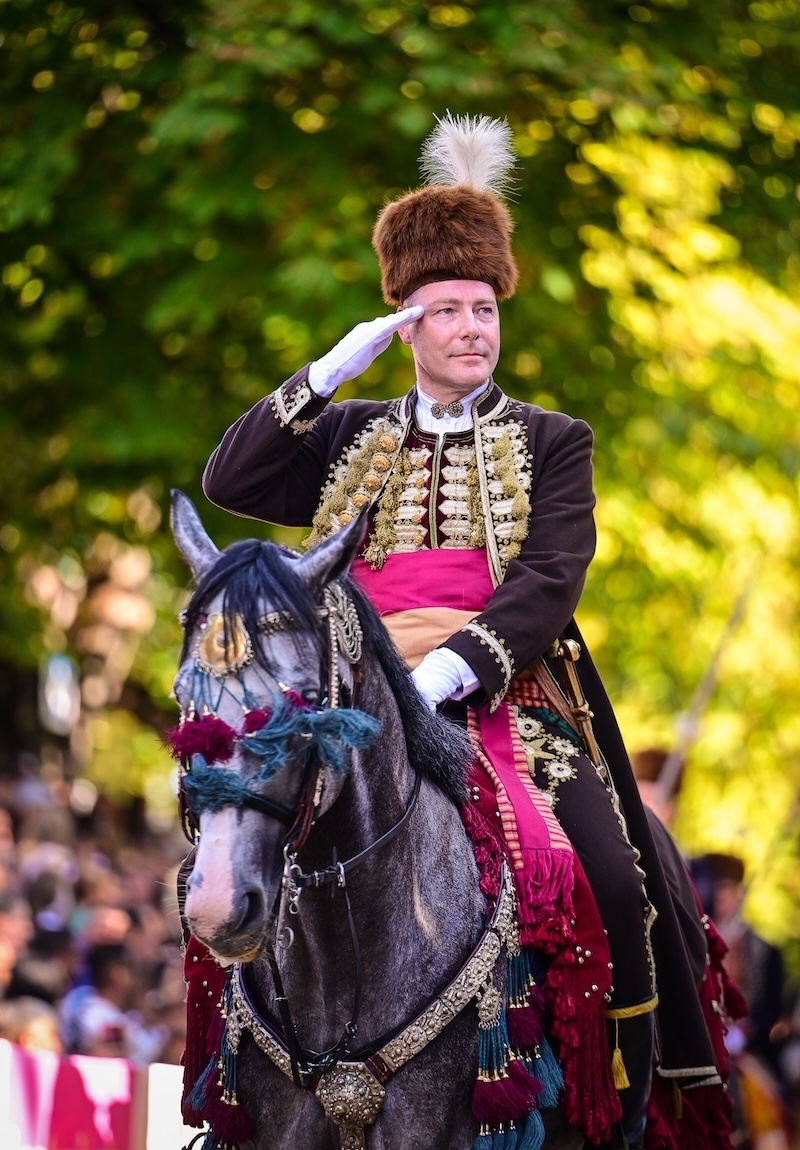
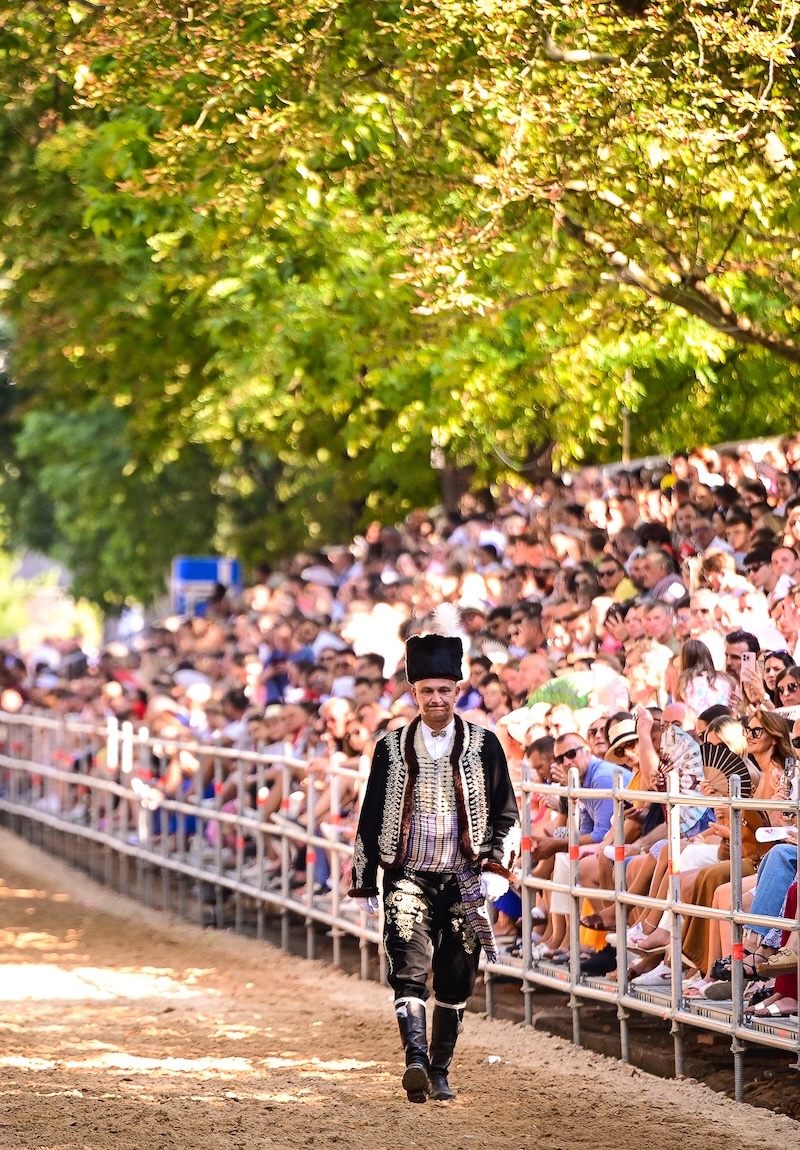
The procession is a big part of the tradition, and everyone in it has their own role and meaning. Alongside the Alkari kopljanici (lancers), there are the Alkarski momci (squires), the Vojvoda (Duke) as the highest ceremonial figure of the Alka, the Alajcaus (Troop Commander), who commands the Alkars, and the Arambasa (Chieftain), who leads the squires. The procession also includes the flag bearer, mace bearers, the Alkars accompanying the flag, drummers and the local brass orchestra marching through the town.
One participant everyone especially loves is the Edek, a riderless horse that represents the captured horse of the Ottoman Pasha after the Battle of Sinj in 1715. During the procession, it is always led by two squires and never ridden.
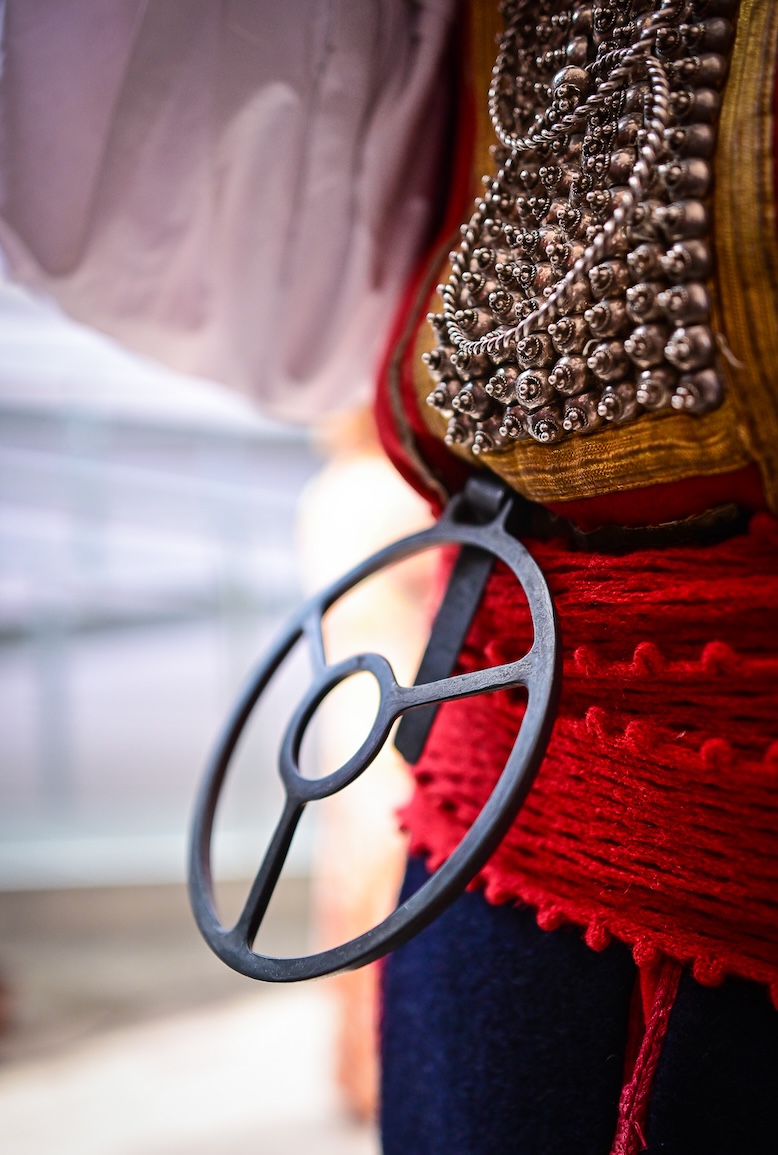
The Edek carries some of the most valuable equipment in the procession, while the original Pasha’s saddle is still preserved today in the Sinj Alka Museum. One of its most distinctive details is the pair of metal stirrups, shaped like the Alka ring itself.
4. What are your earliest memories of the Sinjska Alka?
Some of my earliest memories are from the first time I came to the track. I was only two years old when they put me on an Alkar horse for the first time, and even then it felt special. From that moment on, I could not wait for the Alka every year, to watch the procession and cheer for the Alkars.
I also always loved horses, so I started riding and training as soon as I was old enough. As children, we helped the Alkars however we could, looked after the horses, and spent the rest of the year looking forward to Alka week coming around again.
5. The Alka is much more than just one tournament. How does Sinj change once Alka week begins?
During Alka week, Sinj feels completely different. The town comes alive with people, celebrations, cultural events and a real sense of excitement. Mackule (ceremonial cannons) are fired from the Old Town Fortress throughout the week, but especially during the Alka days, when they echo across the town after every “u sridu”.
On the day of the Alka, the local brass orchestra marches through the streets, while another long-standing tradition is the Duke’s carriage passing through the town. On the Duke’s behalf, his adjutant formally invites the town’s civil, church and military authorities to the Sinjska Alka. From the early morning onwards, the whole town is filled with music, horses and people, and you can really feel that everyone is part of it.
6. Before the Alka comes Bara and Coja. What do those days mean to the people of Sinj?
Bara and Coja take place before the Alka and are often seen as its overture. They follow the same rules as the Alka itself, but unlike the main tournament, the Alkars do not wear their traditional ceremonial attire.
Even though the results of Bara and Coja do not count towards the Alka, they are a very important part of the preparations and the final chance to test both horse and rider before the main competition. For us, that is when the excitement really begins. By the time Sunday arrives, the whole town has already been living and breathing the Alka for days.
7. What does Alka day look like for you before you even reach the track?
Alka day always begins at home. Once we are dressed and ready, we gather with family and friends for a traditional lunch before heading out. The table is filled with local food like cheese, prosciutto, uštipci and arambaši, a protected traditional dish from the Sinj region made with minced beef, pork and spices wrapped in sour cabbage leaves. There is always homemade wine and a great atmosphere in the house.
After lunch, we head to the hippodrome to prepare our horses before gathering with the Alajcaus and later with the Duke at the Alkarski Dvori. That is where the full Alka procession comes together before riding through the town and across the main square towards the track.
8. Looking back, is there an Alka—or a moment during Alka week—that has stayed with you the most, and why?
The Alka that has stayed with me the most is definitely my first one as a debutant. I had a really good result and even hit the centre, “u sridu”, so the excitement and happiness were incredible.
Another moment I will always remember was my first Alka as the Duke’s adjutant. One of the most important parts of that role is presenting the final results to the Duke and bringing forward the winner, known as the slavodobitnik. It comes with a lot of responsibility, especially the first time you do it, and that is probably why it has stayed with me ever since.
9. What goes through your mind in the moments before the run?
Mostly, I’m thinking about whether everything is ready the way it should be, trying to settle my emotions and stay focused. I just want everything to go well and to do the best I can.
There is no better feeling than seeing the Alka with the “u sridu” on my lance after the ride and hearing the mackule fired after my round.
10. What are some of the biggest challenges that can influence a run?
Every run is different. It never depends only on the Alkar, but also on the horse. Every horse has its own character, and if you are riding a younger or less experienced one, it still needs to learn how to keep a steady pace, stay calm and run straight throughout the track.
A lot of things can influence the run, from how the horse feels on the day to the weather, the wind and the sun. Even the condition of the track makes a difference. If the sand is drier or wetter after rain, it affects the horse’s gallop and, in the end, your precision when aiming for the Alka.
11. What makes the partnership between an Alkar and his horse so important?
It is probably one of the most important parts of the Alka. The relationship between an Alkar and his horse is built on trust, but it is just as important that they suit each other. Every horse has its own character, temperament and way of going, just as every Alkar has his own style, so finding the right partnership can make a big difference.
Preparations begin months before the Alka, first through conditioning across the Sinj field and surrounding countryside, but also by riding through the town and along the roads so the horses become familiar with the procession and everything happening around them.
A few weeks before the Alka, training shifts to the track, where the focus is on speed, precision and using the lance during the run. Those preparations are just as important for the horses as they are for the Alkars.
12. If someone is visiting Sinj for the first time, what do you hope they take away from the Alka beyond the tournament itself?
I would always recommend visiting the Sinj Alka Museum. It gives you a much deeper understanding of the history, the people and everything that stands behind the tournament itself.
Once you understand what the Alka represents, you stop seeing it as just a competition. You begin to understand why it means so much to the people of Sinj.
A Tradition That Lives On
After speaking with Filip, it becomes clear that the Sinjska Alka is about far more than a few seconds on the track. Behind every ride are years of dedication, months of preparation and a tradition passed from one generation to the next.
That is why Alka week feels so special in Sinj. It is not something people simply watch, but something the whole town lives together. Once the winners are announced, the doors of the winner’s family home remain open to everyone. Locals, friends and visitors gather to congratulate the winner, share stories, food and music, and celebrate together late into the evening.
It is this openness and sense of community that make the Sinjska Alka more than a tournament. It is a tradition that continues to bring people together, year after year.
Photography by Roko Pavlinusic. If the Sinjska Alka has inspired your next journey, Journey2Croatia can help you experience Croatia’s traditions, heritage and unforgettable local stories for yourself.
A few final notes…
- Bara or Coja?
Both, but maybe Coja - Morning preparations or evening celebrations? Both have their own charm. Each part of the day feels special in its own way
- One word that describes Sinj during the Alka?
Tradition - Favourite part of the Alkar attire?
The krozet, the traditional vest - Tradition or adrenaline?
Both - A sound that instantly reminds you of the Alka?
The sound of the spear hitting the Alka, that sharp click - Describe the Alka in three words.
Tradition, love and honour - Do you sleep well the night before the race?
Yes - One thing visitors are always surprised by?
How much the whole town lives for the Alka