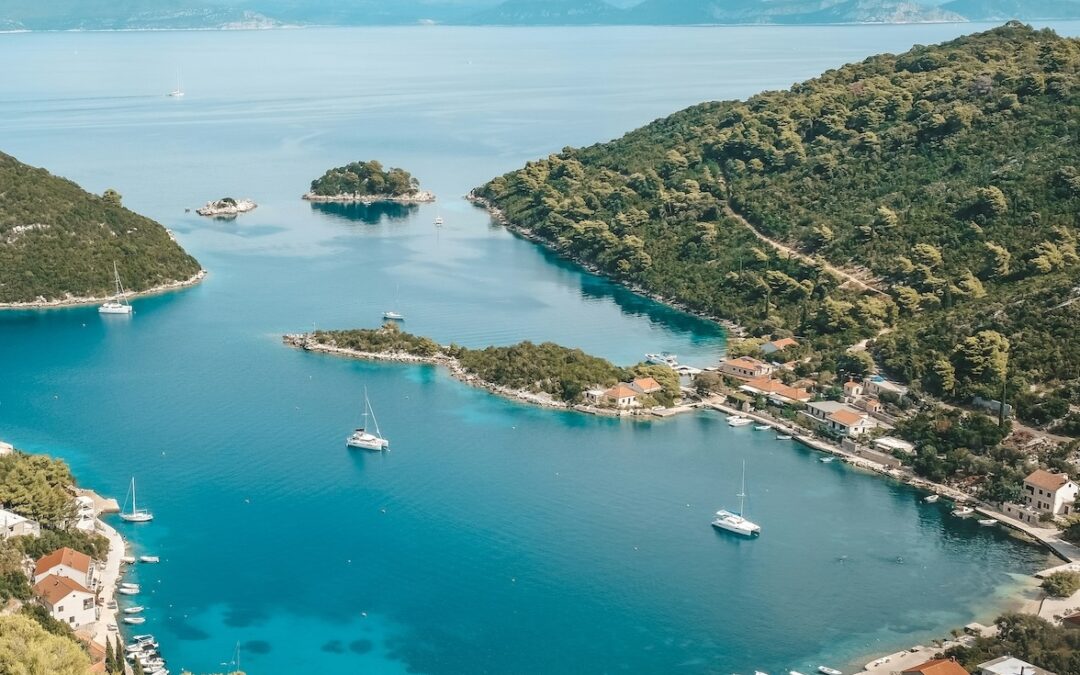
The largest of the Elafiti Islands
Most people know Sipan for only one reason. More than a million olive trees grow across the largest of the Elafiti Islands, earning it a place in the Guinness World Records for having the highest number of olive trees in relation to its size and population. But numbers rarely tell the whole story. To understand Sipan beyond the record, we spent time with Nikola, who has called the island home all his life.
Instead of statistics, he shared memories. Instead of landmarks, he spoke about traditions, family stories and the quiet details that reveal what life on Sipan has always been about.
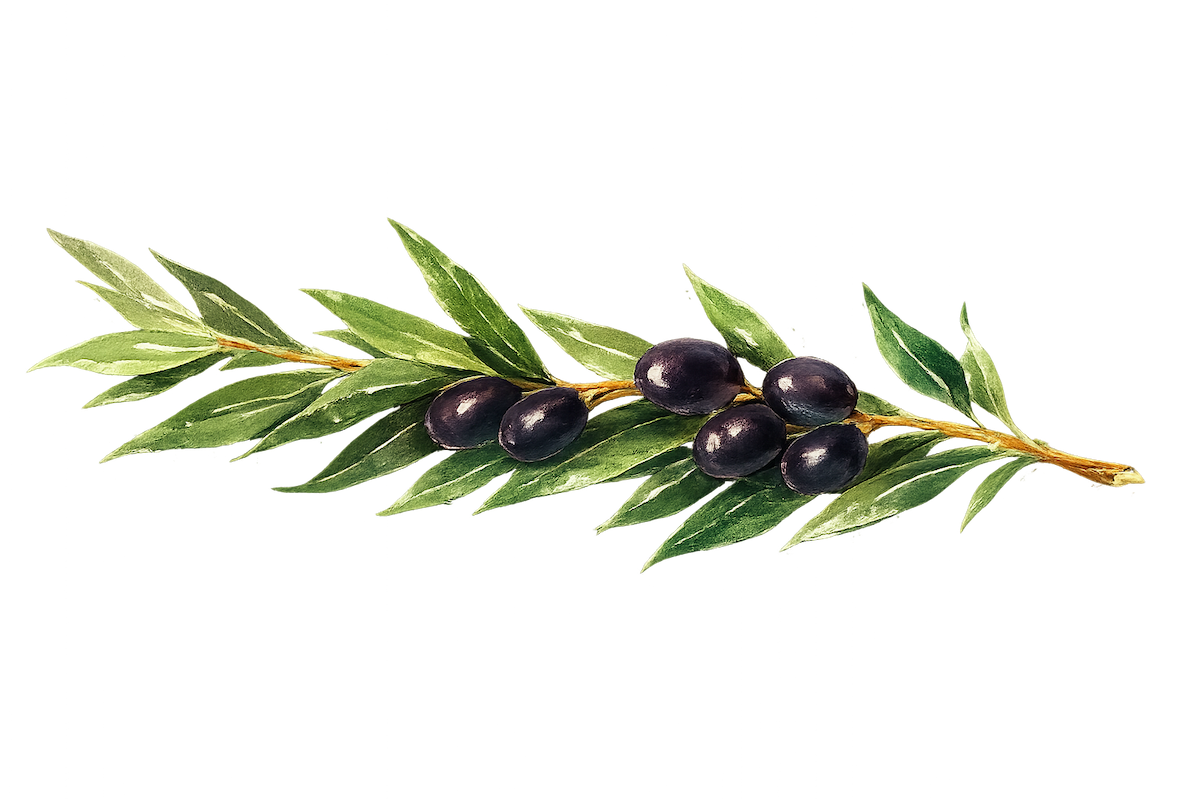

Among the Olive Trees
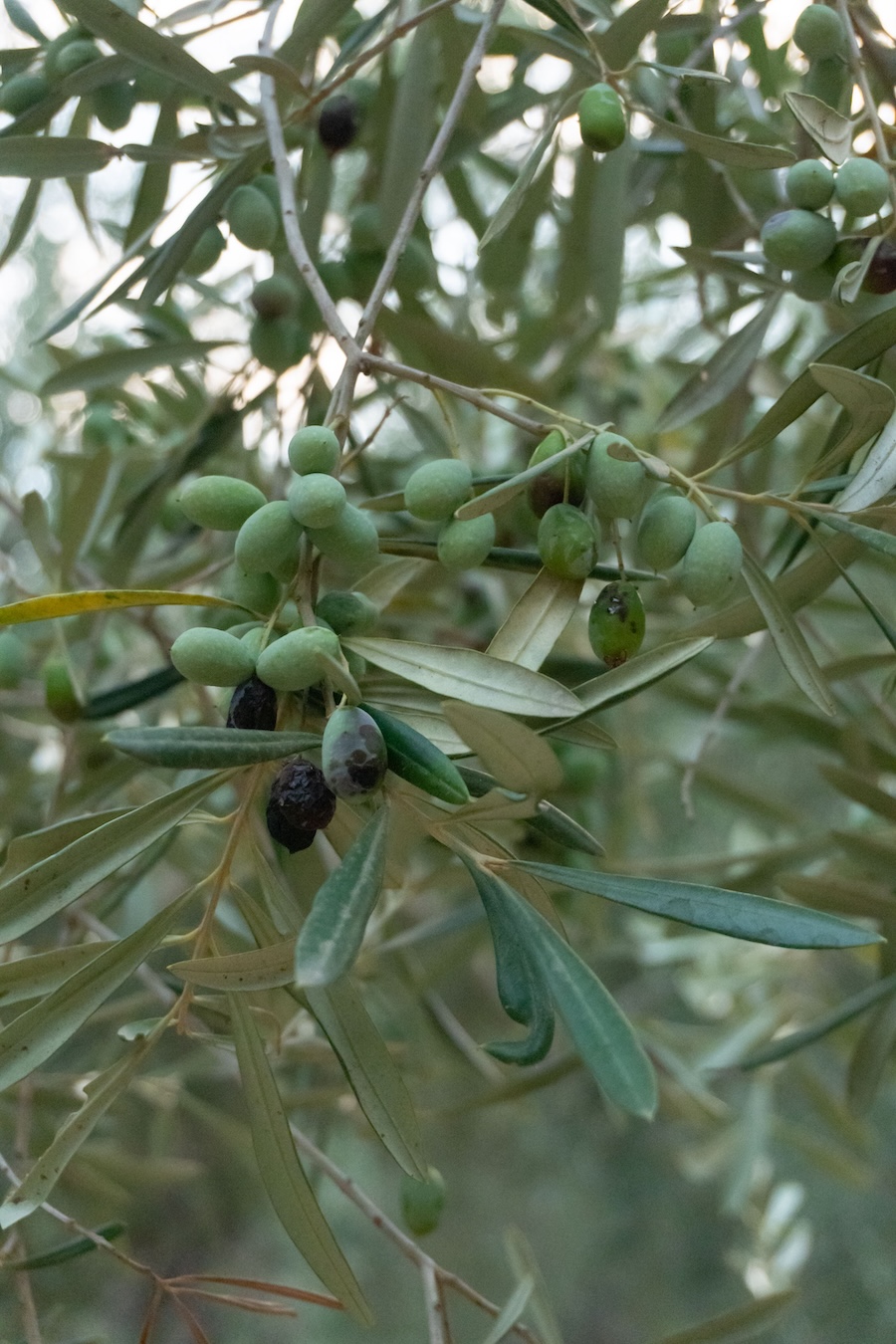
Long before Sipan became known for its Guinness World Record, olive trees shaped the island life. For generations, they represented far more than a source of olive oil.
Alongside vineyards and wine, they were a measure of prosperity, carefully passed from one generation to the next. Nikola smiles as he recalls one story he heard growing up. “In those days, the young man who owned the most olive trees was often considered the most desirable husband,” he says.
“Olives were a sign of wealth, so people kept planting more and more.” Whether fact or folklore, the story offers intro how deeply the olive tree has been rooted in the island’s identity.
Today, however, it is a story heard less often. “Only the older generations still tell it,” Nikola says. “And little by little, those stories are disappearing with them.”
The Sipan Few People Expect
When we asked Nikola what surprises visitors most, he never mentioned the Guinness record. Instead, he talked about the island itself. “Most people think Sipan is just a small island near Dubrovnik,” he says. “Then they discover the large field hidden between the hills.” Invisible from both the mainland and the sea, this fertile valley often becomes one of the island’s greatest surprises.
Natural freshwater springs—rare on Adriatic islands—have nourished olive groves, vineyards and carob trees here for centuries, allowing agriculture to flourish where many visitors least expect it. Nikola points out that Sipan is the largest of the Elafiti Islands and the only inhabited island with two villages connected by road.
Yet, when visitors leave, it is rarely geography they remember. “They remember the peace,” he says. “Even in the middle of summer, Sipan never feels crowded. Many people return simply because of that.”


Echoes of Dubrovnik’s Summer Residences
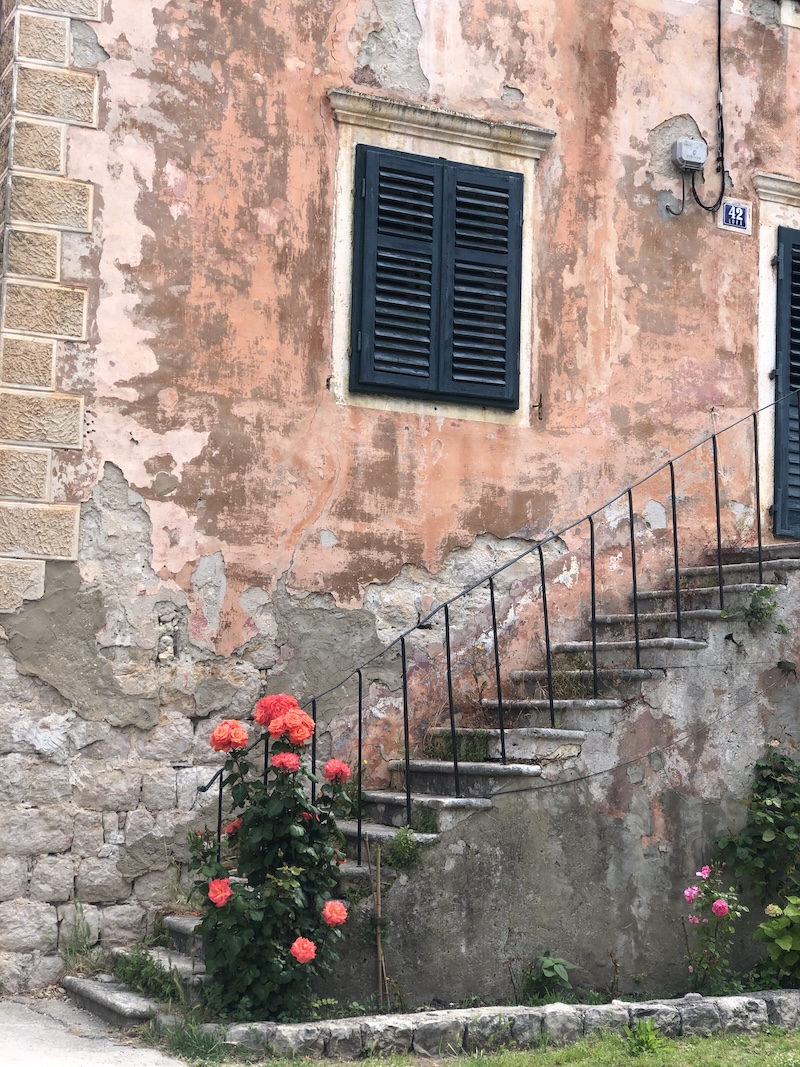
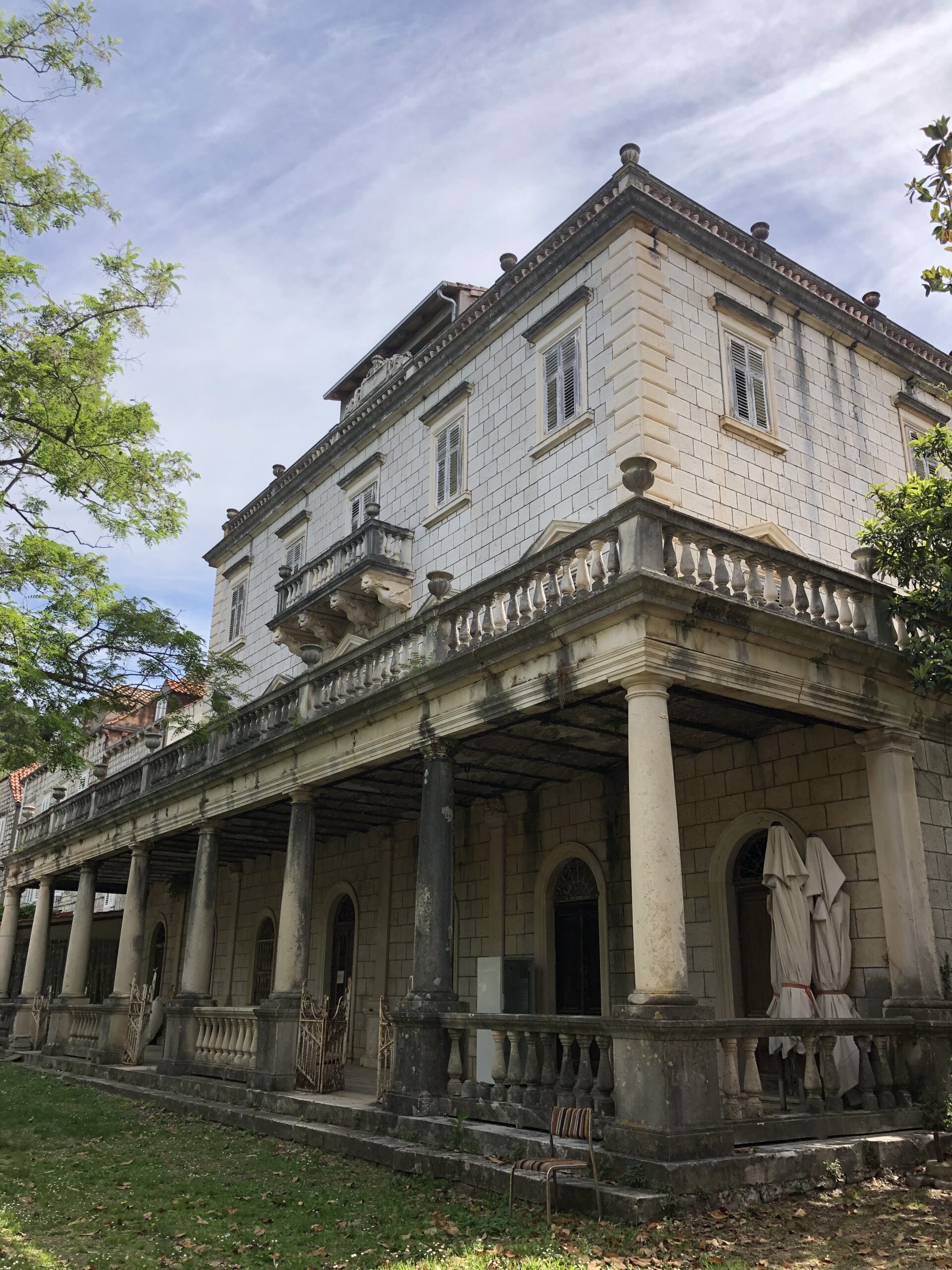
Long before today’s visitors discovered Sipan, Dubrovnik’s noble families had already recognised its quiet beauty. Across the island, their summer residences still stand among the olive groves and fertile fields, reminders of a time when life moved between the city and the countryside with the changing seasons.
These were never simply retreats. They were homes connected to the land, where agriculture and daily life existed side by side. One of Nikola’s favourite details lies inside what remains of the Bishop’s Summer Residence. Although much of the building now rests in ruins, a faded fresco still survives, believed to have been painted by one of Michelangelo’s apprentices.
It is the kind of detail that is easy to overlook unless someone who knows the island points it out. Like so many places across Sipan, these summer residences hold stories that cannot be told in a single conversation. We’ll return to them soon.
More Than a Record
After our conversation with Nikola, the Guinness World Record somehow felt less important. What stayed with us instead were the stories.
Olive trees planted generations ago. A fertile valley hidden behind the hills. Summer residences that quietly tell the story of Dubrovnik’s past.
These are the things that rarely appear on a map or in a guidebook. They are shared in conversation, remembered through family stories and carried by the people who continue to call Sipan home.
Perhaps that is the real reason to visit. Not simply to see the island with the most olive trees, but to discover the stories growing among them. If Sipan has inspired your next journey, Journey2Croatia can help you discover the island and the many hidden corners of Croatia waiting beyond the usual routes.